

Amazon Prime Day 2026 is officially here, and the digital aisles are flooded with deep discounts that promise to maximize your purchasing power. As consumers rush to capitalize on the four-day event, a complex narrative is unfolding behind the scenes. While retail giants leverage these days to clear inventory, the broader financial market is experiencing significant volatility, with tech stocks facing downward pressure amid concerns over AI-driven valuations. For the savvy shopper, this creates a unique friction: is the frantic race for a deal truly putting money back in your pocket, or are we simply being funneled into a cycle of impulse-driven consumption?
This year, the distinction between a ‘deal’ and true ‘value’ has never been more critical. As household inflation remains a persistent challenge, the most effective shopping strategy is to pivot away from fleeting tech gadgets toward investments that offer genuine utility and longevity. By looking beyond the marketing-inflated price tags, we can reclaim our budgets and focus on building high-quality home environments that provide lasting worth, rather than temporary satisfaction.
Prime Day 2026: The Intersection of Retail Spending and Tech Market Volatility
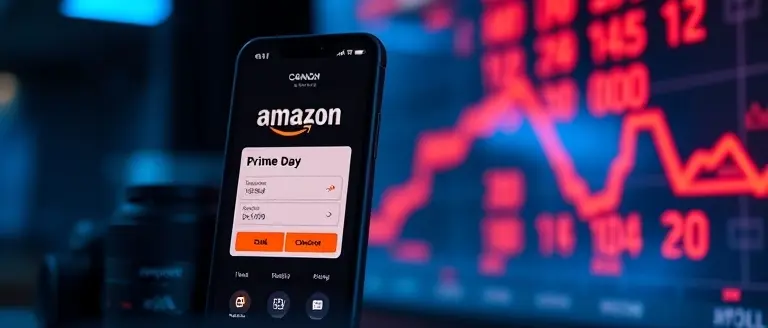
The current landscape of amazon.com serves as a fascinating economic case study for mid-2026. While the four-day Amazon Prime Day 2026 event is designed to maximize transactional volume through aggressive discounts on proprietary hardware like Fire TVs and Kindles, it unfolds against a backdrop of significant tech stock volatility. This creates a unique paradox: as retail consumers rush to capitalize on price cuts of up to 65%, institutional investors remain wary of the broader tech sector rout that has dampened valuations across the AI-driven landscape.
Decoding the Consumer-Investor Divide
The performance of AMZN stock during this window is no longer just a measure of retail efficiency; it is a critical bellwether for the health of the US consumer. Market analysts are closely monitoring these metrics for several key indicators:
- Discretionary Spending Resilience: High volume during Prime Day suggests that American households continue to prioritize lifestyle upgrades despite inflationary pressures.
- Inventory Clearing Efficacy: Successful sales cycles indicate that Amazon is effectively managing supply chain headwinds and inventory bloat, which are currently focal points for nervous shareholders.
- AI Integration Impact: Investors are scrutinizing whether Amazon’s reliance on AI-powered deal curation and personalized marketing is driving genuine conversion or merely masking sluggish demand.
While casual shoppers focus on the best deals under $100, seasoned observers view this event as a litmus test for market stability. If Prime Day volume softens, it may reinforce concerns that the recent tech stock decline is bleeding into the real economy. Conversely, strong performance could provide the necessary catalyst for a stabilization in tech-heavy portfolios, signaling that consumer demand remains the primary defensive wall against systemic market volatility. For now, the intersection of retail enthusiasm and investor caution remains the defining narrative of the 2026 shopping season.
Deals vs. Value: How to Identify Genuine Savings During the Prime Day Surge

As Amazon Prime Day 2026 reaches its peak, the digital storefront of amazon.com is flooded with percentages off and “limited-time” countdown timers. However, savvy shoppers must look past the surface-level marketing to distinguish genuine bargains from artificial price inflation. Retailers frequently utilize the “anchoring effect,” a psychological tactic where an inflated “list price” is displayed next to a sale price to make the discount appear deeper than it truly is. To avoid falling for these inflated metrics, consumers should prioritize data-driven verification over reactive spending.
Utilizing Price-Tracking Tools for Real-Time Analysis
The most effective way to navigate the 2026 sales event is to leverage third-party price history trackers. These tools allow you to see if a product’s current “sale price” was actually lower just a few weeks prior to Prime Day. By observing the price trajectory, you can determine if the item is at its lowest historical point or if the discount is merely a return to a standard baseline.
- Audit the History: Always check for price spikes occurring 30 days before the sale, which retailers often use to artificially increase the “discount” percentage.
- Evaluate Total Cost of Ownership: Look beyond the initial discount; consider the long-term utility of the item, especially for electronics like Kindles or Fire TVs, which often see the deepest cuts.
- Set Alert Thresholds: Rather than buying impulsively, wait for price-matching alerts that confirm a genuine dip rather than a seasonal fluctuation.
By adopting a disciplined approach to amazon.com shopping, you protect your household budget from the inflation of marketing-driven “savings.” Understanding that a 65% discount on an inflated MSRP is not equivalent to a 20% discount on a steady-market price is the key to identifying true value during this high-stakes retail window. In an economic climate characterized by tech-sector instability, moving from emotional purchasing to analytical, value-based decision-making is the ultimate strategy for the modern US consumer.
High-Utility Shopping: Best Prime Day 2026 Deals Under $100
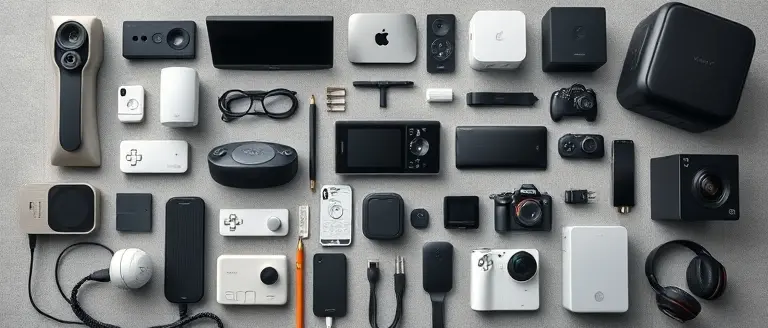
Navigating Amazon Prime Day 2026 requires a disciplined approach, especially as household budgets face pressure from ongoing economic volatility. Instead of falling for transient “doorbuster” deals on disposable tech, savvy consumers should prioritize items that offer high utility and long-term durability. During this sales window, which runs through June 26, the most effective strategy is to target products that solve recurring problems or improve home productivity. By focusing on essentials priced under $100, you can capture genuine value without succumbing to the impulse-buy cycle that often defines high-traffic retail events.
Curated Essentials for Maximum Value
When analyzing the current marketplace on amazon.com, the best opportunities lie in proprietary devices and established home-tech ecosystems that are currently seeing significant price corrections. Evidence suggests that internal hardware—specifically updated streaming devices and smart home hubs—provides the highest ROI for your capital.
- Streaming Hardware: Look for the latest Fire TV iterations that support 4K resolution; these units are frequently discounted to near-wholesale pricing during Prime Day, providing a multi-year entertainment solution for a fraction of the standard retail cost.
- Smart Home Security: Entry-level smart cameras and video doorbells remain the gold standard for budget-conscious utility. These devices provide immediate security improvements and are currently seeing some of the steepest seasonal discounts.
- Charging and Connectivity: GaN chargers and high-speed storage drives under $100 are rarely “filler” items. Investing in high-quality power delivery ensures your existing mobile devices last longer, effectively mitigating the need for more expensive hardware replacements down the line.
Ultimately, the goal is to leverage these discounts to build a more resilient home environment. While Wall Street watches AMZN stock performance as a bellwether for consumer health, your focus should remain on utility-driven acquisitions that serve your household’s long-term operational needs rather than short-term entertainment novelty.
The AMZN Investment Thesis: Is the Current Dip a Buying Opportunity?

As Amazon Prime Day 2026 dominates the retail landscape, investors are closely monitoring amazon.com not just for consumer spending metrics, but as a critical bellwether for the broader tech sector. While the 4-day sales event is expected to drive record-breaking transactional volume, the current downward pressure on AMZN stock reflects a wider, sector-wide tech rout triggered by anxieties regarding unsustainable AI-driven market valuations. For long-term investors, the central question is whether this volatility presents a genuine buying opportunity or if the anticipated revenue from Prime Day is already “priced in” to the current valuation, leaving the stock vulnerable to further macroeconomic headwinds.
Analyzing the Prime Day Bellwether
The correlation between Prime Day success and financial performance is nuanced. While deep discounts—often reaching 65% on proprietary devices—stimulate immediate cash flow, they also act as a litmus test for US household discretionary spending. Analysts suggest that if Prime Day metrics underperform despite aggressive discounting, it could signal a sharper-than-anticipated cooling in consumer demand, potentially fueling further bearish sentiment for tech stocks.
Factors to Consider Before Buying the Dip:
- Revenue vs. Profitability: Prime Day generates massive top-line revenue, but high logistics costs and thin margins on discounted hardware can pressure quarterly earnings reports.
- AI Sector Sensitivity: Amazon’s stock is currently tethered to broader AI-sector volatility; even stellar retail results may be overshadowed by external sector-wide corrections.
- Inflationary Buffers: Consumer participation in Prime Day 2026 highlights a shift in household budgeting, where shoppers prioritize high-utility essentials over luxury, which may impact Amazon’s diverse category performance.
Evidence suggests that investors should differentiate between short-term retail surges and the underlying structural stability of the company. While the Prime Day window remains a significant economic indicator, the “buy the dip” narrative relies heavily on the belief that the current tech-sector rout is a temporary correction rather than a fundamental recalibration of AI-linked company valuations. Investors are advised to look beyond the immediate sales data and monitor whether the company’s cloud computing and logistics infrastructure can maintain growth despite the broader market instability.
Invest in Craftsmanship Over Consumerism
As the Prime Day 2026 frenzy subsides, the real test of your financial health won’t be how much you saved on mass-produced tech, but how much you invested in long-term value. While the market volatility surrounding Amazon’s stock and the broader tech sector hints at instability, your home budget should be built on foundations that don’t fluctuate with Wall Street’s whims. Moving from a passive consumer to an active creator is the ultimate hedge against inflation and the cycle of buying, breaking, and replacing.
Instead of relying on mass-manufactured furniture that often falls short of your functional needs, you can now take control of your environment. By choosing to build your own custom pieces, you secure superior quality and durability that retail items simply cannot match. This is more than a hobby; it is an intelligent budgeting strategy that provides tangible, long-term ROI while allowing you to escape the noise of impulse-driven sales.
Our professional plan library offers 16,000 foolproof blueprints, eliminating the frustration of complex projects and ensuring every piece you create is a success. Stop settling for less and start crafting a home that reflects your standards. Empower your living space today with tools designed to outlast any seasonal retail event.
 Master your home space and save significantly by building your own custom furniture with our curated professional plan library.Transform My Home Today!