
As the 2026 FIFA World Cup reaches a fever pitch, all eyes are locked on the Portugal dugout. Head coach Roberto Martinez finds himself at the epicenter of a polarizing tactical storm, forced to navigate the legacy of a global icon against the harsh demands of modern international football. The burning question on every fan’s lips—and the subject of countless heated debates—is not just about Cristiano Ronaldo’s age of 41, but whether his continued presence as a starter limits the collective fluidity of a squad that appears capable of more dynamic movement.
While the media remains obsessed with the superficial narrative of ronaldo age, a deeper analysis reveals a complex tactical trade-off. Is Martinez prioritizing individual brilliance at the expense of systemic pressing intensity? By examining the heat maps and passing lanes from Portugal’s opening matches, we move beyond the binary ‘start versus bench’ debate to uncover the structural reality of a team attempting to bridge the gap between historical reliance and the future of tactical evolution.
The Martinez Dilemma: Navigating Portugal’s World Cup 2026 Crisis

The 2026 FIFA World Cup has placed Portugal head coach Roberto Martinez at the center of a high-stakes tactical storm. Following a lackluster performance in the tournament opener, the scrutiny surrounding his team selection has reached a fever pitch. At the heart of this discourse is the ongoing debate regarding Cristiano Ronaldo, whose age (41) has become a focal point for critics questioning Portugal’s offensive dynamism. While supporters point to his unrivaled experience, analysts are increasingly focused on how his presence influences the team’s overall press intensity and spatial efficiency on the pitch.
Assessing the Tactical Impact of the Veteran Core
The “Martinez Dilemma” is not merely a matter of sentimentality; it is a profound technical challenge regarding squad balance. Martinez faces immense pressure to integrate younger, more agile options who can facilitate a high-pressing system, yet he remains visibly loyal to his veteran superstar. Data from the opening match suggests a disconnect between the team’s build-up play and the final third, leading to significant questions about whether the current structure is optimized for the modern game.
Key factors contributing to the pressure on Martinez include:
- Pressing Intensity: Metrics indicate that Portugal’s defensive engagement in the final third dropped significantly compared to previous tournament cycles, sparking concerns about the team’s ability to recover possession quickly.
- Squad Depth: The emergence of younger, high-energy forwards has created a natural tension, with fans and pundits calling for a shift toward a more fluid, high-velocity attacking identity.
- Managing Expectations: As the media continues to highlight Ronaldo’s age, the burden falls on Martinez to balance locker-room morale with the tactical necessity of an evolving lineup.
Ultimately, Martinez’s ability to navigate this crisis depends on his willingness to adapt his tactical blueprint. Whether he continues to anchor his strategy around a 41-year-old focal point or pivots toward a faster, more egalitarian offensive structure will likely define Portugal’s trajectory in the remainder of the 2026 World Cup. The margin for error is razor-thin, and every decision made in the upcoming fixtures will be scrutinized under the lens of long-term tactical viability.
Data-Driven Analysis: Tactical Impact of the Veteran Core

The tactical landscape under Roberto Martinez during the 2026 FIFA World Cup has shifted the focus from mere sentiment to rigorous analytical scrutiny. In the opening match against Uzbekistan, the performance data provided a stark look at the structural trade-offs of anchoring the attack around a 41-year-old Cristiano Ronaldo. While the legendary striker remains clinical in the final third, the objective metrics highlight significant challenges in the team’s transition phases. Heat maps from the fixture reveal a noticeable isolation between the midfield pivot and the forward line, as the ronaldo age factor limits the high-intensity pressing sequences that Martinez’s system typically demands to reclaim possession quickly.
Key Performance Metrics and Structural Efficiency
An objective review of the squad’s output indicates that while passing accuracy remains high in the build-up phase, the defensive recovery stats tell a different story. When evaluating the team’s cohesion, consider these data-driven observations:
- Pressing Intensity: The team’s PPDA (Passes Per Defensive Action) spiked significantly when compared to qualifying matches, suggesting that the current forward-line structure fails to disrupt opposition build-ups effectively.
- Off-the-Ball Movement: Spatial analysis shows limited vertical runs, placing an increased burden on the creative midfielders to provide service into congested zones rather than stretching the Uzbekistan defensive block.
- Defensive Recovery: The lack of immediate pressure from the front allows opponents to bypass the first line of defense with relative ease, forcing the midfield to track back deeper than Martinez’s preferred tactical blueprint.
Moving beyond the superficial binary of whether to start the veteran, the data suggests that Roberto Martinez must weigh individual goal-scoring threat against the collective structural efficiency of the side. If Portugal intends to progress deep into the tournament, the coaching staff will need to reconcile these recovery deficits, potentially by adjusting the defensive line depth or refining the mid-block to compensate for the reduction in top-end pace.
Squad Evolution: Martinez’s Tactical Shifts from 2024 to 2026
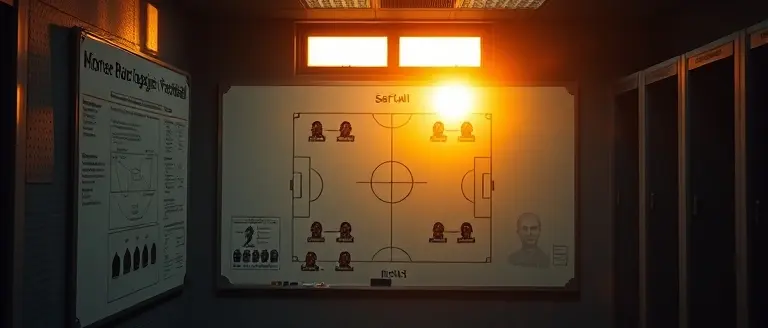
Under the leadership of Roberto Martinez, the tactical identity of the Portugal national team has undergone a distinct transformation between the 2024 cycle and the current 2026 FIFA World Cup. In 2024, Martinez’s system relied heavily on a fluid, high-pressing forward line that prioritized positional rotation. However, as the 2026 tournament progresses, the current structure reveals a more rigid reliance on a fixed focal point. The ongoing discourse regarding Cristiano Ronaldo’s age—now 41—has become the central axis of this structural shift. While data from recent qualifiers suggested an evolution toward a system that could accommodate faster transition play, the current World Cup setup appears to favor the veteran superstar’s movement patterns over a total-football approach.
Tactical Constraints and Transition Impacts
The decision to maintain a stationary forward line has directly impacted Portugal’s ability to execute quick vertical transitions. Evidence suggests that when the team utilizes a target-man approach centered on Ronaldo, the average press intensity from the front line decreases, allowing opponents to settle into deeper defensive blocks. In comparison to the 2024 qualifiers, where tactical flexibility allowed for high-rotation, the current iteration faces specific challenges:
- Diminished Transition Speed: The team struggles to capitalize on rapid turnover opportunities due to a static attacking structure.
- Reduced Defensive Coverage: Midfielders are forced to compensate for the lack of intense defensive pressure from the primary striker.
- Predictability: Opposing scouts have noted that Portugal’s playmaking pathways have become increasingly linear, focusing on crosses rather than quick, intricate passes through the half-spaces.
By prioritizing a fixed hierarchy in the attack, Roberto Martinez faces the challenge of reconciling his philosophy of fluidity with the legendary status of his captain. Whether this reliance on a veteran core is a conscious tactical gambit or a refusal to deviate from long-term personnel plans remains the defining question of Portugal’s 2026 campaign.
The Case for Tactical Evolution: Balancing Experience and Mobility
As the 2026 FIFA World Cup progresses, the tactical framework employed by Roberto Martinez faces intense scrutiny. The primary challenge involves integrating the legendary presence of the squad’s veteran talisman while maintaining the structural integrity required to counter high-intensity, high-pressing opponents. At 41 years old, Cristiano Ronaldo’s age remains a focal point of public discourse; however, from a purely analytical perspective, the issue is less about individual stature and more about the team’s defensive transition and collective mobility. Data from the opening matches indicates that Portugal struggles significantly when opponents utilize rapid verticality, often exposing gaps in the midfield that appear when the forward line is unable to contribute to a sustained press.
Addressing Defensive Transitions and Midfield Gaps
To advance deep into the knockout stages, Martinez must weigh the benefits of a static focal point against the necessity of a fluid, mobile attacking unit. Modern international football increasingly demands that all eleven players participate in defensive organization. When the attacking structure remains rigid, the defensive load on the midfield increases exponentially, often leading to fatigue in the final twenty minutes of play. Tactical evidence suggests that a transition toward a more dynamic, rotating attacking trio could yield several advantages:
- Improved Pressing Intensity: Younger, more mobile forwards can sustain higher pressure on opposing backlines, forcing turnovers in the final third.
- Enhanced Defensive Stability: Greater collective movement reduces the isolation of the midfield, preventing opponents from exploiting transitions.
- Tactical Unpredictability: Rotating attacking roles forces opponents to abandon man-marking strategies, creating space for Portugal’s creative playmakers.
While the emotional attachment to legacy stars is understandable, the reality of tournament football demands a ruthless assessment of team balance. Whether Roberto Martinez opts to adjust his starting lineup or evolve his tactical instructions, the success of Portugal in this World Cup hinges on finding a harmony between the experience of Cristiano Ronaldo and the high-speed requirements of the contemporary game. The coming matches will prove whether this tactical evolution is a necessary adjustment or a bridge too far for a manager famously committed to his veteran core.
Mastering Performance Beyond the Chronological Barrier
The tactical dilemma facing Roberto Martinez is ultimately a biological one. In the modern game, where high-intensity pressing and rapid transitions define success, the challenge for an athlete at 41 is not just skill—it is maintaining the metabolic efficiency required to sustain that level of output. While the tactical positioning of a veteran is a cerebral asset, the physical ability to execute that plan relies entirely on how the body manages energy and metabolic demands.
This is where the principles of high-level performance converge with the science of metabolic optimization. Just as we analyze how a team functions under the strain of a tournament, we must recognize that your own physiology is the ultimate playing field. Overcoming the ‘thermogenic resistance’ that naturally accumulates with age is the key to maintaining a competitive edge in your daily life, much like an elite athlete fighting to stay relevant on the world stage.
CitrusBurn provides the science-backed support needed to counteract these physiological hurdles, allowing you to sustain your energy output and peak performance regardless of the calendar. By bridging the gap between historical physical potential and modern metabolic needs, CitrusBurn is the catalyst that helps you transcend traditional limitations. It is time to treat your own health with the same analytical rigor that defines the pinnacle of sports.
 Discover how to optimize your own physical performance and metabolic health at any age by learning more about CitrusBurn.Transform My Energy Today!