
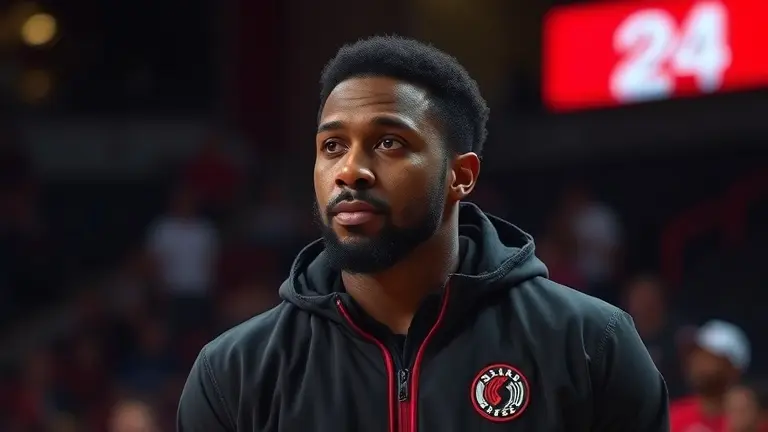
On June 23, 2026, the Portland Trail Blazers officially turned the page on a turbulent era by naming Micah Nori their new head coach. After 17 years as one of the NBA’s most respected assistants—most notably under the Minnesota Timberwolves’ defensive-minded system—Nori finally secures the lead chair. Filling the vacancy left in the wake of the Chauncey Billups departure and a transitional season under Tiago Splitter, Nori arrives not just as a fresh face, but as a strategic enigma tasked with stabilizing a franchise at a crossroads.
The move is as intriguing as it is high-stakes, headlined by a unique one-year contract structure that suggests both an audition for Nori and a calculated insurance policy for Portland’s front office. As fans and analysts dissect what this means for the roster’s development, the core question remains: Is Nori the long-term architect Portland needs, or is this merely a placeholder in an ongoing rebuild? Understanding the nuances of this hire requires more than casual observation—it demands a deep dive into the tactical philosophy he brings to the Pacific Northwest.
The Blazers’ New Direction: Micah Nori Steps In
On June 23, 2026, the Portland Trail Blazers officially ended their search for a new head coach by hiring Micah Nori, a move that secured the final vacant head-coaching position in the NBA. This appointment serves as a pivotal inflection point for a franchise that has endured significant instability over the past several seasons. Following the abrupt departure of Chauncey Billups and a transition year led by interim head coach Tiago Splitter, the organization was under immense pressure to identify a leader capable of stabilizing a roster in flux. By landing Nori, who arrives in Portland after an extensive 17-year tenure as an assistant coach, the Blazers have signaled a shift toward a veteran-led, tactically refined approach to team management.
Navigating the Leadership Vacuum
The transition from the Billups era into the current framework has been marked by a search for identity. Nori, long regarded as one of the league’s most respected tacticians, spent his most recent years as a lead assistant for the Minnesota Timberwolves. His pedigree suggests he is well-equipped to handle the immediate challenges facing the Trail Blazers. Key aspects of this transition include:
- Filling the Void: With the final NBA coaching vacancy filled, the Blazers now have a clear direction for their upcoming training camp and roster development.
- A Culture of Accountability: Nori is known for his defensive acumen and player development, traits that were prioritized by the front office to bring discipline back to the locker room.
- Strategic Continuity: His background in high-level system implementation is expected to provide the cohesion that was arguably absent during the previous year of organizational uncertainty.
This hiring is more than a simple personnel change; it is a declaration of intent from the Portland front office. By securing a coach with Nori’s deep reservoir of league experience, the Blazers are aiming to bridge the gap between their rebuilding phase and sustained competitiveness. While the league waits to see how this transition unfolds, the immediate impact is a sense of professional clarity that has been missing in Portland for the better part of two years.
17 Years in the Making: Analyzing Nori’s Coaching Pedigree
For 17 seasons, Micah Nori served as one of the NBA’s most respected, albeit unsung, tactical minds. His path to the Portland Trail Blazers head-coaching position was not a meteoric rise but a methodical, grueling marathon. Before accepting the challenge in Portland, Nori spent nearly two decades navigating the league’s inner workings, building a reputation as a cerebral communicator who bridges the gap between front-office analytics and locker-room culture. His tenure as the lead assistant for the Minnesota Timberwolves solidified his standing as a premier defensive strategist and a master at player development, traits that the Blazers desperately need during this transition period.
Nori’s coaching pedigree is defined by his adaptability and his ability to resonate with high-level talent. Throughout his career, he has been consistently identified as a “players’ coach”—someone who prioritizes building trust before implementing complex systems. This interpersonal strength is likely why Portland viewed him as the ideal candidate to stabilize a roster coming off a year of instability. By absorbing the pressures of the modern NBA across multiple franchises, Nori has curated a leadership style that emphasizes:
- Transparent Communication: A commitment to keeping players aligned with team objectives, regardless of their position on the depth chart.
- Analytical Integration: A proven capacity to translate complex data into actionable floor adjustments, a hallmark of his successful stint in Minnesota.
- Resilience Under Pressure: Decades of navigating the high-stakes environment of assistant coaching have prepared him for the intense scrutiny of a head-coaching debut.
The significance of this hire cannot be overstated. After the departure of Chauncey Billups and an uncertain interim season under Tiago Splitter, the Trail Blazers are looking for more than just a bench boss; they are looking for an architect. Nori’s long-awaited opportunity is the culmination of immense preparation, and his arrival marks the beginning of a critical chapter in Portland’s effort to redefine its competitive identity in a crowded Western Conference.
Tactical Blueprint: Lessons from Minnesota
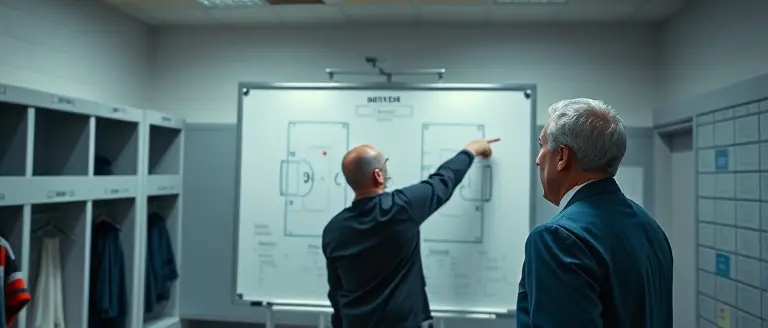
After 17 years as a dedicated assistant, Micah Nori arrives in Portland with a clear tactical identity forged during his highly successful tenure with the Minnesota Timberwolves. Nori was instrumental in building a defensive juggernaut in Minnesota, characterized by high-intensity ball pressure and a sophisticated “drop” coverage scheme that utilized elite rim protection to neutralize opposing drives. By prioritizing disciplined defensive rotations, Nori is expected to instill a similar culture of accountability for the Portland Trail Blazers, a team that has struggled with consistency on the defensive end during the post-Billups era.
Defensive Philosophy and Adaptability
Nori’s influence in Minneapolis centered on versatility and the ability to adjust to personnel. He prefers a switch-heavy defensive framework that limits high-value three-point attempts while funneling slashers into traffic. For the Blazers, this transition will require:
- Enhanced Perimeter Containment: Implementing Nori’s signature “no-middle” defensive rules to dictate where offensive threats move.
- Rim Protection Synergy: Aligning the Blazers’ frontcourt rotations to protect the paint without sacrificing rebounding positioning.
- Accountability Metrics: Utilizing advanced defensive tracking to force players into stricter adherence to team defensive shells.
Offensive Schemes and Sideline Adjustments
Offensively, Nori brings a balanced approach that moves away from stagnant isolation plays, favoring a “flow” offense that emphasizes ball movement and spacing. During his time with the Timberwolves, he demonstrated a knack for effective sideline out-of-bounds (SLOB) plays and late-game execution that often caught opponents off guard.
By prioritizing high-IQ decision-making, Nori aims to optimize the Blazers’ current roster by ensuring that spacing is prioritized, creating lanes for slashers and open looks for shooters. His ability to synthesize complex analytical data into actionable sideline adjustments makes him a unique hire for a young Portland squad looking for structure. Expect a more methodical pace as Nori emphasizes efficiency over volume, aiming to turn the Blazers into a disciplined unit that thrives under pressure.
Stability vs. Audition: Assessing the One-Year Contract

The decision to sign Micah Nori to a one-year contract with team options represents one of the most intriguing front-office strategies in recent NBA history. By opting for this “prove-it” structure, the Portland Trail Blazers are effectively balancing the desperate need for immediate coaching stability following the post-Chauncey Billups transition with a cautious approach to long-term commitments. This deal is rarely seen for a first-time head coach, suggesting that the organization is hedging its bets while granting Nori a clear, albeit narrow, window to implement his vision.
A High-Stakes Balancing Act
For the franchise, this structure acts as a tactical safeguard. It provides the team with a professional floor to build upon after a period of instability under Tiago Splitter, without locking the Blazers into a long-term financial burden if the chemistry fails to materialize. However, this creates a unique pressure dynamic for Nori. While he finally secures his first head-coaching role after 17 years as an assistant, he does so under the microscope of an immediate audition.
The implications of this contract structure include:
- The “Audition” Pressure: Nori must immediately demonstrate his tactical value and locker-room leadership to trigger those future team options, leaving little room for a “learning curve” season.
- Organizational Flexibility: The front office retains the leverage to pivot should the team’s performance fail to meet expectations or if a different strategic direction becomes necessary by 2027.
- Locker Room Perception: A short-term deal can sometimes signal a lack of long-term commitment, putting the onus on Nori to quickly establish authority and trust among the current roster to ensure buy-in from his players.
Ultimately, whether this deal serves as a springboard for a lasting tenure or a stop-gap measure remains to be seen. The success of this hire depends on Nori’s ability to prove that his years of preparation in Minnesota were more than enough to handle the intensity of the head seat. If he can turn the Blazers into a competitive force quickly, this “one-year” gamble will be viewed as a brilliant, low-risk, high-reward maneuver by Portland’s leadership.
Decoding the Future of Portland Basketball
The hiring of Micah Nori signals a pivot toward tactical sophistication and defensive accountability for the Portland Trail Blazers. By betting on an assistant with nearly two decades of pedigree, the front office is signaling that the era of uncertainty must end, even if the one-year contract leaves the door open for rapid changes. Whether Nori can effectively translate Minnesota’s high-level defensive principles into a winning culture in Portland will be the definitive storyline of the upcoming season.
As you dive deeper into the complex X’s and O’s of Nori’s offensive schemes and the high-pressure dynamics of this ‘stability vs. audition’ narrative, the ability to process dense analytical data becomes your greatest asset. Just as Micah Nori needs a sharp, clear mind to manage the nuances of his roster, fans looking to truly grasp the complexities of elite NBA play-calling require a heightened level of cognitive focus and mental agility.
This is where The Brain Song becomes an essential tool for the serious basketball enthusiast. Designed to optimize cognitive clarity, it allows you to process intricate sports analytics and tactical breakdowns with newfound precision, ensuring you never miss the subtle shifts in momentum or the genius behind a specific rotation. If you are ready to stop watching the game passively and start analyzing it with the clarity of a front-office executive, this is the intellectual bridge you have been waiting for.
 Unlock your peak analytical potential and sharpen your focus on the nuances of the game with The Brain Song.Sharpen My Analytical Focus Now!