
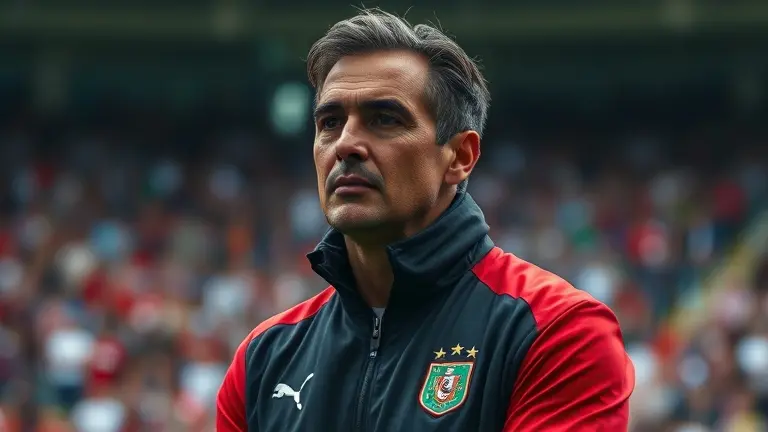
Fabio Cannavaro has long been defined by his historic 2006 World Cup triumph, but in 2026, he is carving out an entirely different legacy. Standing on the touchline as the head coach of Uzbekistan, Cannavaro is currently navigating the intense pressure of the FIFA World Cup, proving that his transition from a world-class defender to a cerebral tactician is more than just a career pivot—it is a sophisticated evolution. With the world’s eyes fixed on his critical Group K showdown against Cristiano Ronaldo’s Portugal, the footballing community is finally forced to reckon with his credentials as a high-level manager.
This is no longer just about the Italian grit he famously displayed on the field; it is about the cold, analytical mindset required to orchestrate a national team on the grandest stage. As Cannavaro faces the daunting challenge of refining his squad’s tactical setup following an early defeat to Colombia, his ability to stay composed and sharpen his team’s mental focus has become the defining narrative of his campaign. Exploring how he manages such high-pressure dynamics offers a rare, unfiltered look into the intellectual rigor of modern elite management.
Fabio Cannavaro: From 2006 World Cup Hero to 2026 Managerial Pioneer
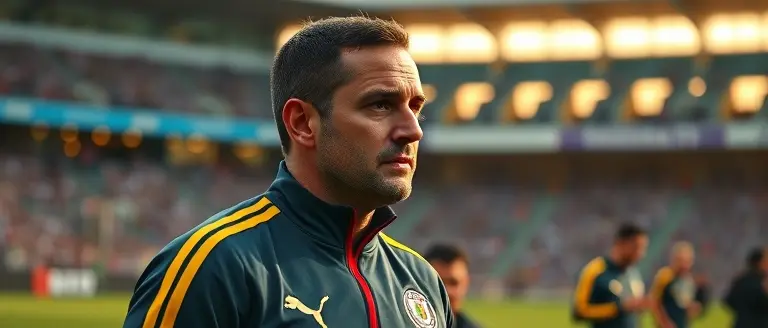
Two decades after lifting the trophy as the legendary captain of the Italian national team, Fabio Cannavaro has returned to the global stage in a drastically different capacity. As the head coach of the Uzbekistan national football team at the 2026 FIFA World Cup, Cannavaro is carving out a unique managerial legacy. He stands as one of only three Italian coaches participating in this year’s tournament—a testament to his commitment to developing football talent outside of the traditional European powerhouses. This transition from a world-class defensive titan to a tactical strategist represents a bold pivot in his career, one that seeks to bridge his iconic 2006 World Cup success with modern international coaching innovation.
Facing the Tactical Crucible of Group K
The stakes for Cannavaro have never been higher, as he navigates the high-pressure environment of Group K. Following a challenging 3-1 opening loss to Colombia, the scrutiny on his tactical setup has intensified. The eyes of the footballing world are currently fixed on his pivotal fixture against Portugal, a match that pits Cannavaro’s defensive discipline against the formidable attacking prowess of Cristiano Ronaldo. This encounter serves as a definitive “sink or swim” moment for his managerial credentials, testing whether his Italian defensive philosophy can effectively neutralize world-class offensive threats.
Key elements defining Cannavaro’s current mission include:
- Tactical Adaptation: Implementing a robust structural framework that balances his defensive expertise with the evolving technical capabilities of the Uzbekistan squad.
- Global Influence: Elevating his reputation as a coach capable of managing diverse international teams, thereby inviting more serious consideration for future high-profile roles within Serie A and beyond.
- Legacy Management: Navigating the immense public expectation that inevitably follows a legendary player turned coach, while simultaneously steering his current side toward an unexpected qualification path.
As the match against Portugal unfolds, the narrative remains centered on whether Cannavaro can translate his past experience as a field general into a coherent, match-winning strategy from the technical area.
Tactical Breakdown: How Cannavaro Challenged the Portugal Star Power
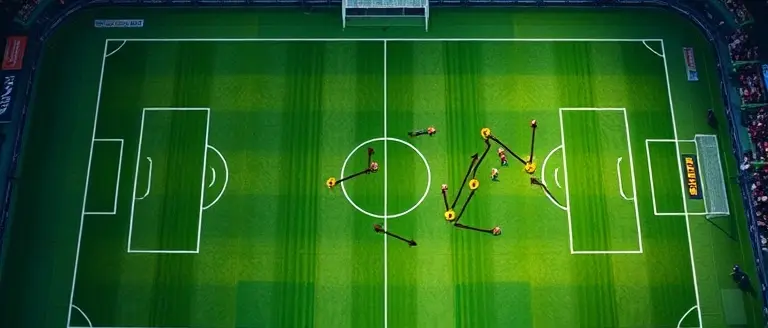
In the high-stakes environment of the 2026 FIFA World Cup, Fabio Cannavaro demonstrated a sophisticated tactical evolution, moving beyond the traditional “catenaccio” roots of his playing days to implement a resilient, transition-based structure for Uzbekistan. Facing a star-studded Portugal side, Cannavaro opted for a disciplined low-to-mid block designed to congest the central channels. By prioritizing structural integrity, he sought to mitigate the verticality of Portugal’s attack, specifically tasking his defensive unit with isolating Cristiano Ronaldo through constant shifting and localized numerical superiority.
Neutralizing Portugal’s Offensive Threat
Cannavaro’s defensive philosophy, while rooted in the legendary organization he spearheaded as a World Cup-winning captain, shows clear signs of modernization. His approach against Portugal focused on:
- Compact Midfield Lines: Reducing the space between the defensive and midfield units to force Portugal into predictable, wide-area crosses.
- Controlled Transitions: Utilizing quick, direct balls to the wings to exploit the space vacated by Portugal’s advanced full-backs, a hallmark of his adaptive counter-attacking strategy.
- Player-Specific Marking: Implementing a hybrid zone-marking system that allowed defenders to drop off Ronaldo, preventing him from utilizing his lethal acceleration behind the defensive line.
The evidence suggests that Cannavaro has evolved from a reactive defender into a proactive strategist. While the 3-1 loss to Colombia initially brought scrutiny to his tactical choices, the adjustments made for the Portugal fixture illustrate a manager capable of learning under pressure. By balancing his inherent Italian defensive principles with the specific technical constraints of his Uzbekistan squad, Cannavaro is proving that he is more than just a legendary name; he is a tactician striving for long-term managerial credibility on the global stage. This match served as a crucible for his coaching philosophy, demonstrating a willingness to abandon rigid formations in favor of fluid, opposition-specific setups.
The Post-Match Narrative: Decoding Cannavaro’s Press Conference
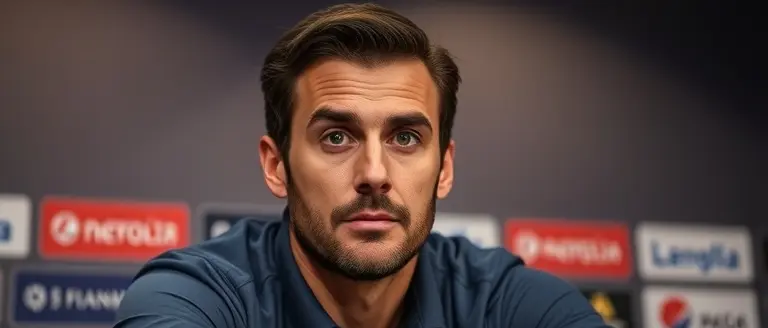
Following the intense tactical battle against Portugal, Fabio Cannavaro took to the podium with the composed demeanor of a veteran leader, framing the result not as a setback, but as a critical pedagogical moment for the Uzbekistan national football team. His post-match rhetoric emphasized structural resilience over individual brilliance, a hallmark of his Italian defensive heritage. By publicly shielding his players from scrutiny after the physically demanding fixture, Cannavaro successfully pivoted the conversation toward long-term development rather than immediate scorelines. He noted that competing against high-caliber opposition like Cristiano Ronaldo’s Portugal provides the necessary “friction” required to forge a cohesive international squad capable of competing at the 2026 FIFA World Cup.
Bridging the Gap: From 2006 Legend to 2026 Tactician
The discourse surrounding Cannavaro’s managerial trajectory has reached a fever pitch, with pundits highlighting several key themes from his recent press appearances:
- Philosophical Alignment: Cannavaro frequently references the “discipline of space,” drawing parallels between his 2006 World Cup-winning defensive unit and his current, more fluid tactical setup in Uzbekistan.
- Managing Morale: Despite the challenges of Group K, his ability to keep squad morale high following the opening loss to Colombia suggests he has evolved into a man-manager of significant caliber.
- The Italian Debate: His articulate defense of his tactical choices has sparked a growing chorus of media voices calling for his return to European football, suggesting that he deserves serious consideration for high-level management roles within Italy.
Social media sentiment remains deeply divided yet undeniably engaged; while traditionalists scrutinize his win-loss record, a growing contingent of tactical analysts argues that his work in Uzbekistan demonstrates a level of innovation that is currently overlooked by top-flight clubs in Europe. By maintaining a balance between his legendary status as a player and his pragmatic, modern approach to coaching, Fabio Cannavaro is successfully rebranding himself as a serious managerial contender on the global stage. His words suggest that whether or not Uzbekistan advances, he is positioning himself for a significant transition back into the high-pressure environment of top-tier football management.
Is Italy Ready for a Cannavaro Coaching Homecoming?

The discourse surrounding Fabio Cannavaro has shifted significantly during the 2026 FIFA World Cup, moving beyond his storied legacy as a 2006 World Cup-winning captain to his genuine tactical acumen as a head coach. As he leads the Uzbekistan national football team on the global stage, media outlets and Italian football pundits are increasingly debating whether he deserves a premier management role within Serie A. While initial results, such as the 3-1 loss to Colombia, highlight the steep learning curve of international management, supporters argue that his ability to organize a squad against high-caliber opponents—like Portugal—demonstrates a sophisticated evolution in his managerial philosophy.
Evaluating Tactical Readiness
Cannavaro’s transition from a legendary world-class defender to a tactical innovator requires a nuanced look at his methodology. His time abroad has provided him with diverse experiences that are often missing from managers who operate exclusively within the traditional Italian football ecosystem. Evidence of his growth includes:
- Adaptability under Pressure: His willingness to adjust defensive structures against elite attackers like Cristiano Ronaldo suggests a coach who prioritizes tactical flexibility over rigid dogma.
- Modern Integration: By blending his foundational “Italian defensive philosophy” with the unique technical capabilities of the Uzbekistan squad, Cannavaro has shown he can maximize resources in high-stakes environments.
- International Exposure: Leading a nation at a World Cup is an experience that prepares managers for the extreme scrutiny of the European leagues.
For Italy to welcome Cannavaro home, the conversation must shift from nostalgia toward his tangible results in high-pressure Group K fixtures. While his coaching credentials still face skepticism in some corners, his performance at the 2026 tournament acts as a vital litmus test. If he continues to demonstrate clear tactical improvements and resilience under international scrutiny, it is likely that top-tier clubs will begin to view him not merely as a former icon, but as a serious contender for elite managerial vacancies.
Mastering the Tactical Mindset
Fabio Cannavaro’s journey from the legendary captain who lifted the 2006 World Cup to a tactical architect at the 2026 tournament is a masterclass in professional evolution. Whether he is countering the relentless pace of Portugal or refining Uzbekistan’s defensive structure, Cannavaro proves that elite success in football is dictated not just by raw talent, but by the intellectual agility required to read the game at breakneck speed. This transition demands a level of mental discipline that separates the good from the truly elite, turning every decision into a high-stakes calculation.
Just as Cannavaro requires razor-sharp focus to outmaneuver tactical giants on the world’s biggest stage, managing the complexities of your own daily life requires an equally optimized mental state. Achieving this level of cognitive clarity isn’t reserved for legends on the pitch; it is a skill that can be cultivated. The Brain Song is designed specifically to mirror this requirement, offering advanced support for mental acuity and sustained focus during high-pressure situations, allowing you to approach your own personal and professional goals with the strategic precision of a championship manager.
By integrating this tool into your routine, you are effectively training your mind to process information faster and maintain peak performance when the stakes are highest. It is the natural next step for anyone looking to emulate the mental clarity and strategic foresight of the game’s greatest minds. Elevate your cognitive performance today and unlock the focus you need to excel in your own arena.
 Elevate your own mental strategy and sharpen your focus—discover the science of The Brain Song today.Transform My Mental Strategy Now!