

On June 22, 2026, a federal judge in Washington, D.C., delivered a definitive ruling that effectively halted the Trump administration’s attempt to restrict the purchase of soda and candy through the Supplemental Nutrition Assistance Program (SNAP). By striking down the USDA’s ability to grant state-level waivers for these nutritional bans, the court has brought a sudden pause to an ambitious initiative that sought to reshape the dietary habits of over 42 million Americans under the banner of the ‘Make America Healthy Again’ (MAHA) policy agenda.
This legal collision between the executive branch’s health-focused directives and the statutory limitations of the USDA has sparked a nationwide debate on the role of government in individual dietary freedom. While proponents argue these restrictions were essential for curbing chronic health issues, the court maintained that the agency exceeded its legal authority, framing the ruling as a victory for bureaucratic oversight. As states grapple with the fallout and the potential impact on food security, the conversation shifts from the courtroom to the kitchen table, where millions of families must now decide how to navigate the complexities of metabolic health in an era of polarized food policy.
Federal Court Blocks SNAP Soda and Candy Restrictions: The June 2026 Ruling

On June 22, 2026, a federal judge in Washington, D.C., issued a definitive ruling that halted the administration’s efforts to implement a snap junk food restriction ruling. The court’s decision specifically targeted the USDA’s approval of state-level waivers that sought to prohibit the use of Supplemental Nutrition Assistance Program (SNAP) benefits for the purchase of soda and candy. This legal intervention effectively dismantled a key pilot initiative that had gained traction in more than 20 states. The administration had framed these restrictions as a cornerstone of the “Make America Healthy Again” (MAHA) policy agenda, aiming to pivot federal food assistance toward improved nutritional outcomes for approximately 42 million participants.
The court’s reasoning centered on a strict interpretation of federal authority regarding the SNAP program. According to the presiding judge, the USDA significantly exceeded its statutory power by granting waivers based on nutritional goals. The ruling clarified that under existing U.S. law, the USDA’s waiver authority is limited to narrow, administrative purposes—such as enhancing program efficiency—rather than reclassifying which food items are eligible for purchase. By attempting to use administrative discretion to overhaul dietary standards, the executive branch bypassed the legislative requirements mandated by Congress.
Implications of the Judicial Decision
The invalidation of these waivers creates significant uncertainty for the states that had already begun implementing or planning for these dietary bans. Key takeaways from this ruling include:
- Scope of Authority: The judiciary has established a clear boundary, signaling that the USDA cannot unilaterally alter the eligibility criteria for food items without explicit congressional approval.
- Pilot Program Stagnation: With over 20 states impacted, the ruling forces an immediate suspension of the restrictions, reverting program rules to their pre-waiver status.
- Policy Tension: This decision highlights the ongoing friction between the executive branch’s aggressive MAHA health initiatives and the rigid legal framework governing federal safety nets.
Ultimately, the ruling serves as a major barrier to the administration’s health-focused agenda, confirming that any future attempts to restrict specific food categories under SNAP will likely require new, clear federal legislation rather than executive administrative action.
Legal Reasoning: Why the USDA Exceeded Its Statutory Authority

The June 22, 2026, ruling by the federal district court in Washington, D.C., centers on a fundamental dispute regarding the scope of executive power within the Supplemental Nutrition Assistance Program (SNAP). While the Trump administration framed the snap junk food restriction ruling as a necessary component of the “Make America Healthy Again” (MAHA) initiative to address dietary health, the judiciary focused strictly on the administrative limits defined by Congress. The court held that the USDA acted beyond its legal jurisdiction by utilizing waiver authorities to fundamentally alter the nutritional eligibility criteria for food purchases.
Statutory Limitations vs. Executive Policy
Under existing federal law, the USDA’s ability to grant waivers to states is reserved for specific administrative purposes. The court’s interpretation emphasizes that these waivers were intended to improve operational efficiency—such as streamlining application processes or improving service delivery—rather than serving as a mechanism to reshape the underlying mission of the program. By attempting to restrict the purchase of soda and candy, the administration effectively bypassed the legislative process required to amend the definition of eligible food items.
Key legal takeaways from the ruling include:
- Misuse of Waiver Authority: The court found no statutory basis for using waivers to impose nutritional behavioral mandates on the 42 million Americans who rely on SNAP.
- Separation of Powers: The judiciary clarified that if the government intends to shift SNAP toward a health-reform tool, it must seek explicit authorization from Congress rather than administrative reinterpretation.
- Invalidation of State Pilots: The ruling immediately halts the over 20 state-level waivers that had been approved, classifying them as ultra vires acts—actions taken without legal authority.
This decision serves as a significant check on the administration’s public health agenda. It establishes a firm legal precedent that the USDA cannot unilaterally pivot SNAP from a food security safety net into a tool for state-led dietary regulation. Unless the administration pursues a legislative path to redefine program benefits, this ruling acts as a permanent barrier against similar nutrition-based restrictions via the waiver process.
Impact on 42 Million Beneficiaries and SNAP Operations
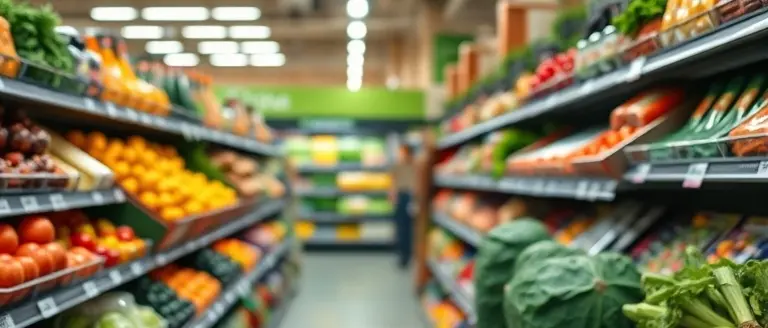
The June 22, 2026, federal court ruling serves as a major turning point for the approximately 42 million Americans who rely on the Supplemental Nutrition Assistance Program (SNAP). By invalidating the USDA’s authority to grant waivers for soda and candy restrictions, the court has effectively halted the implementation of the snap junk food restriction ruling across more than 20 states. For beneficiaries, this decision brings immediate clarity to the grocery shopping experience: the existing federal eligibility standards remain in place, meaning participants retain full autonomy to purchase any SNAP-eligible food items using their Electronic Benefit Transfer (EBT) cards without category-based exclusions.
Immediate Implications for SNAP Participants
The administrative uncertainty caused by the proposed restrictions had created significant anxiety and confusion at the point of sale. Prior to the ruling, many retailers were preparing to update their point-of-sale systems to flag restricted items, which could have led to denials at the register and increased wait times for all customers. With the judicial intervention, the program returns to its standardized operations, ensuring that the following outcomes are prioritized:
- Restoration of Purchasing Autonomy: Beneficiaries are no longer subject to the nutritional restrictions that were being piloted under the “Make America Healthy Again” (MAHA) initiative.
- Operational Stability: Retailers are not required to implement complex software updates or manual shelf-tagging processes to differentiate between restricted and non-restricted foods.
- Uniformity Across States: The “patchwork” of varying state rules is effectively dissolved, ensuring that a SNAP recipient experiences the same eligibility criteria regardless of which state they reside in.
While proponents of the policy argued that these restrictions were necessary for public health, the court’s decision emphasizes that the USDA’s authority is limited by statute. The ruling confirms that while the executive branch can focus on administrative efficiency, it cannot unilaterally redefine the dietary components of the SNAP program without clear congressional authorization. This legal boundary provides a durable, if temporary, safety net for participants, ensuring that access to food remains consistent while larger policy debates over nutrition standards continue in the legislative arena. For now, the program functions as it did before the waiver initiatives began, focusing on financial assistance for food security rather than nutritional surveillance.
The Future of Nutritional Restrictions: Temporary Pause or Permanent Barrier?

The June 2026 judicial ruling regarding the snap junk food restriction ruling serves as a significant check on executive authority, signaling that the current administrative path toward nutrition-based eligibility is likely a permanent legal barrier rather than a temporary delay. By explicitly ruling that the USDA exceeded its statutory authority, the federal court has clarified that the existing framework of the Supplemental Nutrition Assistance Program (SNAP) does not grant the executive branch carte blanche to redefine eligible food items under the guise of “waivers.” For these restrictions to move forward, the evidence suggests that a regulatory pivot is insufficient; instead, a fundamental legislative overhaul would be required.
The Path to Legislative Reform
The court’s decision underscores the rigid nature of the Food and Nutrition Act, which governs the SNAP program. Because the judge ruled that waivers must be restricted to administrative efficiency—not nutritional gatekeeping—any future attempt to implement these restrictions would require a direct amendment to the Farm Bill or new, specific congressional authorization. This creates a high hurdle for the ‘Make America Healthy Again’ (MAHA) agenda, as it shifts the battleground from the USDA’s internal policy-making offices to the more contentious halls of Congress.
Strategic Implications for SNAP Policy
- Congressional Necessity: Any future effort to limit soda or candy purchases must now pass through the legislative process, where partisan disagreement makes significant changes to SNAP eligibility statistically unlikely.
- Statutory Constraints: The ruling reinforces that the SNAP program was designed as a nutritional safety net with broad flexibility, rather than a targeted diet-management tool.
- Ongoing Tension: The conflict persists between the executive branch’s health-focused goals and the established legal protections of beneficiary autonomy, ensuring that the debate over SNAP junk food restriction remains a volatile issue in upcoming legislative sessions.
Ultimately, the judiciary has signaled that the current administrative approach is incompatible with existing law, leaving proponents of dietary restrictions to face a difficult political path if they hope to alter the nutritional landscape of the program in the future.
Taking Charge of Your Metabolic Future
While the federal court’s decision settles the legal battle over SNAP eligibility, it leaves the core issue of metabolic health largely untouched. For millions of American families, the debate has highlighted a stark reality: government policy cannot substitute for personal health choices. Regardless of legislative mandates or courtroom rulings, the metabolic risks associated with high sugar intake remain a pressing concern for individual well-being.
This is where your personal health journey begins. If you are concerned about how dietary choices impact your long-term energy and blood sugar balance, you don’t need to wait for a government directive to take action. Sugar Defender offers a proactive, individual-level solution that aligns with your goal of reclaiming control over your health. By supporting stable blood sugar levels, this formula acts as a natural buffer, empowering you to prioritize your wellness on your own terms.
Take the initiative today and embrace a path that moves beyond politics and focuses on what truly matters: your personal vitality. By integrating a targeted approach to metabolic support, you are setting the foundation for a healthier, more energized future.
 Discover how you can maintain healthy glucose levels and consistent daily energy with Sugar Defender.Transform My Life Today