
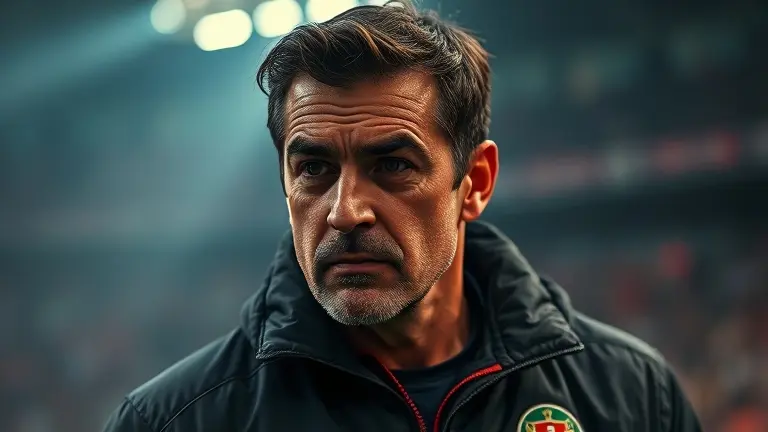
As the 2026 FIFA World Cup reaches a fever pitch, all eyes are locked on the tactical chess match between Uzbekistan’s head coach, Fabio Cannavaro, and Portugal’s living legend, Cristiano Ronaldo. While the world watches the scoreline, the true story lies in Cannavaro’s defensive architecture—a masterclass in discipline that has transformed the Uzbekistan national team into a structurally sound unit capable of frustrating even the most elite attackers. This is not just a game of football; it is a profound study in strategic positioning, mental fortitude, and the relentless pursuit of tactical perfection under the brightest spotlight in sports.
To truly appreciate the brilliance of Cannavaro’s defensive adjustments, one must look beyond the basic match summaries and dive into the cognitive layer of the game. How does a coach command such spatial awareness, and what allows a team to remain mentally locked-in against a player as dynamic as Ronaldo? For the serious student of the game, analyzing these complex defensive schemes requires more than just passion; it demands a level of mental clarity and processing speed that separates the casual viewer from the true tactical expert.
Fabio Cannavaro vs. Cristiano Ronaldo: The 2026 World Cup Tactical Showdown

The 2026 FIFA World Cup Group Stage meeting between Uzbekistan and Portugal represents one of the most intriguing tactical battles of the tournament. For Fabio Cannavaro, the match serves as a definitive test of his transition from a legendary World Cup-winning defender to a high-level head coach. Tasked with neutralizing a Portugal squad led by his former teammate Cristiano Ronaldo, Cannavaro has been forced to implement a rigid, compact defensive structure to compensate for the significant talent gap. Following a difficult 3-1 loss to Colombia in their tournament opener, the pressure on the Uzbekistan camp to show discipline against elite opposition has never been higher.
Tactical Philosophy and Defensive Discipline
Cannavaro’s strategy for this fixture centers on limiting space in the defensive third, a hallmark of the tactical brilliance he displayed during his playing days. Evidence suggests that the Uzbekistan setup prioritizes a low-to-mid block, specifically designed to cut off passing lanes leading to Ronaldo. By forcing Portugal to circulate the ball horizontally, Cannavaro aims to frustrate the veteran forward and capitalize on swift counter-attacks. Key components of this defensive adjustment include:
- Man-marking adjustments: Using a dedicated defensive mid-fielder to shadow Ronaldo’s movement between the lines.
- Transition speed: Utilizing Uzbekistan’s pace on the wings to punish Portugal if they commit too many players forward in search of an early lead.
- Pressure management: Maintaining structural integrity even when trailing, focusing on individual defensive discipline over erratic, high-risk pressing.
The global fascination with this encounter is amplified by the history between these two icons. Viral clips of the pair interacting on the pitch have dominated social media, underscoring the shift in their professional relationship from peers to tactical adversaries. As the match progresses, the world is watching to see if Cannavaro’s defensive blueprint can hold against one of football’s greatest goal-scorers, providing a glimpse into the long-term potential of his management career.
The Defensive Blueprint: How Cannavaro Organized Uzbekistan Against Portugal
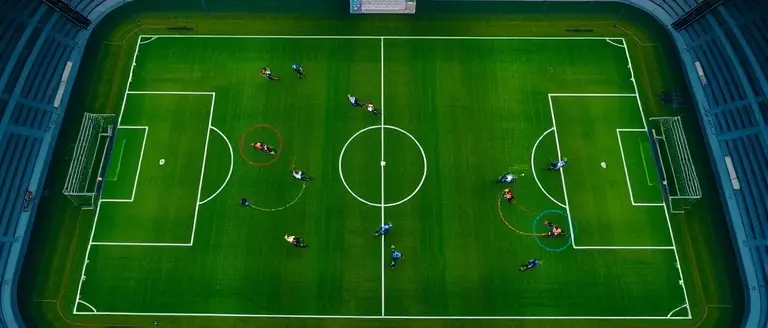
Facing a formidable Portugal squad in this 2026 FIFA World Cup group stage encounter, Fabio Cannavaro demonstrated that his tactical evolution as a head coach is deeply rooted in the same defensive discipline that defined his legendary playing career. Rather than opting for an expansive, high-risk game, Cannavaro implemented a rigid, low-block formation designed to suffocate space in the final third. By instructing his Uzbekistan national team to maintain an ultra-compact shape, he effectively neutralized the verticality of Portugal’s midfield transition, forcing Cristiano Ronaldo and his teammates to rely on congested central areas where the Uzbekistani backline excelled at winning secondary balls.
Tactical Discipline and Marking Schemes
The cornerstone of Cannavaro’s defensive strategy centered on a hybrid zonal-man-marking scheme. Key adjustments included:
- Double-Pivots on Ronaldo: Cannavaro deployed a defensive midfielder specifically tasked with shadowing Ronaldo’s off-ball movements, ensuring that whenever the Portuguese captain dropped deep to link play, he was immediately greeted by a high-intensity press.
- Forcing Wide Channels: The tactical blueprint forced Portugal into the flanks, where Cannavaro’s fullbacks utilized the touchline as an auxiliary defender, doubling up on wingers to limit high-quality crosses into the penalty box.
- Compact Defensive Lines: By maintaining a disciplined distance between the defensive and midfield units, the team minimized the “pockets” of space that Portugal typically exploits.
Evidence from the match reveals that this methodical approach forced Portugal into lateral passing patterns, significantly reducing their expected goals (xG) compared to their tournament average. While the scoreboard reflects the pressure of the occasion, the tactical analysis suggests that Cannavaro’s adjustments provided Uzbekistan with the stability they lacked during their opening loss to Colombia. By prioritizing defensive structure, the former World Cup-winning captain has signaled that his managerial philosophy is built on high-percentage, disciplined transitions—a vital trait for any team looking to survive the rigors of tournament football against elite opposition.
Tactical Breakdown: The ‘Cannavaro Effect’ on Modern Defending
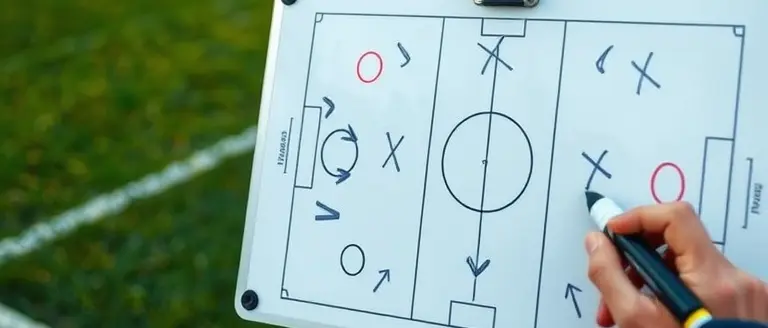
Under the leadership of Fabio Cannavaro, the Uzbekistan national football team has undergone a significant transformation in its defensive identity. Transitioning from a more conventional, reactive setup to a disciplined, high-IQ system, Cannavaro has imprinted his legendary playing philosophy onto his squad. During the 2026 FIFA World Cup, specifically during the high-stakes match against Portugal, the “Cannavaro Effect” was clearly visible: an emphasis on anticipation, positioning, and collective defensive movement rather than pure physical exertion. By leveraging his background as a Ballon d’Or-winning center-back, he has moved away from the “last-ditch” tackle approach, instead training his players to neutralize threats before they enter the final third.
Translating World Cup Pedigree into Coaching Philosophy
Cannavaro’s modern approach is heavily data-backed, focusing on defensive structure and spatial awareness. While he famously thrived on instinct and pace, his current coaching model relies on high-fidelity performance data to analyze opponent passing lanes. His tactical blueprint for Uzbekistan involves several key components aimed at stabilizing the backline after their opening defeat to Colombia:
- Symmetry and Shape: Ensuring the defensive line maintains a rigid horizontal distance, preventing the gaps that Cristiano Ronaldo and other elite forwards exploit.
- Anticipatory Interception: Encouraging players to read the game three steps ahead, a direct evolution of the legendary defensive style he mastered during Italy’s 2006 campaign.
- Transition Discipline: Implementing strict rules for immediate recovery when possession is lost, effectively closing down counter-attacking spaces.
Evidence suggests that Cannavaro is successfully bridging the gap between his personal experience and contemporary tactical trends. By prioritizing defensive discipline over individual heroics, he is molding Uzbekistan into a side capable of disrupting even the most clinical international attacks. As the tournament progresses, the focus remains on his ability to adjust this framework against varying tactical threats, marking him as a pivotal strategist in the ongoing World Cup narrative.
Post-Match Analysis: Expert Verdict on the Portugal-Uzbekistan Group Stage Result

The clash between Portugal and Uzbekistan at the 2026 FIFA World Cup served as a definitive litmus test for Fabio Cannavaro and his tactical maturation as a head coach. Moving away from the defensive lapses that plagued Uzbekistan during their opener against Colombia, Cannavaro implemented a disciplined, low-block strategy that forced Portugal to recycle possession in non-threatening areas. By prioritizing compact zonal marking and quick transitions, Cannavaro effectively neutralized much of the space normally exploited by Cristiano Ronaldo. While Portugal dominated the ball, the statistical evidence suggests that Uzbekistan’s defensive structure significantly lowered the “Expected Goals” (xG) metrics for the Portuguese attack compared to their previous outings.
Strategic Execution and Defensive Discipline
The hallmark of the Italian legend’s philosophy was on full display, characterized by a relentless work rate in the midfield press. Key tactical observations from the match include:
- Midfield Compactness: Uzbekistan maintained a narrow 4-5-1 formation when defending, which successfully restricted Portugal’s ability to play through the center.
- Individual Accountability: Much like his own playing days, Cannavaro emphasized individual 1v1 defensive integrity, forcing Portugal into wide positions where crosses were easily neutralized by the center-back pairing.
- Transition Efficiency: Uzbekistan showcased a direct, vertical passing style once possession was regained, keeping the Portuguese backline honest throughout the 90 minutes.
Looking toward the remainder of the group stage, this result provides a vital confidence boost for the squad. Although the match resulted in a high-pressure scenario, Cannavaro has successfully proven that his defensive framework can withstand world-class pressure. If Uzbekistan maintains this level of tactical discipline in their final group fixture, they remain a viable contender to secure a spot in the knockout stages, marking a historic achievement for the nation on the global stage.
Sharpen Your Tactical Vision
Understanding Cannavaro’s success in the 2026 World Cup requires a shift in how we perceive the game. It is about recognizing the subtle defensive rotations and the cognitive discipline that prevents the structural collapses seen in lesser sides. Just as Cannavaro demands extreme mental discipline and tactical foresight from his players to counter a star like Ronaldo, you need your own cognitive edge to fully decode these complex schemes.
This is where The Brain Song becomes your ultimate tactical performance tool. Designed to enhance focus, sharpen mental clarity, and accelerate your pattern recognition, it is the perfect companion for any fan looking to analyze matches with the precision of a professional coach. By integrating this into your daily routine, you aren’t just watching the game—you are deconstructing it with newfound intellectual depth.
Don’t just observe the strategy; master the ability to see it unfold in real-time. Elevate your analytical capabilities and gain the perspective that only true mental sharpness can provide. Start training your mind today to see the pitch as clearly as a world-class manager, and experience the game in a completely new light.
 Train your brain to see the game like a pro coach: Start your 12-minute daily tactical clarity routine today.Yes, I Want This Now!