
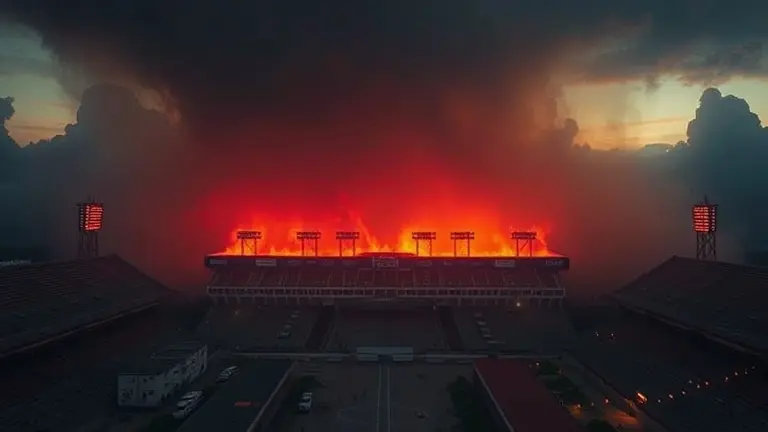
As we move through the summer of 2026, the term ‘heat dome’ has shifted from a niche meteorological curiosity to the defining reality of our climate. With the ‘Super El Niño’ pattern intensifying global temperatures and record-breaking surges hitting Texas, Oklahoma, and beyond, we are entering a season where stagnant, trapped air can turn everyday life into a genuine survival challenge. Whether you are navigating your daily commute or planning to attend outdoor 2026 FIFA World Cup matches, the extreme heat is no longer just about discomfort; it is about managing your body’s threshold under unprecedented stress.
Understanding what a heat dome is—and why it creates these high-pressure ‘bottlenecks’ of stifling air—is the first step toward resilience. However, true preparedness goes beyond simple hydration. When temperatures soar, your internal metabolism works overtime to regulate your core temperature, often leading to the debilitating fatigue and ‘brain fog’ that compromise both safety and performance. To thrive during this summer of records, we must rethink our survival kits to include tools that protect our physiological equilibrium.
The 2026 ‘Super El Niño’ and the Global Heat Dome Crisis

At its core, a heat dome occurs when the atmosphere traps hot ocean air in a vast, high-pressure system, effectively acting like a lid on a pot. As high-pressure air descends, it compresses and heats up, while simultaneously preventing clouds from forming or cool air from moving into the affected region. For residents in the United States, particularly across Texas and Oklahoma, this phenomenon has triggered the first wave of dangerous 100-degree-plus temperatures, creating stagnant, sweltering conditions that offer no reprieve even after sunset. The intensity of these events in 2026 is significantly amplified by the ongoing ‘Super El Niño’ climate pattern, which is altering global jet stream configurations and fueling extreme weather anomalies across the Northern Hemisphere.
Global Scale and Environmental Volatility
The current crisis is not isolated to North America; rather, it is a hallmark of a planet adjusting to a volatile climate. Europe is contending with historic, record-breaking heat waves, while South Asia experiences extreme thermal stress, disrupting daily life and infrastructure. This synchronicity of heat extremes is a direct consequence of the 2026 ‘Super El Niño’, which meteorological data from NOAA suggests is pushing global temperatures toward record highs. The combination of these massive pressure systems and systemic warming has introduced several critical risks:
- Heightened Wildfire Potential: The prolonged drying of vegetation under the heat dome creates a tinderbox effect, dramatically increasing the risk of explosive wildfires in drought-stricken regions.
- Grid Stability Stress: Power providers like PJM are monitoring usage closely, as the heat dome forces air conditioning demand to surge, testing the resilience of energy infrastructure.
- Public Safety Hurdles: With high-profile events such as the 2026 FIFA World Cup taking place in these heat-prone corridors, the urgency for heat mitigation and fan safety protocols has become a paramount concern for local governments and event organizers.
The compounding nature of these heat domes—where temperatures remain stubbornly high for days or weeks at a time—is rapidly becoming the “new normal.” As evidence suggests that these events will increase in frequency and duration, understanding the mechanics of a heat dome is no longer just a meteorological interest; it is a fundamental requirement for personal and community safety in 2026 and beyond.
Understanding Your Risk: Grid Stability and Urban Heat Islands

When a heat dome settles over a region, it creates a dual-threat environment: extreme ambient temperatures and a compromised electrical infrastructure. As record-breaking heat pushes residents to crank air conditioning units to maximum capacity, the resulting surge in electricity demand often tests the limits of the power grid. Organizations like PJM and local utility providers monitor these stressors closely, as the combination of high demand and equipment fatigue—which occurs when transformers and power lines overheat—increases the risk of rolling blackouts. For travelers attending 2026 FIFA World Cup matches or residents in high-risk zones like Texas, understanding that your local energy supply may fluctuate is a critical part of summer emergency planning.
The Urban Heat Island Effect
The danger is further amplified in densely populated areas due to the Urban Heat Island (UHI) effect. Cities are significantly hotter than surrounding rural landscapes because concrete, asphalt, and glass trap solar radiation during the day and release it slowly at night. This prevents the natural cooling cycles that typically offer relief during extreme weather events.
Key factors increasing your personal risk during these periods include:
- Reduced Nighttime Relief: Urban materials re-radiate heat, keeping indoor temperatures dangerously high overnight, which limits the body’s ability to recover from daytime heat exposure.
- Transit Vulnerability: Public transportation hubs, often constructed of heat-absorbing materials, can become focal points for extreme temperatures. Always check local transit updates for cooling station locations or schedule adjustments.
- Infrastructure Strain: Urban density creates a “bottleneck” effect, where power demand is concentrated, potentially leading to localized outages even if the wider grid remains stable.
Staying informed requires more than just checking the thermometer. Residents and visitors should prioritize identifying local cooling centers and monitoring grid status alerts provided by municipal authorities. By acknowledging how infrastructure limitations and urban planning influence your immediate environment, you can better navigate the “new normal” of the 2026 Super El Niño season.
2026 Heat Survival Kit: Actionable Resilience for Residents and Travelers

As the 2026 Super El Niño intensifies, understanding what is a heat dome is no longer just a meteorological exercise; it is a critical component of personal safety. A heat dome traps high-pressure, stagnant air over a region, creating a dangerous feedback loop of soaring temperatures. Whether you are a local resident managing home energy or a traveler attending 2026 FIFA World Cup matches, building resilience requires a proactive strategy. Focus on a layered defense: hydration, thermal regulation, and infrastructure awareness. Ensure you consume electrolyte-rich fluids rather than just water, and utilize lightweight, light-colored, moisture-wicking clothing to assist your body’s natural cooling mechanisms.
Stadium Safety and Heat Exhaustion
Attending large-scale outdoor events during a heat wave demands rigorous preparation. Stadium environments can create “urban heat islands” that amplify ambient temperatures. To remain safe while watching games:
- Pre-hydrate: Begin increasing fluid intake 48 hours before entering the stadium.
- Recognize the Signs: Be vigilant for heat exhaustion—symptoms include heavy sweating, cold skin, rapid pulse, and dizziness. If these occur, seek medical tents immediately.
- Strategic Movement: Plan travel during the cooler early-morning or late-evening hours. Avoid direct exposure to the midday sun between 11:00 AM and 4:00 PM when the heat dome effect is most intense.
- Gear Check: Use broad-brimmed hats, polarized UV-rated sunglasses, and high-SPF mineral sunscreen.
Indoor Climate Resilience
When staying indoors, optimize your environment to handle potential power grid stress. NOAA and local utility providers like PJM emphasize keeping indoor temperatures at a stable, moderate level rather than oscillating between extremes, which helps reduce peak load on the energy grid. Utilize blackout curtains to block solar gain, and if AC usage is limited, create cross-ventilation during the night. By combining these tactical adjustments with a heightened awareness of regional heat safety warnings, both residents and visitors can navigate this record-breaking summer with confidence and reduced risk.
Rapid Response: Heat Safety Tips for Social Media

In the age of the 2026 “Super El Niño,” understanding what is a heat dome is more than just a meteorological lesson; it is a vital component of public safety. As temperatures soar, social media serves as a rapid-response channel for distributing life-saving information to residents and visitors attending major events, including the 2026 FIFA World Cup. To foster community resilience, influencers and local authorities should prioritize shareable, high-impact content that simplifies complex heat safety data into actionable, daily habits.
Viral Safety Frameworks for High-Heat Events
To combat the intensity of stagnant, high-pressure air systems, focus your short-form content on these core “survivalist” pillars:
- The 2-Hour Hydration Rule: Encourage followers to consume electrolytes consistently rather than waiting for thirst. Remind viewers that by the time you feel thirsty, your body is already beginning to experience mild dehydration.
- Active Cooling Zones: Create geo-tagged infographics that highlight local cooling centers, public pools, and indoor venues with high-capacity HVAC systems. During major stadium events, visually mapping the nearest shaded corridors is essential for heat stroke prevention.
- The “Check-In” Challenge: Leverage social proof by encouraging users to tag two friends or neighbors to confirm they have working AC and adequate water supplies.
- Dress for Performance, Not Just Fashion: For those heading to outdoor venues, emphasize the importance of light-colored, breathable fabrics and wide-brimmed hats to mitigate the direct impact of solar radiation.
Quick-Reference Graphics Template
Design your social media assets using a high-contrast color palette—preferably cool blues and greens—to visually signal “safety” amidst the heat. Use bold, sans-serif fonts to list “Immediate Actions” on one side and “Warning Signs” (like dizziness, nausea, or rapid pulse) on the other. By integrating the NOAA official heat-index thresholds into these graphics, you provide reliable, evidence-based data that helps followers make informed decisions during extreme heat safety alerts. Prioritizing these rapid-fire visuals ensures that critical, life-saving information travels as fast as the record-breaking temperatures themselves.
Master Your Metabolism Amidst the Heat Wave
Surviving a heat dome requires more than just staying in the shade; it demands a proactive strategy to defend your body against the intense metabolic toll of constant heat exposure. When the mercury rises, your internal cooling system enters a state of hyper-drive, leaving you vulnerable to energy crashes, irritability, and decreased cognitive sharpness. While staying hydrated is the first step, extreme heat waves place an unprecedented demand on your metabolism; here is how to keep your energy consistent even when the mercury rises.
This is where Sugar Defender becomes an essential component of your 2026 Heat Survival Kit. Unlike simple hydration strategies, Sugar Defender acts as a metabolic stabilizer, helping to mitigate the blood sugar fluctuations that exacerbate heat-induced physical fatigue. By integrating this into your daily routine, you provide your internal systems the support needed to maintain peak performance and clarity, whether you are braving the stadium crowds or managing your workday during a peak heat episode.
Don’t let the heat dictate your limits or cloud your focus during this summer’s historic events. Take charge of your physiological resilience today to ensure you remain sharp, energized, and capable, no matter how high the thermometer climbs.
 Support your internal cooling system and maintain all-day energy throughout the 2026 summer heat season by integrating Sugar Defender into your daily routine.Protect My Energy Today!