

As June 2026 unfolds, a powerful combination of a persistent European heat dome and a developing ‘Super El Niño’ in the United States has thrust the term excessive heat into the center of global conversation. With NOAA reporting that eight U.S. states are already on track for their hottest year on record, the reality of this season extends far beyond simple weather warnings. We are facing a prolonged period of extreme temperatures that threatens to push local power grids to their breaking points and elevate wildfire risks to unprecedented levels.
While macro-meteorological shifts drive the headlines, the most effective response is found in hyper-local action. It is no longer enough to rely solely on HVAC systems; homeowners must now pivot toward proactive, resilient infrastructure. By auditing your property’s energy efficiency and implementing heat-mitigating outdoor strategies, you can transition from mere weather monitoring to creating a cooler, safer sanctuary for your family, regardless of what the mercury reads outside.
Understanding the 2026 Excessive Heat Phenomenon: A Global Perspective
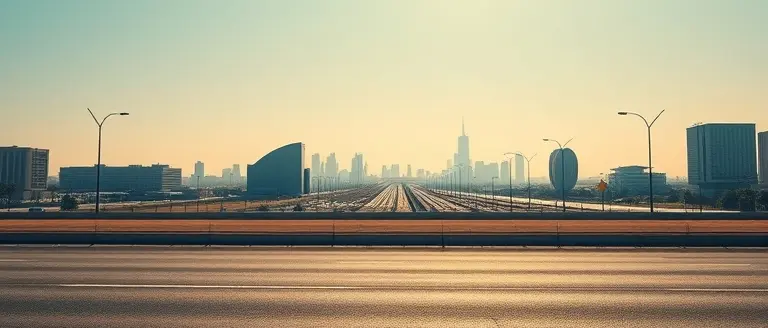
As of June 2026, the world is experiencing a compounding climate event that has meteorologists and public safety officials on high alert. This excessive heat is not merely a collection of isolated weather anomalies; it is the result of a rare, dual-hemisphere pressure system alignment. In Europe, a persistent heat dome has stalled over the continent, trapping stagnant, scorching air and prompting rare red weather alerts across the UK, France, and the Iberian Peninsula. These regions are currently contending with projected temperatures reaching 40°C (104°F), creating dangerous conditions for infrastructure and public health.
Simultaneously, the United States is grappling with the onset of a Super El Niño, a powerful climate driver that has significantly altered seasonal forecasts. Unlike standard weather fluctuations, the 2026 Super El Niño has intensified regional heat retention, particularly across the American West and Southwest. According to recent NOAA data, this phenomenon is contributing to a historically significant year, with eight U.S. states currently tracking for their hottest year on record since data collection began.
Why 2026 Is an Outlier Year
The severity of this year’s climate profile is backed by concrete meteorological evidence. By examining the period between January and May 2026, experts have identified several factors that distinguish this season from previous heatwaves:
- Atmospheric Blocking: The current European heat dome demonstrates an unusual degree of persistence, preventing cooler maritime air from providing relief.
- Thermal Momentum: The early-year temperature spikes in the U.S. have provided a “head start” to the summer season, leaving little room for soil moisture recovery and increasing the risk of drought and wildfire activity.
- Infrastructure Strain: The combination of record-breaking heat and high energy demand for cooling creates a precarious situation for power grids, necessitating proactive energy management from both utility providers and residents.
By focusing on these data-backed meteorological facts, it becomes clear that the current excessive heat requires a shift from reactive observation to evidence-based, adaptive preparation. Understanding the distinction between immediate meteorological events and the broader seasonal climate shifts influenced by the Super El Niño is essential for effective local response.
Audit Your Home: A Practical Guide to Cooling Efficiency
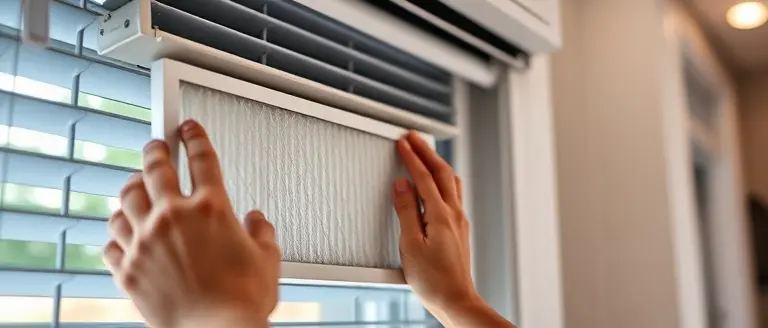
With the 2026 Super El Niño driving record-breaking temperatures across the United States, your home’s cooling system is facing its most significant test yet. As NOAA reports suggest that eight states are tracking for their hottest year on record, proactive energy management is no longer optional—it is a necessity for maintaining household comfort and reducing strain on the regional power grid. Before the peak of this excessive heat arrives, conducting a DIY energy audit can prevent system failure and significantly lower your utility bills.
Immediate Home Cooling Modifications
To maximize the efficiency of your HVAC system during prolonged heatwaves, focus on these high-utility, low-cost interventions:
- Seal Thermal Leaks: Use weatherstripping or caulk around windows and doors. Even minor gaps allow hot air to infiltrate your living space, forcing your AC to run continuously.
- Install Thermal Curtains: Utilize heavy, light-blocking curtains on windows facing the sun. This simple addition acts as a thermal barrier, reducing solar heat gain by up to 25%.
- Optimize Thermostat Strategies: Avoid drastic temperature swings. Keep your thermostat at a consistent, energy-efficient set point—ideally 78°F or higher—to reduce mechanical strain.
- Compressor Maintenance: Clear all debris, leaves, and tall grass from around your outdoor condenser unit. Proper airflow is essential for the unit to shed heat efficiently; restricted airflow leads to overworking the compressor and potential system burnout.
- Airflow Management: Ensure all interior vents are clear of furniture or rugs. If your home has a multi-story layout, utilize ceiling fans to create a wind-chill effect, allowing you to raise your thermostat setting without losing comfort.
By refining your home’s cooling profile, you move beyond generic preparation toward evidence-based resilience. These steps not only protect your household against the immediate dangers of excessive heat but also contribute to the broader stability of energy infrastructure during this extreme summer climate shift.
The Science of the Super El Niño: Why Summer 2026 is Different

The current excessive heat gripping the United States is not a random weather anomaly; it is the direct result of a potent climatic engine known as a Super El Niño. While standard El Niño events occur periodically, the 2026 iteration is characterized by unprecedented surface water temperatures in the central and eastern Pacific Ocean. This massive reservoir of heat acts as a catalyst, pumping excess energy into the atmosphere and fundamentally altering global jet stream patterns. When these warmed air masses stall over land, they create “heat domes”—high-pressure systems that trap heat like a lid on a pot, preventing cooler air from entering and stifling regions for days or even weeks.
How the Super El Niño Reshapes Summer Weather
To understand why this summer feels significantly more intense, consider how the atmosphere responds to Pacific heating. The interaction between ocean temperatures and atmospheric circulation drives several specific shifts:
- Atmospheric Stagnation: The strength of this year’s Super El Niño forces the jet stream into a wavy, sluggish pattern. This “blocking” effect keeps excessive heat stationary, leading to the record-breaking, prolonged heatwaves currently impacting the U.S.
- Thermal Expansion: As NOAA data indicates, 2026 is tracking to be the hottest year on record for eight U.S. states. This is largely because the background “baseline” temperature has been elevated by the persistent marine heat, leaving the atmosphere with less capacity to cool down overnight.
- Feedback Loops: Dry, baked soil—a byproduct of these early-summer heat domes—actually worsens the situation. Without moisture in the ground to evaporate, the sun’s energy goes entirely into heating the air rather than the earth, fueling a dangerous cycle of rising temperatures.
This meteorological phenomenon is responsible for the transition from typical summer volatility to a sustained season of risk. By recognizing these mechanics, households can better understand that the current threat isn’t just a brief spike in temperature, but a systemic climate shift that demands long-term energy management and heat-resilient preparedness.
Building Community Resilience: Lessons from Local Heat Mitigation Initiatives
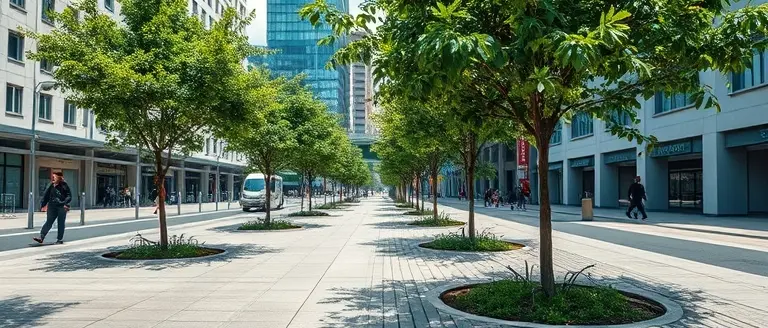
As excessive heat events become a more frequent fixture of the American summer, municipalities are shifting from reactive emergency responses to proactive, long-term urban design strategies. Evidence suggests that localized infrastructure changes can lower ambient surface temperatures by several degrees, significantly mitigating the health risks associated with the urban heat island effect exacerbated by the 2026 Super El Niño. Cities across the U.S. are increasingly investing in data-driven cooling solutions that go beyond traditional air conditioning to foster lasting community resilience.
Strategic Infrastructure for Cooling
Several cities are currently piloting high-impact programs designed to physically alter the built environment to resist heat absorption. These initiatives focus on two primary objectives: increasing surface reflectivity and expanding natural shade. Key strategies currently yielding positive results include:
- Cool Pavement Programs: By applying specialized reflective coatings to asphalt roads and parking lots, cities are successfully reducing surface temperatures, which in turn cools the air circulating at pedestrian levels.
- Green Canopy Expansion: Municipalities are prioritizing the planting of drought-resistant, native tree species in historically underserved neighborhoods. These canopy initiatives provide natural transpiration and shade, which are vital during prolonged heatwaves.
- Localized Cooling Center Networks: Rather than relying on singular large hubs, cities are deploying distributed cooling centers in transit hubs, libraries, and community spaces to ensure that vulnerable populations, particularly those without home climate control, have immediate access to respite.
Empowering Neighborhood Preparedness
Community-level preparation is the final line of defense against record-breaking temperature trends. Beyond infrastructure, successful mitigation depends on social cohesion, such as “neighbor-check” programs and clear communication channels regarding power grid stability. As we navigate the ongoing climate shifts of 2026, these evidence-based adaptive measures offer a sustainable roadmap for neighborhoods to lower internal temperatures, reduce reliance on energy-intensive cooling, and protect public health during the height of summer. By integrating these local initiatives, cities are transforming from passive victims of extreme weather into resilient, heat-ready environments.
Take Control of Your Environment Today
The 2026 climate outlook demands more than passive preparation; it requires a structural shift in how we manage our living spaces. While adjusting your cooling systems is a vital first step, true climate resilience begins in your own backyard. By building custom shade structures, pergolas, and strategic cooling-focused garden features, you can significantly reduce ambient temperatures around your home and ease the reliance on energy-taxed indoor cooling.
For those ready to take control of their environment, having a precise plan to build these custom solutions is the most effective way to protect your home this summer. Our recommendation is to utilize professional-grade, custom blueprints that allow you to construct high-quality outdoor structures without the burden of expensive, hard-to-find contractors. This approach transforms your backyard from a vulnerable space into a robust, heat-resistant defense system.
This is your opportunity to stop worrying about the heat and start building a permanent, resilient cooling solution that adds tangible value to your property. Don’t wait for the next heat advisory to realize your home isn’t prepared. Take the initiative now to build a more comfortable, climate-resilient future for your family with the right tools at your fingertips.
 Start building your heat-resistant home defenses today with access to over 16,000 professional blueprints.Yes, I Want This Now!