
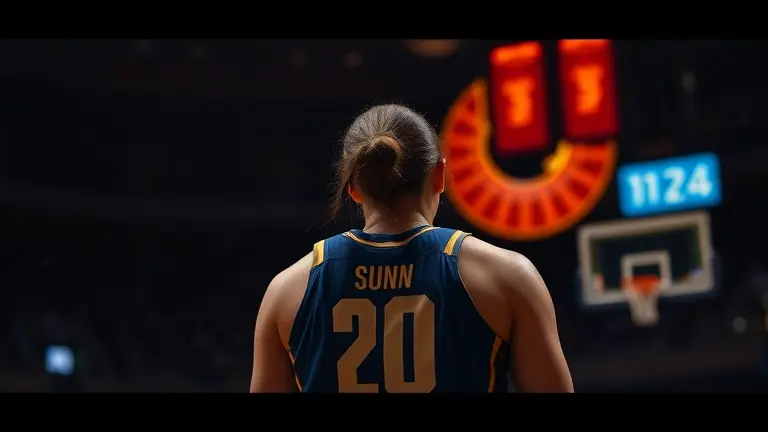
When the Chicago Sky tipped off against the Connecticut Sun at the Mohegan Sun Arena on June 22, 2026, the scoreboard told only a fraction of the story. Beyond the intensity of this high-stakes match-up and the meaningful community celebration of Indigenous Peoples’ Night, a larger, more exhausting reality is taking hold in professional women’s basketball. The WNBA’s shift toward a grueling 50-game schedule has pushed athletes into unprecedented territory, forcing a complete re-evaluation of recovery, cognitive endurance, and how elite performers maintain their edge under the crushing weight of a never-ending season.
While fans search for streaming details and live scores, the true narrative lies in the mental fortitude required to survive this expanded calendar. It is no longer just about physical conditioning; it is about the neuro-cognitive discipline needed to stay sharp when the body reaches its limits. As we analyze the performance dynamics between the Sky and the Sun, we must look at how these athletes manage the ‘brain-drain’ of back-to-back travel and high-pressure play, a challenge that offers a profound lesson for anyone looking to optimize their own focus in a high-demand world.
The Chicago Sky vs. Connecticut Sun Matchup: Beyond the Box Score
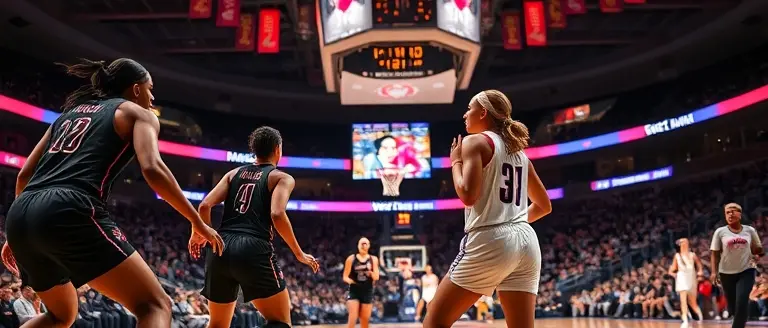
The June 22, 2026, contest between the Chicago Sky and the Connecticut Sun at Mohegan Sun Arena served as far more than a routine mid-season entry in the WNBA standings. While many fans initially engaged with the sky vs sun narrative to track broadcast schedules or betting lines, the evening represented a profound intersection of professional athletics and cultural advocacy. By centering the event around “Indigenous Peoples’ Night,” the Connecticut Sun organization effectively utilized their platform to foster meaningful community engagement, highlighting a growing trend in professional sports where franchises act as hubs for social education and cultural recognition.
Cultural Advocacy in the WNBA
The significance of the matchup was anchored in the Sun’s intentional decision to celebrate the heritage of the Mohegan Tribe, on whose land the arena is built. This initiative shifted the focus from mere team-on-team competition to a broader dialogue regarding visibility and historical acknowledgment. Key elements of this effort included:
- Community Integration: In-game presentations that honored Indigenous leaders and showcased traditional cultural practices, elevating the fan experience beyond the game-day guide format.
- Educational Impact: By utilizing the sky vs sun spotlight, the organization bridged the gap between professional sports entertainment and public awareness, ensuring that thousands of attendees engaged with a narrative of resilience and community identity.
- Platform for Advocacy: The event demonstrated how WNBA teams are increasingly leveraging their high-visibility schedules to address social issues, setting a template for how professional organizations can balance competitive intensity with impactful community outreach.
Ultimately, this game proved that the value of a high-stakes professional matchup is often best realized when it transcends the final score. While the Chicago Sky and Connecticut Sun players battled on the court, the night stood as a testament to the league’s evolving role in society—proving that a single game can serve as both a platform for elite athleticism and a catalyst for vital cultural conversation.
The 50-Game Season: Analyzing WNBA Player Health and Longevity

The transition toward a 50-game season represents a pivotal moment for the WNBA, but it also creates significant friction between league expansion and athlete welfare. As the professional game evolves, the physical toll on players has become a central narrative, particularly when analyzing high-intensity matchups like sky vs sun. The condensed nature of the schedule forces teams to prioritize load management, a necessity that becomes painfully clear when examining the recent roster challenges faced by the Chicago Sky. With a high volume of games played in rapid succession, the margin for error in injury prevention programs has narrowed considerably.
Assessing the Physical Toll on Teams
The strain on rosters is not merely a theoretical concern; it is a tangible reality impacting team performance. When professional athletes are subjected to constant travel and high-impact basketball without adequate recovery windows, the risk of acute and chronic injuries climbs. Analysts point to several critical factors that influence the long-term sustainability of the league’s current growth:
- Roster Depth: Smaller rosters struggle to absorb the impact of multiple sidelined starters, forcing secondary players into high-usage roles for which they may not be prepared.
- Recovery Protocols: The reliance on advanced medical staffing is becoming as vital as coaching staff, as teams attempt to mitigate fatigue through cryotherapy, specialized nutrition, and advanced sleep monitoring.
- Performance Variability: Evidence suggests that as the season progresses toward the 50-game mark, defensive intensity can fluctuate as players manage their energy levels to avoid burnout.
The Chicago Sky have served as a case study for this struggle, navigating a period where maintaining a healthy lineup has been nearly as competitive as the games themselves. As the league continues its trajectory toward an even more extensive calendar, balancing the demand for more high-profile games—like those featuring the Connecticut Sun—against the biological realities of elite athletes will remain the most significant challenge for the WNBA’s leadership in the coming years.
The Intersection of Professional Sports and Cultural Advocacy
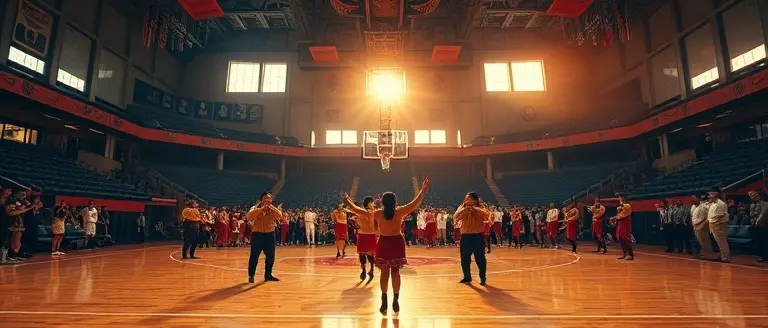
While the sky vs sun matchup on June 22, 2026, was initially framed by many outlets as a simple transactional contest, the event at Mohegan Sun Arena transcended the box score. By centering the evening around Indigenous Peoples’ Night, the Connecticut Sun demonstrated how professional WNBA franchises are evolving from mere entertainment providers into vital platforms for cultural advocacy. This strategic pivot moves beyond standard game-day hype, fostering a deeper, values-based connection with the fanbase that transcends the typical win-loss narrative.
Why Community-Driven Programming Matters
The rise of social-impact initiatives in the WNBA is not merely a marketing trend; it is a critical pillar of long-term fan loyalty. Unlike traditional sports reporting that focuses solely on statistics and playoff implications, the Connecticut Sun’s commitment to highlighting Indigenous culture provides a richer, more humanizing context for the sport. This approach offers several tangible benefits for the organization and the league at large:
- Enhanced Brand Identity: Aligning the team with meaningful social causes solidifies the Sun’s position as a pillar of the regional community, distinguishing them from franchises that maintain a strictly utilitarian business model.
- Deepened Fan Engagement: Fans are increasingly seeking “purpose-driven” consumption. By attending a game that celebrates cultural heritage, spectators feel they are participating in a larger movement rather than just watching a game.
- Broadening the Audience: Cultural advocacy programs attract diverse demographics who might otherwise be indifferent to professional basketball, effectively growing the league’s total addressable market.
Ultimately, the intersection of teams like the Chicago Sky and the Connecticut Sun with their communities creates a lasting impact that outlives the final whistle. As the league continues to expand its schedule, the ability to balance high-level athletic performance with genuine community outreach will be the defining factor in how modern franchises maintain relevance and grow their influence in the US sports landscape.
Redefining Sports Media: Moving Past the Transactional Preview

The current landscape of WNBA coverage often feels trapped in a cycle of transactional utility. Search queries for matchups like sky vs sun are frequently met with repetitive, automated templates that prioritize broadcast channels, betting lines, and tip-off times. While this data is necessary for the casual viewer, it ignores the broader, more compelling narrative arcs that define professional basketball. By reducing a game between the Chicago Sky and the Connecticut Sun to mere scheduling logistics, media outlets fail to capture the human, tactical, and cultural elements that drive long-term fan loyalty and league growth.
Elevating the Narrative
To better serve the evolving WNBA audience, journalism must pivot toward deep-dive analysis. Instead of rehashing the same game-day preview, writers should focus on:
- Tactical Evolution: Analyzing how coaching adjustments influence team performance over the course of an expanded 50-game season.
- Player Development: Examining the rigorous physical and mental demands on athletes as the league schedule intensifies.
- Socio-Cultural Impact: Highlighting initiatives like the Connecticut Sun’s Indigenous Peoples’ Night, which showcases how professional organizations serve as vital conduits for community advocacy and education.
Moving past the “where to watch” format requires a commitment to investigative sports storytelling. A nuanced look at the Chicago Sky and their current performance trajectory offers more value than a simple point-spread analysis. By centering the human experience and the strategic complexities of the game, media platforms can foster a deeper connection with the audience. This evolution in reporting not only validates the complexity of the WNBA as a premier sports product but also respects the intelligence of the modern fan, who is seeking more than just a box score to understand the stakes of the game.
Unlock Your Peak Cognitive Potential
The intensity displayed on the court during the Sky vs Sun rivalry serves as a mirror for our own modern lives. Whether it is a professional athlete managing a 50-game season or a high-achiever navigating a chaotic professional landscape, the margin for error is razor-thin. True, lasting success in high-pressure environments isn’t just about output; it is about intentional, neuroscience-backed cognitive restoration that allows the mind to reset, sharpen, and return to peak form.
Just as WNBA stars require elite mental fortitude to navigate the rigorous demands of their schedule, you too are seeking ways to maintain your focus amidst the relentless noise of daily life. This is where The Brain Song becomes your essential performance optimizer. By utilizing neuroscience-based auditory stimulation, it mirrors the high-level discipline of these athletes, helping you slash cognitive fog and achieve a state of sustained clarity that was previously out of reach. It is the natural evolution of the recovery narrative—moving from professional arenas to your own personal wellness toolkit.
By integrating this 12-minute daily routine into your lifestyle, you are not just managing stress; you are actively engineering a sharper, more resilient version of yourself. This is the moment to bridge the gap between where you are and the peak potential you are capable of achieving.
 Achieve your own peak performance; try The Brain Song’s 12-minute daily routine to sharpen your focus like a pro.Transform My Life Today