
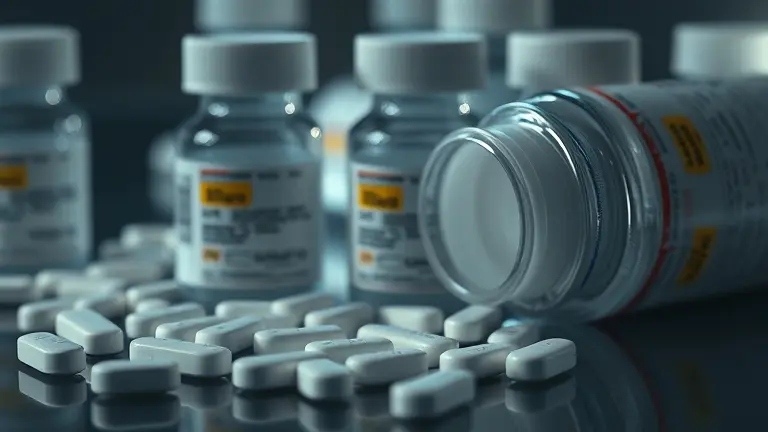
Are you one of the thousands of patients currently caught in the confusion of the recent Rising Pharma Chlorthalidone recall? On June 22, 2026, a significant, nationwide voluntary recall was issued for 11,460 bottles of Chlorthalidone 25 mg tablets due to concerning dissolution failures. For those managing hypertension, this news is more than just a logistical update—it is a source of genuine concern regarding the efficacy of the medication you rely on every single day to protect your heart.
The uncertainty surrounding whether your specific bottle contains tablets that fail to break down correctly is naturally distressing. However, it is essential to remain calm and informed. This guide is designed to strip away the clinical jargon and provide you with a clear, actionable roadmap to identify if your medication is affected, understand the risks, and navigate your next steps safely in partnership with your healthcare provider. Your heart health is paramount, and we are here to help you move forward with clarity and confidence.
Understanding the Rising Pharmaceuticals Chlorthalidone Recall (June 2026)

On June 22, 2026, a significant blood pressure medication recall was initiated regarding Chlorthalidone Tablets, USP, 25 mg. This nationwide voluntary action affects 11,460 bottles of the medication, which is commonly prescribed to manage hypertension and fluid retention. The recall was issued by the U.S. distributor, Rising Pharmaceuticals, following reports that identified manufacturing inconsistencies originating from the India-based facility, Inventia Healthcare Limited. Impacted products are specifically marked with an expiration date of April 2027.
What Does ‘Failed Dissolution’ Mean?
The core reason for this rising pharma chlorthalidone recall is categorized as “failed dissolution specifications.” In pharmaceutical terms, dissolution is the process by which a solid drug substance enters a solution within the gastrointestinal tract. When a tablet fails to meet dissolution standards, it means the medication may not break down or release its active ingredient into the bloodstream at the rate intended by clinical standards.
- Impact on Efficacy: If the tablet does not dissolve correctly, the patient may not receive the full dosage of the medication.
- Health Risk: Because this is a blood pressure medication, failing to receive the proper therapeutic dose can lead to uncontrolled hypertension, potentially putting patients at higher risk for cardiovascular events.
- Clinical Concern: The primary risk is not necessarily a toxic reaction, but rather the failure of the medication to perform its life-saving function effectively.
It is critical for patients currently prescribed this medication to understand that this issue pertains specifically to the internal chemical breakdown of the tablet. If you are currently taking Chlorthalidone, do not abruptly stop your treatment, as an sudden cessation of blood pressure management can be dangerous. Instead, verify your bottle details and immediately contact your healthcare provider or pharmacist to discuss your options and ensure you have a safe, effective supply of your medication.
Patient Action Guide: How to Check Your Medication
If you are currently taking chlorthalidone for hypertension, it is essential to determine if your supply is part of the recent blood pressure medication recall. As of June 22, 2026, Rising Pharmaceuticals has issued a voluntary recall for 11,460 bottles of Chlorthalidone Tablets, USP, 25 mg, due to failed dissolution specifications. This technical failure means the medication may not dissolve properly in your digestive system, potentially leading to a lack of therapeutic effect and uncontrolled blood pressure.
To confirm if your prescription is impacted, follow these steps to inspect your medication bottle carefully:
Steps to Verify Your Prescription
- Locate the Label Details: Check the manufacturer information on your prescription bottle. The affected tablets are manufactured by Inventia Healthcare Limited and distributed by Rising Pharmaceuticals.
- Check the Expiration Date: Focus specifically on bottles with an expiration date of April 2027. Any other expiration dates currently fall outside the scope of this specific recall.
- Identify Lot and NDC Numbers: Compare the lot number and National Drug Code (NDC) printed on your label against the official list published in the FDA recall notice. If your bottle matches the specific parameters of the blood pressure medication recalled, do not dispose of the medication yet.
- Secure the Product: Place the bottle in a secure location, out of reach of children or pets. Your pharmacist may require the physical bottle to process a return, exchange, or refund.
What “Dissolution Failure” Means for You
The term failed dissolution specifications sounds concerning, but it primarily refers to the tablet’s physical inability to break down at the rate required for the body to absorb the active ingredient. Because this blood pressure medication may not be working as intended, you might be at risk of an acute rise in blood pressure if the medication is ineffective. Disclaimer: Please contact your primary care physician or pharmacist before you stop taking your medication. Discontinuing treatment abruptly can be dangerous; your healthcare provider will determine if you need an immediate alternative or a dosage adjustment to ensure your health remains stable during this transition.
The Risks of Ineffective Hypertension Medication
When you are prescribed blood pressure medication like chlorthalidone, consistent dosing is essential for maintaining cardiovascular stability. The recent rising pharma chlorthalidone recall highlights a critical issue known as “failed dissolution specifications.” In layperson’s terms, dissolution refers to the process by which a tablet breaks down in your digestive system, allowing the active pharmaceutical ingredient to be absorbed into your bloodstream. If a medication fails this test, the drug may pass through your system without delivering the necessary therapeutic dose, leaving your hypertension unmanaged.
Why Therapeutic Consistency Matters
Maintaining a stable level of medication in your system is vital for preventing acute cardiovascular events. When dissolution is compromised, your body does not receive the intended therapeutic benefit. This failure can result in a gradual or sudden rise in blood pressure levels, which significantly increases the risk of severe health complications, including:
- Stroke: Uncontrolled hypertension is a leading contributor to cerebrovascular accidents.
- Heart Attack: Inconsistent blood pressure management places undue strain on the cardiac muscle.
- Kidney Damage: Prolonged periods of elevated blood pressure can damage the delicate vessels within the kidneys.
Protecting Your Cardiovascular Health
If you are currently taking this medication, you may be concerned about the impact of this blood pressure medication recall. It is important to understand that the primary risk is not a toxic reaction, but rather the risk of “therapeutic failure”—meaning your blood pressure may not be as well-controlled as your doctor intended.
Important Medical Disclaimer: Please do not discontinue or alter your medication regimen without first consulting your primary care physician or pharmacist. Suddenly stopping hypertension treatment can lead to dangerous rebound effects. Reach out to your healthcare provider to discuss whether you are using an affected lot and to secure a safe, reliable alternative to ensure your heart health remains protected.
Frequently Asked Questions: What to Do If You’ve Taken Affected Pills

If you discover that your blood pressure medication is part of the Rising Pharma chlorthalidone recall, it is natural to feel concerned. However, health experts emphasize that you should not panic if you have already consumed doses from the affected lots. The primary issue cited in this blood pressure medication recall is a “failed dissolution specification,” which means the tablets may not break down in your digestive system as intended. While this could lead to the drug being less effective at controlling your hypertension, it does not typically introduce toxic substances into your system. The recall is a voluntary, precautionary measure intended to ensure that patients receive only the highest standard of pharmaceutical efficacy.
Immediate Steps for Patients
If you are currently taking this medication, please consider these expert-recommended steps to manage your health safely:
- Consult Your Physician: Before stopping your treatment, contact your healthcare provider. Abruptly discontinuing blood pressure medication can sometimes lead to a dangerous rebound effect or spikes in blood pressure. Your doctor may provide specific instructions on whether to continue until a replacement is found or switch to an alternative therapy immediately.
- Check Your Prescription: Compare the lot number and NDC code on your bottle against the official recall list provided by Rising Pharmaceuticals or the FDA.
- Monitor Your Symptoms: While the risk of acute side effects from ineffective dissolution is generally low, keep a log of your blood pressure readings at home. If you experience symptoms like dizziness, lightheadedness, or persistent headaches, seek medical attention promptly.
- Secure a Replacement: Once you have spoken with your doctor, take your recalled bottle to your local pharmacist. They can facilitate a safe exchange or assist in processing a new prescription for an unaffected lot.
Maintaining open communication with your clinical team is the most effective way to navigate this recall. Remember, the goal of this recall is to ensure your long-term health, and by verifying your medication status, you are taking a proactive role in your own hypertension management.
Maintaining Your Heart Health During Transitions
Navigating a medication recall can be an unsettling experience, especially when it involves something as critical as blood pressure management. The most important takeaway is to remain proactive, verify your medication status immediately, and maintain open communication with your physician to ensure your heart health remains stable. You are your own best advocate in managing these unexpected pharmaceutical disruptions.
While you consult your doctor regarding the next steps for your prescription, many patients are looking for natural ways to stabilize their cardiovascular health and support metabolic function throughout this transition. This is where a supportive health companion can make a world of difference.
Cardio Slim Tea offers a plant-based, stimulant-free approach to cardiovascular maintenance, helping to bridge the gap during periods of uncertainty. By incorporating this natural ritual into your daily routine, you can foster consistent support for your blood pressure and energy levels, providing you with peace of mind as you navigate your healthcare adjustments.
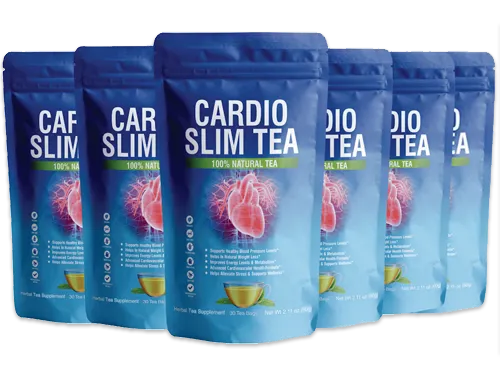 Explore how Cardio Slim Tea can provide natural, consistent support for your cardiovascular health and peace of mind during this medication transition.Support My Cardiovascular Health Today!