
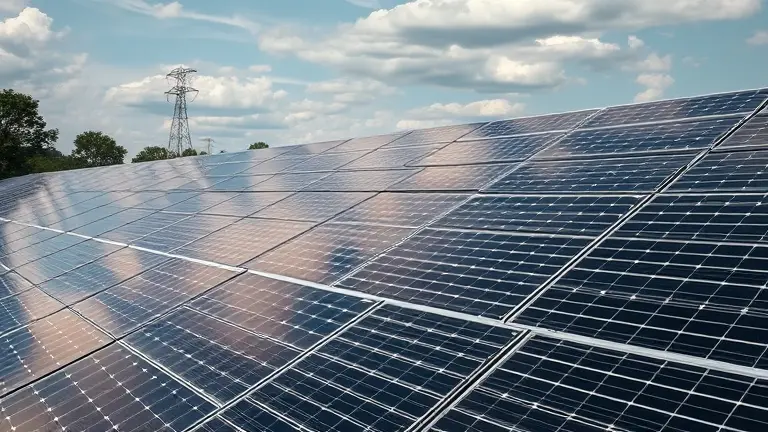
The dream of a residential solar revolution is hitting a structural wall in 2026. As high interest rates and maturing incentives drive a projected 15% decline in residential installations, homeowners are finding themselves at a crossroads: abandon the pursuit of energy independence or pivot their strategy. While the headlines are dominated by massive utility-scale investments fueling the voracious appetite of AI data centers, the individual homeowner is being priced out of the traditional ‘install-and-forget’ model. This isn’t just a cooling of the market; it is a fundamental shift toward an efficiency-first reality where current grid limitations are making energy autonomy more expensive than ever.
To survive—and thrive—in this new environment, you must stop viewing solar as a plug-and-play appliance and start treating your property as a high-performance energy asset. The era of relying solely on installers to solve your energy bills is over. Instead, the smartest homeowners are now taking a granular, proactive approach to infrastructure. By optimizing the physical integrity of your home to reduce load and preparing your systems for future micro-grid integration, you can achieve the security of solar without the punishing overhead of new, financed debt.
The 2026 Solar Reset: Navigating the Bifurcated Energy Market
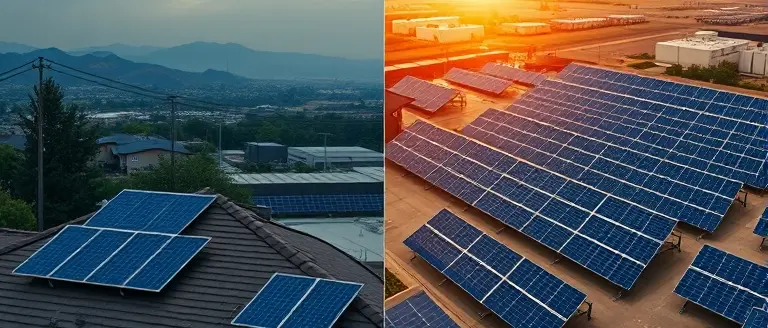
The United States energy sector is currently experiencing a structural pivot as we move through mid-2026. After years of rapid, subsidy-driven expansion, the solar panels market has entered a period of cooling for residential consumers. Data from industry analysts, including reports surfacing in June 2026, indicate a projected 15% decline in residential installations this year. This contraction is primarily fueled by sustained high interest rates, which have increased the cost of financing home-based systems, and the natural maturation of once-generous local and federal incentives. The “solar for everyone” phase has reached a threshold, shifting the focus toward long-term efficiency rather than rapid, speculative adoption.
The Rise of Industrial-Scale Integration
While the residential market navigates these headwinds, the utility-scale segment is seeing unprecedented growth. This surge is not driven by typical consumer incentives but by the massive, insatiable energy demands of AI and cloud-computing infrastructure. As data centers race to secure stable power supplies, they are increasingly acting as institutional investors in large-scale renewable projects. This “industrial-scale integration” is transforming solar from a supplemental energy source into a mission-critical utility asset.
- Data Center Drivers: Institutional demand for 24/7 carbon-free energy is compelling developers to bypass retail-level constraints in favor of massive solar-plus-storage utility arrays.
- Grid Stability: Innovations like California’s canal-solar pilot program demonstrate a new priority: utilizing infrastructure for dual-purpose energy and resource management.
- Market Bifurcation: Investors are pivoting away from residential retail models, favoring firms that support the high-density power requirements of the digital economy.
The current landscape represents a transition from simple adoption to strategic energy asset management. For homeowners, this means maximizing the ROI of existing systems, while for business and institutional stakeholders, it represents a golden age of large-format, off-grid, and micro-grid development. As the market corrects, the value proposition of solar is no longer just about environmental preference—it is about securing energy independence in an era of volatile, AI-driven demand.
Residential Optimization: Maximizing ROI in a High-Interest Era
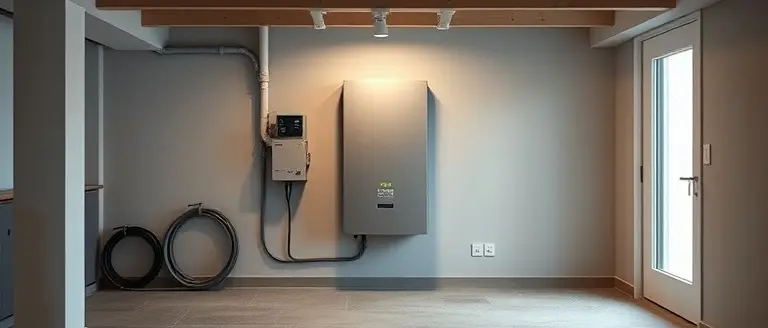
As the US market faces a cooling trend in new residential installations, homeowners must shift their focus from pure expansion to operational efficiency. With high interest rates making new financing burdensome, the most effective strategy for existing solar panels owners is to maximize self-consumption. Relying on traditional net metering is increasingly precarious as utility policies shift; therefore, prioritizing internal energy use over grid exports is essential to securing a return on investment. By utilizing smart home energy management systems (HEMS), homeowners can automate their appliances to run precisely when sunlight is at its peak, effectively turning a passive system into an active financial asset.
Retrofitting for Energy Independence
For those looking to improve system viability, battery retrofits represent the most significant opportunity. Adding energy storage allows you to capture surplus generation during the day—which might otherwise be undervalued by the utility—and discharge it during evening peak-price periods. This strategy is vital for mitigating the impact of rising residential utility rates, which are being indirectly influenced by the massive energy demands of the AI and data center sectors.
Consider these tactical steps to improve your system’s performance:
- Load Shifting: Program high-consumption appliances like dishwashers, clothes dryers, and pool pumps to operate during peak solar production hours.
- Smart Thermostats: Integrate solar production data with smart climate control to “pre-cool” or “pre-heat” your home when your panels are generating excess power.
- Battery Management: If you have an existing storage system, prioritize “self-consumption mode” over “backup mode” to maximize daily cycling and minimize grid reliance.
- System Audits: Periodically monitor your inverter performance through mobile apps; if production lags, it may indicate a need for panel cleaning or micro-inverter maintenance, which is far more cost-effective than a total system overhaul.
By viewing your residential setup through the lens of a micro-grid, you can insulate your household finances from broader market volatility and ensure that your solar investment continues to pay dividends despite the shifting economic landscape.
Institutional Dominance: The Pivot Toward AI-Backed Utility Infrastructure
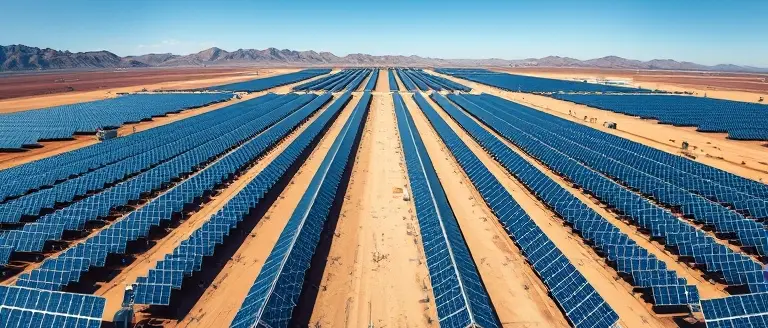
The solar market is currently undergoing a structural realignment as capital moves away from the cooling residential rooftop sector toward massive, utility-scale infrastructure. Driven by an unprecedented surge in energy demand from AI and cloud-computing data centers, tech giants are no longer content to wait for traditional grid expansion. Instead, these corporations are bypassing standard procurement models by directly financing and co-locating solar panels alongside energy-intensive facilities. This trend represents a fundamental shift: solar power is increasingly viewed as a dedicated industrial asset rather than a decentralized retail utility.
The Rise of Co-Located Power Assets
Data center developers are prioritizing stability and energy security, leading to the development of private micro-grids and dedicated large-scale solar arrays. By integrating generation directly with consumption, these firms mitigate the latency and volatility issues inherent in a strained public grid. Key implications of this institutional shift include:
- Bypassing Traditional Procurement: Major tech firms are securing multi-gigawatt power purchase agreements (PPAs) that prioritize long-term, fixed-rate clean energy to hedge against rising wholesale electricity prices.
- Grid Resilience and Stability: While institutional investment in solar provides massive capacity, it creates a bifurcated landscape where data centers operate on high-reliability, dedicated loops while general grid consumers may face fluctuating service costs.
- Infrastructure Synergy: Innovative projects, such as California’s canal-solar pilot programs, demonstrate a move toward multifunctional infrastructure that solves land-use, water-management, and power-generation problems simultaneously.
This pivot toward industrial-scale integration is fundamentally altering the economics of the sector. As institutional investors focus on securing their own supply chains, the resulting economies of scale are expected to drive down the cost per megawatt, even as residential growth stalls due to high interest rates. Ultimately, this structural evolution suggests that while the “retail solar boom” of the last decade has reached a maturity plateau, the future of the industry lies in supporting the massive, mission-critical energy needs of the digital economy.
Micro-Grids and Off-Grid Resilience for Energy-Intensive Businesses
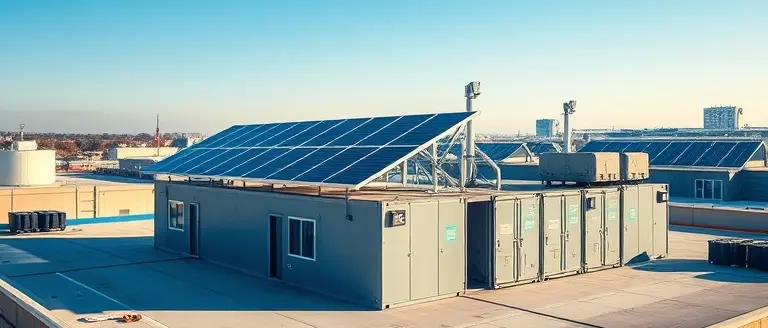
For small to medium-sized commercial entities, the current energy landscape is defined by volatility and rising utility costs driven by massive AI-led infrastructure demands. As the grid faces increased pressure from large-scale data centers, many businesses are finding that traditional utility dependency is no longer the most cost-effective path. Investing in micro-grid solutions and localized solar panels coupled with advanced energy storage is shifting from an environmental preference to a fundamental financial imperative for maintaining 24/7 operational uptime.
Strategic Evaluation of Hybrid Energy Systems
Before committing capital in a high-interest-rate environment, business owners must conduct a rigorous cost-benefit analysis. A hybrid energy setup—which integrates private solar generation with grid-tied connectivity and battery storage—often offers the best balance of resilience and ROI. By utilizing peak-shaving techniques, businesses can reduce their exposure to high-demand charges during times of grid stress, effectively decoupling a portion of their operations from retail rate hikes.
To determine if your business is ready for a micro-grid transition, evaluate the following criteria:
- Energy Density Requirements: Determine if your critical equipment requires consistent power loads that justify the initial capital expenditure of battery banks.
- Regulatory Landscape: Research local net-metering policies and state-level incentives that may offset the higher cost of debt financing in 2026.
- Operational Risk Assessment: Quantify the financial loss associated with grid downtime; if your cost of interruption exceeds current utility savings, off-grid or hybrid systems become a primary risk management tool rather than a luxury.
By treating energy as an infrastructure asset rather than a monthly overhead, energy-intensive businesses can hedge against the broader shifts in the US energy market, ensuring long-term stability as institutional and industrial demand continues to reshape grid accessibility.
Master Your Infrastructure for Lasting Energy Independence
The solar market’s pivot from retail expansion to industrial-scale development signals a clear message: the days of cheap, accessible residential solar financing are effectively on hold. However, the need to hedge against rising utility costs driven by AI-computing demand remains more urgent than ever. Your best defense is not necessarily a massive, high-interest investment in new panels, but the strategic, professional-grade optimization of your existing home infrastructure. By hardening your property’s efficiency, you create a foundation that makes every watt of power—whether grid-sourced or generated—work significantly harder.
Professional-grade results require more than just enthusiasm; they require the architectural precision usually reserved for commercial contractors. This is why managing your own property improvements is the smartest financial move you can make today. Without the right planning, efficiency projects often suffer from costly trial-and-error, material waste, and technical failure. You can bridge this gap by adopting the same disciplined, structured approach as a professional, ensuring every home upgrade is executed with absolute certainty.
Ted’s Woodworking provides the exact technical framework required to execute professional-grade home modifications without the exorbitant cost of external labor. By accessing this comprehensive library of 16,000 precision plans, you gain the ability to perform structural efficiency upgrades and micro-grid-ready infrastructure modifications with total confidence. This is the ultimate tool for the efficiency-first homeowner, turning complex, high-stakes tasks into foolproof, actionable steps that directly protect your home’s value and lower your dependency on the aging grid.
 Access the library of 16,000 professional plans and take full control of your home’s efficiency upgrades today.Yes, I Want This Now!