
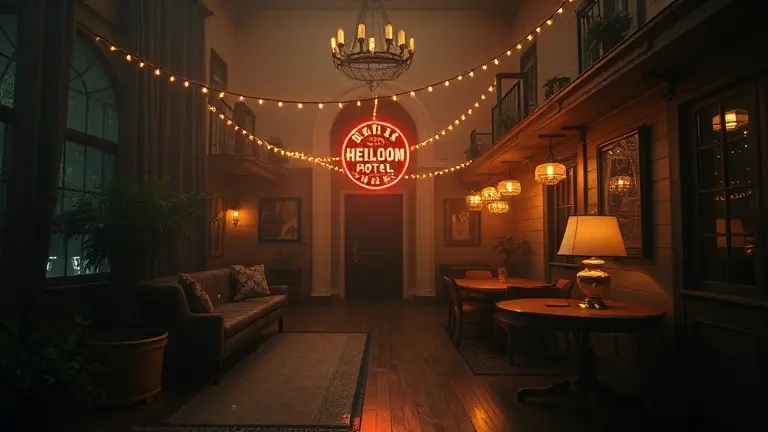
When HGTV fans tuned in to Home Town: Inn This Together, they witnessed more than just a standard renovation; they saw Ben and Erin Napier pour their hearts into restoring ‘The Heirloom Hotel.’ What began as a transformative journey of historic preservation took a tragic turn following the series finale, as a devastating fire threatened to erase the progress of this labor of love. Today, the headlines surrounding home town spin-off hotel news have shifted from celebratory design reveals to a gripping narrative of crisis recovery and architectural endurance.
As the Napiers and the project owners work tirelessly to rebuild, the story has resonated deeply with audiences, highlighting the fragile reality of restoring historic properties. This isn’t just about headline-grabbing updates; it is a profound study in resilience. By examining the structural challenges and the intentional craftsmanship required to rise from the ashes, we can better appreciate the immense dedication needed to preserve local history, turning a moment of heartbreak into a masterclass in community-driven architectural recovery.
From Renovation Triumph to Crisis: The Heirloom Hotel Story
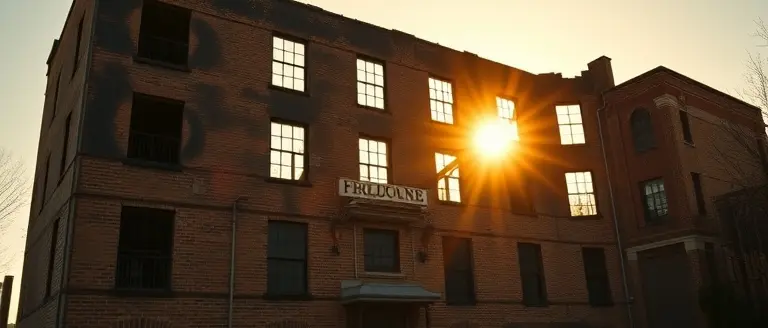
The HGTV spin-off series Home Town: Inn This Together captured the hearts of viewers by chronicling the ambitious transformation of a historic structure into the crown jewel of the local hospitality scene, The Heirloom Hotel. Star hosts Ben and Erin Napier approached this project as a true “labor of love,” focusing on the intricate architectural restoration and the economic revitalization of the community. When the series finale aired in June 2026, it concluded with a triumphant reveal, showcasing the hotel as a successful beacon of progress. However, the narrative shifted abruptly from renovation success to a profound test of resolve when a devastating fire struck the property shortly thereafter, halting operations and casting a shadow over the recently completed restoration.
The Shift from Entertainment to Real-World Recovery
This latest home town spin-off hotel news marks a critical transition in the show’s legacy. While the television program documented the aesthetic and structural triumphs of the renovation, the current situation has forced a shift toward the reality of historic preservation during a crisis. Industry observers and fans alike have noted the Napiers’ transparency during this recovery phase, as they provide updates that bridge the gap between media interest and architectural survival. Recent reports suggest that the project has moved from initial shock to a structured strategy, with owners confirming that they can finally “see a way forward” despite the immense logistical challenges posed by fire damage.
Key elements of this recovery process include:
- Structural Assessment: Evaluating the viability of original timber and masonry that survived the blaze.
- Community Resilience: The hotel remains a focal point for the town’s identity, with local stakeholders remaining deeply invested in its restoration.
- Preservation Standards: Navigating the complex requirements of rebuilding a historic landmark while adhering to modern fire safety and building codes.
- Emotional Investment: Addressing the widespread sympathy from the HGTV audience who viewed the original build as a symbol of regional revitalization.
By moving beyond the initial headlines, the story of The Heirloom Hotel now serves as a poignant case study in architectural resilience, proving that the most compelling chapter of a renovation project is often the one written when things do not go according to plan.
The Science of Restoring Historic Properties After Fire
Restoring a historic building after fire damage, as seen in the recent home town spin-off hotel news regarding The Heirloom Hotel, involves far more than simple cosmetic repairs. Architects and preservationists face the daunting task of balancing modern safety regulations with the structural integrity of heritage materials. Unlike new construction, post-fire historic restoration requires a forensic approach to assess which elements of the original woodwork, masonry, and framing can be salvaged versus those that have been compromised by heat-induced structural fatigue.
Navigating Craftsmanship and Modern Codes
The primary challenge in these projects lies in the reconciliation of period-accurate aesthetics with stringent 21st-century building codes. When Ben and Erin Napier navigate the recovery process, they are contending with the delicate science of historic preservation. Key technical strategies include:
- Charred Woodwork Reclamation: Experts must carefully determine if charred timber beams are merely surface-damaged or structurally unsound. Specialized media blasting and chemical stabilization are often used to salvage original heart-pine framing.
- Lead and Asbestos Abatement: Older properties frequently harbor hazardous materials that become airborne during a fire. Professional crews must perform hazardous material remediation before any reconstruction begins to ensure site safety.
- Structural Stabilization: Heritage sites often lack the lateral bracing found in modern architecture. Engineers must design non-intrusive internal supports that strengthen the building against seismic or structural collapse without altering the historic facade.
- Fire-Resistant Integration: Modern fire-suppression systems, such as concealed sprinkler lines, must be installed in a way that minimizes impact on original architectural details like plaster moldings or tin ceilings.
Ultimately, the restoration of a project as significant as The Heirloom Hotel serves as a masterclass in resilience in home renovation. By treating the property not just as a business asset but as a repository of local history, the reconstruction process ensures that the building’s narrative continues despite the trauma of the fire, turning a disaster into an opportunity for improved safety and structural longevity.
The Heirloom Hotel: Current Rebuilding Milestones
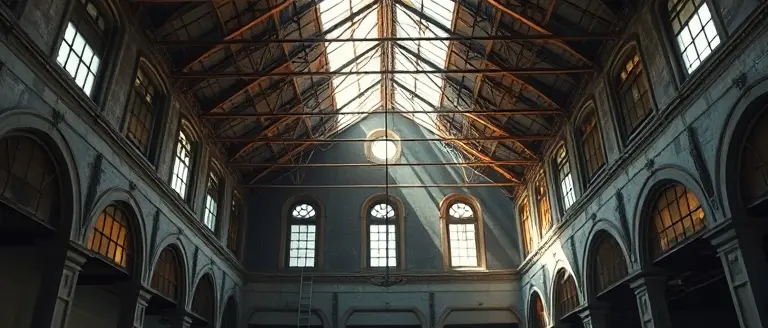
Following the conclusion of the HGTV spin-off, the focus surrounding home town spin-off hotel news has shifted from design aesthetics to the grueling reality of structural recovery. Since the devastating fire, owners and the renovation team led by Ben and Erin Napier have transitioned into a complex phase of site clearance and forensic engineering. This stage is critical for assessing which original materials—many of which were carefully sourced during the show’s production—can be salvaged, and which must be replaced to meet modern safety codes. The current rebuilding milestones are characterized by a cautious, methodical approach designed to honor the historical integrity of the property while ensuring long-term resilience against future risks.
Engineering a Future for The Heirloom Hotel
The recovery process involves a deep collaboration between local restoration experts and structural engineers tasked with stabilizing the remaining facade. Unlike a standard renovation, this effort requires reconciling the original “labor of love” architectural vision with modern safety requirements mandated after the fire. Key milestones currently underway include:
- Forensic Structural Assessment: Engineers are evaluating the integrity of the historic framework to determine the feasibility of preserving existing load-bearing elements.
- Site Remediation and Clearance: Specialized teams are methodically removing debris to protect the architectural assets that survived the blaze.
- Infrastructure Re-Integration: Planning for updated electrical and fire suppression systems that meet current commercial codes without compromising the period-accurate interior design.
By focusing on these milestones, the project continues to serve its primary mission: revitalizing small-town infrastructure. This process underscores the resilience inherent in the project, proving that the commitment to the community goes far beyond the television screen. Fans following the home town spin-off hotel news can take heart in reports that, for the first time since the crisis, the project has a clearly defined path toward completion, bridging the gap between past success and a restored future.
Community and Resilience: The Fandom’s Role in Recovery

The outpouring of support following the devastating fire at The Heirloom Hotel has transformed the narrative of the HGTV spin-off series from a project of architectural restoration into a profound testament of community endurance. For fans of Home Town: Inn This Together, the hotel represents far more than a physical renovation; it stands as a symbol of the revitalization efforts Ben and Erin Napier have long championed in Laurel, Mississippi. As current home town spin-off hotel news continues to focus on the rebuilding process, the emotional investment from the fandom has become a tangible force driving the project toward its recovery.
The Power of Collective Encouragement
This widespread public sympathy highlights the unique connection between viewers and the Napiers’ mission. When a renovation project of this scale faces a setback as significant as a structural fire, the recovery process is often lonely and daunting. However, the consistent influx of messages, donations, and offers of assistance from the HGTV audience provides the necessary morale boost for the owners to navigate the complexities of reconstruction. Key factors in this ongoing resilience include:
- Emotional Anchoring: Fans view the hotel as a milestone of community-driven progress, making its preservation a shared psychological objective.
- Symbolic Rebirth: The restoration efforts are seen as a microcosm of Laurel’s broader economic and social recovery, keeping interest high long after the show’s finale.
- Transparent Communication: Regular updates from the owners have allowed fans to feel like active participants in the healing process rather than passive observers of a tragedy.
Evidence suggests that this level of public engagement creates a “safety net” of accountability and optimism. By focusing on the structural reality of the rebuild, the community helps maintain the narrative that the hotel is not just a building, but a vital piece of local heritage that deserves to survive and thrive. This partnership between the project owners and the HGTV viewership ensures that the Heirloom Hotel remains a central point of hope, proving that community resilience is often the most critical component in any historic renovation.
Turning Restoration Inspiration Into Reality
The story of The Heirloom Hotel serves as a powerful reminder that true preservation requires not only passion but profound technical expertise. While the Napiers have shown us the beauty of a community-driven project, the rebuilding process underscores that structural integrity is the backbone of any lasting restoration. For fans moved by this journey, the challenge lies in translating that inspiration into professional-grade results for your own home restoration or woodworking aspirations.
While Ben Napier demonstrates that craftsmanship is built on precise planning, many enthusiasts find themselves struggling with the complex construction realities that define projects of this scale. This is where professional-grade, foolproof blueprints become your most valuable asset. By utilizing structured, industry-standard plans, you can bridge the gap between passive observation and active participation, ensuring that your own projects achieve the same level of structural integrity and aesthetic precision seen in the hotel rebuild.
Ted’s Woodworking acts as the perfect architectural companion for those ready to embrace the challenge of high-quality restoration. Whether you are tackling a minor renovation or a major build, these comprehensive plans demystify the professional techniques that make the Napiers’ work so enduring, allowing you to bring that same level of detail to your personal projects with confidence.
 Ready to bring the same level of precision to your home projects that the Napiers brought to The Heirloom Hotel? Access the complete library of professional woodworking plans here.Start My Professional Project Today!