

As the Houston Astros and Toronto Blue Jays prepare to clash at the Rogers Centre this June 22, the series carries far more weight than a typical mid-summer matchup. With both franchises hovering below the .500 mark and struggling to find their rhythm in the 2026 campaign, this three-game set serves as a critical litmus test for two teams at a crossroads. While fans and betting analysts dissect the latest injury reports—most notably the status of Max Scherzer—the real story lies deeper than the surface-level box scores. We are watching the potential final stand for existing rosters as front offices weigh the brutal reality of the trade deadline against their fading postseason aspirations.
Beyond the diamond, the disconnect between mid-season All-Star fan voting and actual on-field output highlights the tension between legacy reputations and current performance. For the dedicated sports enthusiast, parsing these complex narrative threads—from roster sustainability and trade rumors to the shifting dynamics of the standings—requires a high level of mental acuity. As we prepare to break down these implications, it is clear that staying ahead of the curve requires more than just passion; it demands the clarity to cut through the data and make sense of an increasingly volatile MLB landscape.
Astros vs. Blue Jays Series Preview: A Pivotal Mid-Season Clash

The June 22, 2026, series opener at the Rogers Centre marks a critical juncture for both the Houston Astros and the Toronto Blue Jays. As the 2026 MLB season hits its mid-point, both clubs find themselves languishing below the .500 mark, desperately searching for the consistency required to remain relevant in the playoff picture. The Astros enter Toronto with a 37-42 record, while the Blue Jays sit slightly ahead at 38-39. With the trade deadline looming, this three-game set serves as a litmus test for front offices in both cities to determine whether to pursue aggressive reinforcements or begin contemplating a strategic roster pivot.
The Urgency of the 2026 Standings
The stakes for this astros vs blue jays matchup extend far beyond simple win-loss columns. For teams with championship expectations, lingering near the bottom of their respective divisions generates significant pressure. The following factors highlight why this specific series is a turning point:
- Postseason Math: Every loss at this stage diminishes the margin for error for both the Astros and Blue Jays, making each game feel like a must-win scenario for clubs fighting to climb back into Wild Card contention.
- Injury Implications: The health of key personnel, such as ongoing updates regarding Blue Jays pitcher Max Scherzer, remains a focal point for betting analysts and team managers alike. Roster instability has plagued both sides, limiting their ability to maintain momentum.
- Trade Deadline Strategy: A poor showing in this series may force management to reconsider long-term sustainability, potentially turning these teams into sellers rather than buyers by the end of July.
As fans turn their attention toward 2026 MLB All-Star voting, the disparity between individual popularity and team-wide production has become glaring. While supporters continue to back their favorite players, the on-field reality demands a collective effort to stabilize the pitching rotations and ignite stagnant offenses. This series is not merely about the next three days; it is about proving that these rosters still possess the talent to compete at the highest level in a crowded American League landscape.
Injury Report and Pitching Matchups: The Max Scherzer Factor

The astros vs blue jays series at Rogers Centre arrives at a critical juncture for both organizations, with pitching depth serving as the primary question mark for the upcoming three-game set. As both clubs linger near the .500 mark, the stability of their respective rotations has become the focal point for analysts and sportsbooks alike. The most significant narrative entering the series is the status of veteran ace Max Scherzer. After reports from Heavy indicated lingering concerns regarding his recovery progress, his absence—or potential limited usage—shifts the dynamic of the Blue Jays’ staff significantly. When a pitcher of Scherzer’s caliber is questionable, the entire series projection fluctuates, as the Blue Jays must rely more heavily on an inconsistent bullpen to bridge the gap in late-inning scenarios.
Pitching Stability and Betting Implications
The astros – blue jays pitching matchup disparity often influences the opening lines for this series. Houston, despite their own 37-42 struggles, typically leans on established starters to keep games within striking distance. Conversely, the uncertainty surrounding Scherzer forces oddsmakers to inflate the value on the Astros, as the Blue Jays lack a clear “stopper” if their veteran leader cannot take the hill. Key factors for bettors and fans to monitor throughout this series include:
- Scherzer’s Velocity and Command: If activated, early monitoring of his pitch location will indicate whether he is truly back to form or still hampered by the injury reported in mid-June.
- Rotation Depth: With the Blue Jays’ starters struggling with longevity, the middle innings of this series may force early bullpen usage, which has been a statistical weakness for Toronto throughout the 2026 campaign.
- Astros’ Offensive Support: Houston’s lineup is hyper-focused on exploiting any pitching instability. Given Toronto’s current rotation fluidity, the Astros are positioned to put high pressure on whichever starter takes the mound in the series opener.
The combination of these health concerns and the teams’ current standing suggests that this series could be won or lost in the middle-inning matchups. If the Blue Jays are forced to rely on high-leverage relief arms too early in the game, the Astros’ offensive depth may prove the difference-maker in what is otherwise a tightly contested mid-season standoff.
Postseason Implications and Potential Deadline Moves

As the Houston Astros and the Toronto Blue Jays clash at the Rogers Centre, the series serves as more than just a mid-season matchup; it acts as a pivotal barometer for the 2026 trade deadline. With both teams struggling to sustain winning streaks—the Astros holding a 37-42 record and the Blue Jays sitting at 38-39—front offices are likely viewing this three-game set as a “make-or-break” audition for their current rosters. If neither squad can demonstrate meaningful momentum, both organizations may be forced to pivot from aggressive postseason contenders to potential sellers, fundamentally altering the landscape of the American League playoff race.
Strategic Roster Management and Trade Targets
The pressure to stabilize the roster is particularly acute for Toronto, especially regarding the injury status of veteran pitcher Max Scherzer. The Blue Jays’ ability to remain competitive hinges on their pitching depth, and a lack of recovery progress for their core rotation could necessitate an early exit from the postseason hunt. Meanwhile, the Astros must determine if their current offensive output is sustainable enough to overcome their sub-.500 standing.
Key considerations for upcoming management decisions include:
- Impending Free Agents: Teams will evaluate whether to ship off veteran assets on expiring contracts to replenish farm systems if a Wild Card spot remains mathematically unlikely by mid-July.
- Bullpen Reinforcements: Both the astros vs blue jays rosters have displayed inconsistency in relief, making bullpen arms the most likely commodity to be moved at the deadline.
- Core Sustainability: Front offices are weighing whether to supplement current stars or initiate a retooling phase to better position themselves for the 2027 season.
Ultimately, the decisions made following this series will signal whether these franchises believe in their 2026 postseason viability or if they will shift their focus toward long-term roster sustainability. If the losing team falters during this series, expect aggressive rumors regarding talent dispersal to dominate the sports media cycle leading into the final weeks of July.
All-Star Voting and Mid-Season Standout Performances
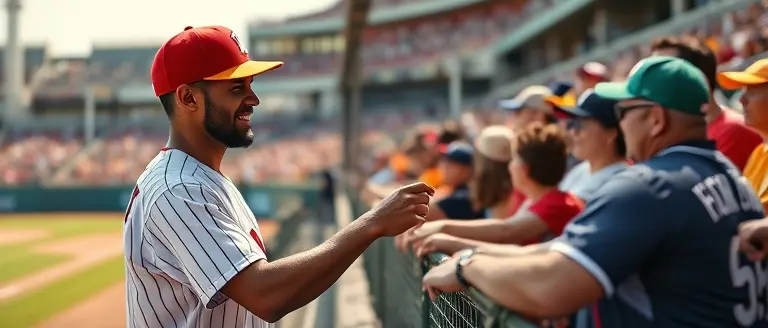
Despite the collective struggles that have left both the Houston Astros (37-42) and the Toronto Blue Jays (38-39) hovering near the .500 mark as they enter this mid-June series, the 2026 season has still showcased elite individual talent. For fans of the astros vs blue jays rivalry, the current All-Star voting cycle represents a vital opportunity to recognize players who have served as consistent bright spots in otherwise inconsistent campaigns. While team records often dictate the narrative, All-Star recognition provides a crucial silver lining for franchises navigating the turbulent waters of a sub-par season.
Why Your Vote Matters Now
Fan engagement in the All-Star voting process is not merely a popularity contest; it serves as a referendum on the hard work players put in during the first half of the season. As both rosters face potential deadline trade rumors and internal pressure to shake up their lineups, sending a representative to the All-Star Game offers validation for players who have kept their respective teams afloat. When team performance falters, individual accolades become the primary metric for roster success.
Consider these key factors when analyzing the current All-Star landscape:
- Offensive Consistency: Identify players maintaining high OPS figures despite the lack of run support or collective offensive slumps within the astros – blue jays matchups.
- Defensive Metrics: Look for fielders who are saving runs with their gloves, often overlooked in standard box scores but vital for analytical All-Star consideration.
- Pitching Resilience: Given the injury news surrounding veterans like Max Scherzer, acknowledge the relief and starting pitchers who have stepped up to eat innings and maintain stability in the middle of the bullpen.
Ultimately, supporting your favorite players through the ballot is the most direct way to ensure that the talent displayed during this series is celebrated on the national stage. Whether it is an Astro’s power hitter finding his rhythm or a Blue Jays starter fighting through injury concerns, these individual performances are the stories that define the 2026 season beyond the standings.
Sharpen Your Competitive Edge
The series between the Astros and Blue Jays is more than just a snapshot of mid-season mediocrity; it is a preview of the difficult structural decisions looming for both organizations. As you track the ripple effects of this series—from potential deadline fire sales to the reality of the standings—the demand for high-level data synthesis will only increase. While tracking these roster shake-ups and complex trade scenarios requires sharp focus, even the most dedicated sports analyst can hit a wall of mental fatigue when trying to synthesize scouting reports, salary cap impacts, and live game momentum.
This is where The Brain Song becomes an indispensable tool for the serious fan. Designed to foster cognitive clarity and sustain focus, this formula serves as your analytical accelerator, ensuring you remain as sharp as the strategies you are analyzing. By providing the mental stamina needed to navigate dense roster data and recognize hidden trends before they manifest in the standings, The Brain Song helps you process the deluge of information with ease. It is the natural companion for any enthusiast determined to stay ahead of the game.
Elevate your analytical performance and ensure you aren’t just watching the series, but truly understanding the long-term stakes of the 2026 season. Experience the clarity required to master the data.
 Unlock your peak analytical potential and sharpen your focus for the remainder of the 2026 season with The Brain Song.Sharpen My Analytical Edge Now!