
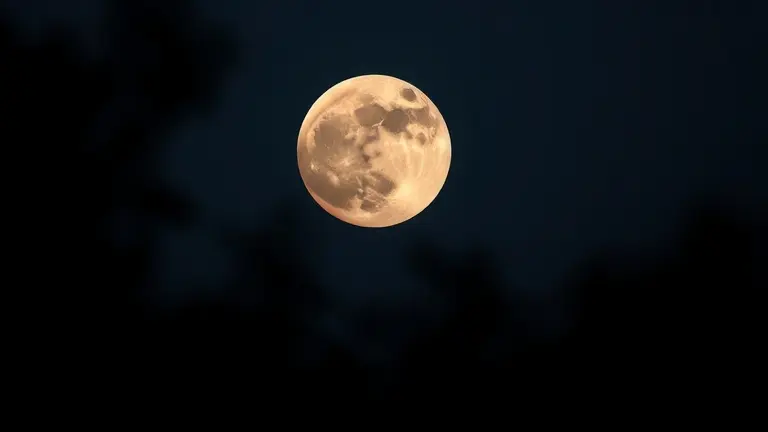
Are you staring at conflicting calendars, wondering exactly when is the next full moon? You aren’t alone. As we approach the arrival of the stunning Strawberry Moon in late June 2026, many stargazers are encountering widespread confusion. Reports seem to shift dates between June 29 and June 30, leaving many to wonder if they might miss the celestial spectacle entirely. This discrepancy isn’t a mistake in your calendar—it is a byproduct of time zone math and the unique nature of this specific lunar event, which also happens to be the final ‘micro moon’ of 2026.
Because the moon reaches peak illumination at a precise moment in its orbit, its appearance in the night sky varies significantly based on your physical location across the United States. To help you plan your viewing experience without the frustration of searching through dozens of contradictory sources, we have synthesized NASA data into a clear, localized guide. By cutting through the digital noise, we ensure you have the exact timing for your region, allowing you to witness this astronomical finale with total confidence.
Understanding the June 2026 Strawberry Moon Timing Discrepancies
If you find yourself confused while searching for when is the next full moon, you are certainly not alone. The discrepancy between various astronomical outlets regarding the June 2026 Strawberry Moon—often cited as occurring on either June 29 or June 30—is a common point of frustration for stargazers. This confusion stems from a simple misunderstanding of how universal astronomical events translate across global time zones. According to NASA astronomical data, the moon reaches its peak illumination at a single, precise moment in time. However, when that moment is converted from Coordinated Universal Time (UTC) to the four primary United States time zones, it can push the event across the midnight threshold, resulting in different calendar dates depending on your location.
Why Calendar Dates Shift
The primary reason for the conflicting data is that many international observatories report the event in UTC. When the moon reaches its 100% illumination phase at 00:57 UTC on June 30, observers in the Eastern Daylight Time (EDT) zone are still experiencing the late evening of June 29. Because the United States spans multiple time zones, a single astronomical peak can naturally fall on two different calendar days. To eliminate this ambiguity, keep these factors in mind:
- Universal Peak vs. Localized Date: The “full moon” is an instant, not an entire day. Sites reporting different dates are often technically correct but are merely reflecting the conversion to their specific reference time.
- The Micro Moon Factor: The June 2026 Strawberry Moon is particularly notable as the final micro moon of 2026. Because it occurs near the moon’s apogee (its farthest point from Earth in its orbit), it appears slightly smaller than average.
- Source Verification: Always check if a source uses GMT/UTC or a US-based time zone. If you are comparing Almanac.com with international scientific trackers, the “date hop” is almost always a result of a 4 to 8-hour offset.
By anchoring your observations to the specific peak time in your local area, you can easily reconcile these differences and ensure you don’t miss this unique celestial event. Whether you are in New York or Los Angeles, the event remains the same; only the clock on the wall changes.
Strawberry Moon 2026: Peak Illumination Across US Time Zones

Determining when is the next full moon can often lead to confusion due to the global nature of astronomical events. For the highly anticipated Strawberry Moon of June 2026, discrepancies arise because many international data sources report time based on Coordinated Universal Time (UTC). To ensure you do not miss this celestial event, it is vital to synchronize your local observation window with your specific US time zone. This lunar event is particularly notable as it marks the final micro moon of 2026, occurring when the moon reaches its apogee—the point in its orbit farthest from Earth—making it appear slightly smaller in the night sky than a typical full moon.
Peak Illumination Times for the US
To provide a definitive guide for observers across the country, we have localized the peak illumination time for the four primary US time zones. Please note that while the moon will appear “full” to the casual observer for a night on either side of this date, the exact moment of peak fullness occurs simultaneously for everyone globally, which translates to the following local times:
| Time Zone | Date | Peak Time |
| :— | :— | :— |
| Eastern Daylight Time (EDT) | June 29, 2026 | 7:56 P.M. |
| Central Daylight Time (CDT) | June 29, 2026 | 6:56 P.M. |
| Mountain Daylight Time (MDT) | June 29, 2026 | 5:56 P.M. |
| Pacific Daylight Time (PDT) | June 29, 2026 | 4:56 P.M. |
Why Lunar Dates Seem to Shift
The variation in reported dates across various astronomy websites typically stems from the difference between the peak illumination moment and the calendar date in specific longitudes. Because the moon reaches its peak at 11:56 P.M. UTC on June 29, locations west of the prime meridian, including all of the United States, will witness the event earlier in the evening on June 29. Conversely, regions further east may see the peak occur after midnight on June 30. By referencing NASA-backed data, we confirm that for the entire US, the peak experience remains firmly within the evening hours of June 29. Whether you are viewing from the East Coast or the West, prepare your gear early to enjoy this final micro moon of the year.
Why the June 2026 Full Moon is a ‘Micro Moon’
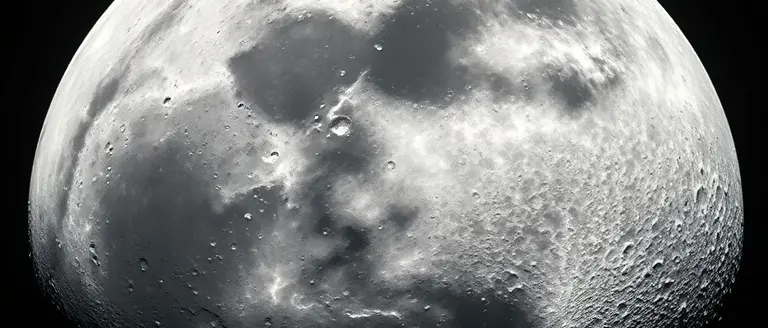
When asking when is the next full moon, skywatchers often focus on the visual impact of the event. In June 2026, the Strawberry Moon carries a unique designation: it is the final micro moon of the year. Unlike the more famous “supermoon,” a micro moon occurs when the full moon coincides with lunar apogee—the point in the moon’s elliptical orbit where it is farthest from Earth. Because the moon’s orbit is not a perfect circle, this distance fluctuates significantly, causing the lunar disk to appear slightly smaller and less bright than an average full moon.
Understanding the Lunar Cycle: Perigee vs. Apogee
To understand why this distinction matters, we must look at the mechanics of the lunar orbit. A supermoon happens during perigee, when the moon reaches its closest approach to Earth, resulting in a larger and more luminous appearance. Conversely, the June 2026 micro moon represents the opposite extreme:
- Lunar Perigee: The moon reaches its closest proximity to Earth, potentially appearing up to 14% larger and 30% brighter than at its farthest point.
- Lunar Apogee: The moon reaches its maximum distance from Earth, causing it to appear smaller in the night sky.
- Visual Nuance: While the term “micro moon” sounds dramatic, the actual difference in size is subtle to the naked eye. However, for amateur astronomers and photographers, the distinction is vital for planning observation sessions.
Because the June full moon aligns closely with its apogee, it offers a distinct contrast to the supermoons that dominate headlines throughout the rest of the year. By identifying this as the year’s final micro moon, we provide clarity for those tracking lunar cycles, ensuring that observers understand exactly what to expect when they look upward toward the end of June.
Frequently Asked Questions: Lunar Timing and Terminology
Why do dates for the full moon vary by source?
The confusion regarding when is the next full moon often stems from the use of Coordinated Universal Time (UTC) versus local US time zones. Because lunar events occur at a precise, singular moment globally, a moon reaching peak illumination late in the evening for Eastern Standard Time (EST) may technically occur in the early morning hours of the following day in UTC. Reputable sources like NASA and the U.S. Naval Observatory calculate these events based on absolute time, but local outlets often convert these to domestic time zones. If you see two different dates for the Strawberry Moon, it is likely due to this time zone offset rather than a discrepancy in scientific data. Always check if your source is referencing your local time or UTC.
Does the moon look full the night before?
For the casual observer, the moon will appear full to the naked eye for approximately three days centered around the peak date. This period includes the night before and the night after the astronomical peak. While the moon is technically 100% illuminated only for a brief moment, the difference in illumination between 98% and 100% is nearly imperceptible to the human eye. If you are planning to photograph the June 2026 Strawberry Moon, the night before often offers an excellent viewing window while the moon is slightly lower on the horizon, which can provide a dramatic visual scale against the landscape.
What defines the Strawberry Moon and Micro Moon?
The Strawberry Moon is a traditional name for the full moon in June, popularized by the Old Farmer’s Almanac to signal the peak ripening of wild strawberries in North America. Furthermore, the June 2026 event is distinguished as a micro moon. This phenomenon occurs when the full moon coincides with apogee—the point in the moon’s orbit where it is farthest from Earth. Because the moon is at its furthest distance, it appears slightly smaller and dimmer in the night sky compared to a supermoon. Understanding these terms helps observers set realistic expectations for their lunar viewing experiences throughout the year.
Master Your Celestial Observations with Total Clarity
As we have explored, the discrepancy in timing for the June 2026 Strawberry Moon often stems from the transition of UTC time into our four major U.S. time zones. By relying on our standardized conversion table, you can now pinpoint exactly when to step outside and catch the final micro moon of the year without the stress of conflicting online reports. However, we know that parsing through astronomical data, time zone conversions, and complex scientific reports can often be mentally taxing.
While our Universal US Moon Guide clears up the confusion surrounding the Strawberry Moon’s timing, decoding complex celestial schedules can still be taxing on your mental bandwidth. This is where The Brain Song becomes an essential partner in your research. We designed this tool specifically to help you combat the brain fog that often arises when trying to synthesize large amounts of conflicting information, allowing you to remain sharp, focused, and fully present for the events you care about most.
By optimizing your cognitive performance, The Brain Song helps you move past the fatigue of deep-dive research, turning what could be a confusing chore into a clear, energized experience. Whether you are tracking the cosmos or managing daily complexities, our formula is designed to keep your mind operating at its peak potential. It is the natural next step for anyone who refuses to let mental clutter dim their view of the world.
 Optimize your cognitive performance for your next deep-dive research project with The Brain Song.Sharpen My Focus Today!