
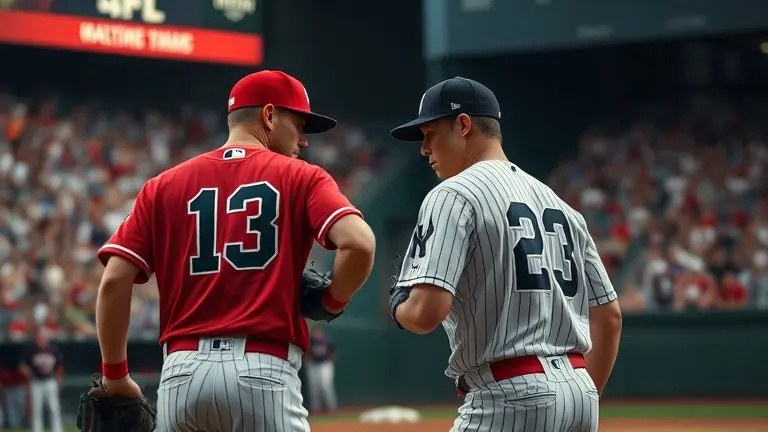
When the Cincinnati Reds squared off against the New York Yankees on June 20, 2026, the baseball world witnessed more than just a box score disparity; it saw a masterclass in exploiting a pitcher’s moment of vulnerability. Yankees starter Will Warren, typically a beacon of consistency with a 3.47 ERA, found himself unraveled during a pivotal sixth-inning collapse. The surge was catalyzed by Reds third baseman Sal Stewart, whose calculated aggressiveness transformed a standard high-stakes matchup into a ten-run offensive explosion. This wasn’t merely a string of bad luck for the Yankees; it was a tactical breakdown that demands a deeper look at how momentum shifts in elite professional sports.
For fans and fantasy managers alike, the narrative of this series goes far beyond the final tally. It invites an essential conversation about the thin margin between peak performance and cognitive overload. When a pitcher like Warren faces an aggressive lineup, the ability to maintain composure, reset after a mistake, and execute under pressure is what separates the perennial All-Stars from those who falter when the stakes reach their peak.
The June 20 Breakdown: How the Reds Exploited the Yankees’ Sixth-Inning Collapse
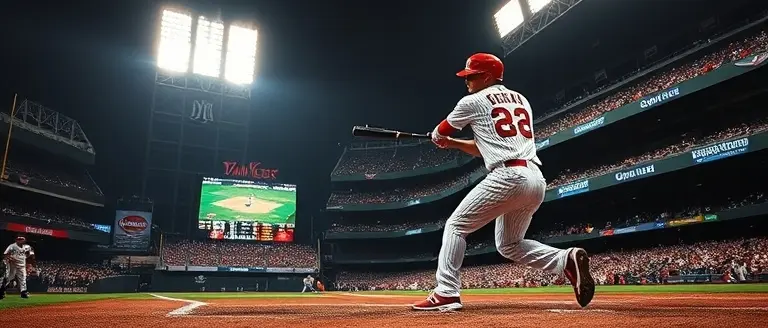
The reds vs yankees series reached a fever pitch on June 20, 2026, when a previously disciplined Will Warren experienced a tactical unraveling that cost the Yankees the game. Entering the sixth inning, Warren had maintained a respectable 3.47 ERA, showing poise against early-game threats. However, the Cincinnati offense, spearheaded by Sal Stewart and Spencer Steer, identified a critical vulnerability in the right-hander’s pitch sequence as he approached his pitch count limit. The subsequent 10-run surge was not merely a result of poor pitching but a masterclass in aggressive plate discipline by the Reds.
Tactical Shifts and Pitching Failures
The breakdown began when Warren struggled to command his slider, hanging several breaking balls that Stewart capitalized on with precision. Rather than swinging at marginal pitches, the Reds’ lineup forced Warren into high-leverage counts, specifically attacking his four-seam fastball once the secondary offerings lost their bite. Key observations from the rally include:
- Patience at the Plate: Stewart and Steer consistently took pitches early in counts, forcing Warren to challenge them over the heart of the plate.
- Targeting the Sequence: After the first few hits, Warren’s tendency to revert to predictable “pitch-to-contact” patterns became evident, allowing the Reds to sit on specific zones.
- The Momentum Pivot: Once the lead-off hitters established pressure, the Yankees’ bullpen failed to provide immediate relief, allowing the Reds to balloon their total to double digits in a single frame.
This game serves as a crucial case study for young pitchers like Will Warren, who must learn to adjust their release points when fatigue sets in. For Sal Stewart, this breakout performance underscores his growing influence as an elite offensive threat in the National League. For fantasy managers and bettors, the event highlighted the importance of monitoring situational usage and the tendency for high-ERA swings when starters are pushed beyond their tactical thresholds in high-intensity matchups.
Player Spotlight: Sal Stewart’s Rising Stock and Elite Plate Discipline

The June 20, 2026, showdown between the Cincinnati Reds and the New York Yankees served as a definitive breakout moment for third baseman Sal Stewart. While the series was heavily anticipated due to the clash of two storied franchises, it was Stewart’s tactical dismantling of Will Warren that captured the attention of scouts and fantasy managers alike. Stewart demonstrated a sophisticated approach at the plate, refusing to chase pitches outside the zone while punishing mistakes in high-leverage situations. His ability to identify Warren’s secondary offerings early allowed him to anchor a 10-run offensive surge, turning a tight contest into a statement win for the Reds.
Analytical Breakdown: Plate Discipline and Situational Awareness
Stewart’s performance against the Yankees was not merely a product of luck; it was the result of refined plate discipline that has been trending upward all season. By forcing Warren to work deep into counts, Stewart successfully compromised the pitcher’s rhythm, eventually leading to the sixth-inning collapse that defined the game. Advanced metrics indicate that Stewart’s contact rate on high-velocity pitches has improved significantly, suggesting a pivot toward a more aggressive, high-contact profile.
Key takeaways for fantasy sports enthusiasts and analysts include:
- Elite Pitch Recognition: Stewart showed advanced capability in laying off pitches just off the plate, forcing Warren to challenge him in the zone.
- High-Leverage Efficiency: His ability to drive in runs during the Reds vs Yankees series underscores his potential as a primary run producer in middle-of-the-order lineups.
- Rising Fantasy Utility: As an asset, Stewart is transitioning from a developmental prospect to a reliable utility player, offering consistent production that appeals to those managing deep-league rosters.
Evidence suggests that Stewart’s preparation, specifically his detailed study of pitchers like Warren, is paying dividends. If he maintains this disciplined approach, he is well-positioned to remain a focal point of the Cincinnati offense, offering significant long-term value for those tracking his trajectory in the second half of the season.
Pitcher Analysis: Will Warren and the Challenges of Aggressive Lineups

The reds vs yankees series served as a harsh litmus test for Will Warren, whose steady 3.47 ERA prior to the outing suggested a level of reliability that evaporated during the June 20, 2026, contest. While Warren has showcased high-tier command throughout the season, the sixth-inning meltdown highlighted a specific vulnerability in his pitch mix when facing hyper-aggressive lineups. Data indicates that Warren thrives when he can sequence off his primary arsenal to induce weak contact; however, against the Reds, his inability to adjust to early-count swinging allowed hitters to dictate the pace of the at-bat. When opponents prioritize aggressive hacks at first-pitch strikes, Warren’s efficiency drops significantly, as his secondary offerings often fail to elicit the same chase rates he relies on to put hitters away.
Tactical Vulnerabilities and Exit Velocity Trends
The offensive surge led by Sal Stewart provided a blueprint for future opponents looking to exploit Warren’s recent trajectory. By jumping on pitches early, the Reds forced Warren into the middle of the plate, resulting in a spike in average exit velocity. Fantasy baseball analysts and bettors should note the following concerning trends from his recent performance:
- Zone Command Decay: As Warren approaches the 80-pitch threshold, his lateral movement on breaking balls has shown signs of flattening, making him prone to hard-hit line drives.
- Early-Count Aggression: Teams that employ an aggressive approach against Warren have successfully neutralized his ability to work deep into games, forcing him to lean on his fastball when he is most fatigued.
- Sequencing Predictability: Evidence suggests that Warren’s reliance on specific patterns allowed hitters like Stewart to sit on his preferred location, contributing to the substantial run support the Reds generated.
Moving forward, Warren’s ability to remain a staple in the rotation will depend on his capacity to diversify his pitch sequencing when his primary velocity is targeted. For bettors and fantasy managers, Warren represents a high-variance asset; while his underlying mechanics remain sound, his current susceptibility to aggressive, contact-oriented teams necessitates a more cautious valuation in high-stakes matchups.
Data-Driven Trends: What the Reds-Yankees Series Means for Fantasy Managers

The June 2026 reds vs yankees series served as a definitive reality check for fantasy managers relying on New York’s pitching rotation. Specifically, the June 20 matchup highlighted significant vulnerabilities in Will Warren when faced with high-contact, aggressive lineups. For fantasy owners, Warren’s sixth-inning “meltdown” wasn’t just a singular bad outing; it exposed potential fatigue or a lack of secondary-pitch confidence when runners reach base. With his season ERA jumping following the Reds’ 10-run surge, managers should closely monitor his WHIP over the next two starts before committing to him in high-stakes weekly matchups.
Conversely, the breakout performance by Sal Stewart has vaulted him into “must-start” territory for deeper leagues. Stewart’s ability to punish pitches in the zone—evidenced by his surge in isolated power (ISO) during the series—suggests a maturation in his plate discipline. When paired with the consistent production of teammates like Spencer Steer, the Reds’ core is proving to be a high-upside stack against mid-tier starting pitching.
Key Fantasy Takeaways:
- Will Warren’s Regression: Monitor his wOBA against metrics; if he continues to struggle with command after the fifth inning, he becomes a high-risk candidate for “sit” decisions in favorable hitting environments.
- Sal Stewart’s Value: Stewart’s recent success against major league-level velocity confirms his fantasy ceiling. He is currently an ideal “buy-low” or waiver-wire priority for managers needing corner-infield production with multi-category upside.
- Aggressive Lineup Matchups: The Reds’ tactical approach against Warren serves as a blueprint for scouting upcoming matchups. Fantasy managers should target lineups that demonstrate high contact rates when facing “pitch-to-contact” starters like Warren, as the potential for multi-run rallies is statistically significant.
Ultimately, the data from this series underscores the importance of situational metrics over raw ERA. Managers who pivot based on these granular trends will find a distinct advantage in managing their 2026 rosters.
Mastering the Mental Game
The collapse on June 20th serves as a stark reminder that even the most talented athletes are susceptible to the psychological toll of high-leverage situations. Much like a pitcher struggling to maintain focus during an aggressive offensive surge, even the most elite athletes face moments of cognitive overload that impact their performance on the mound. When the pressure mounts, the ability to sustain mental clarity is just as vital as the velocity on a fastball.
This is where The Brain Song becomes an essential tool for those looking to sharpen their edge. By supporting cognitive resilience and sustained focus, it helps high-performers avoid the mental fog and decision-making lapses that lead to game-changing errors. Whether you are analyzing sports at a high level or striving for excellence in your own profession, the ability to maintain peak cognitive function during high-stress windows is the ultimate differentiator.
Optimize your own mental performance and sharpen your focus like an elite athlete—discover how The Brain Song can improve your cognitive clarity today.
 Optimize your own mental performance and sharpen your focus like an elite athlete—discover how The Brain Song can improve your cognitive clarity today.Yes, I Want This Now!