
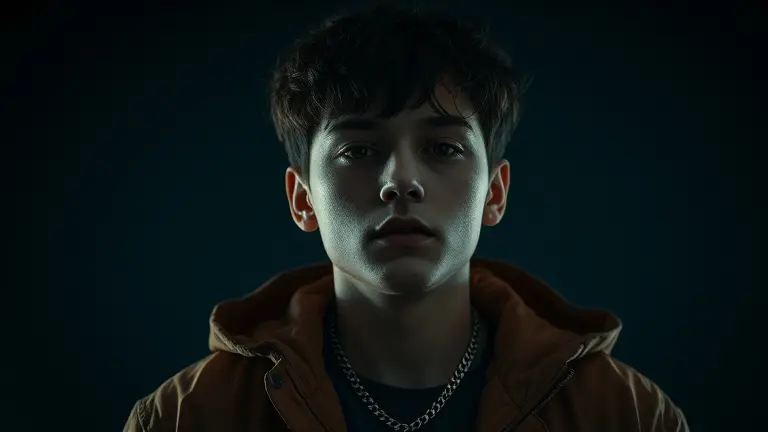
Over the past few days, the internet has been set ablaze by viral reports claiming that eccentric pop-alternative star Oliver Tree tragically died in a helicopter crash in Rio de Janeiro, Brazil. As the rumor mill churns on platforms like TikTok and Facebook, millions of fans are left scrambling to find the truth behind the supposed accident and its impact on the singer’s chart-topping career. The confusion is palpable, creating a storm of speculation that blurs the lines between reality and digital fabrication.
However, before you accept these harrowing reports at face value, it is essential to consider the source—and the subject. Oliver Tree is not just a musician; he is a master of performance art known for orchestrating elaborate, surreal publicity stunts that challenge his audience’s perception of what is real. In an era where deepfakes and clickbait death hoaxes are rampant, investigating whether is Oliver Tree dead requires a sharp, skeptical eye and a firm grasp on the artist’s history of intentional misinformation.
Addressing the Rumors: Is Oliver Tree Really Dead?

If you have been searching for “is Oliver Tree dead,” you have likely encountered a flood of alarming claims circulating across social media platforms like TikTok, Facebook, and various viral content aggregators. As of June 14, 2026, reports suggesting that the musician died in a helicopter crash in Rio de Janeiro are completely unverified. Despite the viral nature of these posts, there has been no official statement from the artist’s management team, his verified social media accounts, or reputable, established news organizations. These rumors appear to be part of a coordinated misinformation campaign, often seen in modern celebrity death hoaxes.
Separating Fact from Viral Fiction
It is important to approach these claims with extreme skepticism. The narrative currently circulating—which alleges a tragic accident at age 32—mirrors the structure of many past internet hoaxes designed to drive traffic and manipulate search engine trends. To stay informed and avoid spreading misinformation, consider the following points:
- No Official Confirmation: Legitimate news outlets would cover a tragedy of this magnitude extensively. The absence of reports from primary news sources is a red flag.
- The “Troll” Persona: Oliver Tree is widely recognized for his elaborate, performance-art-driven public persona. He has a documented history of blurring the lines between fiction and reality to promote his music or generate internet buzz.
- Platform Responsibility: Much of the misinformation originates from unverified pages on Facebook and rapid-fire video content on TikTok, neither of which are primary sources for breaking news.
- Contextual Analysis: Fans discussing the artist’s legacy, his past collaborations with figures like Melanie Martinez, or his chart-topping hits like “Life Goes On” should prioritize verified updates over speculative threads.
Until credible, evidence-based verification is provided by authorized representatives, these claims regarding what happened to Oliver Tree should be treated as entirely false. In an era where digital content can be manipulated for clout, verifying information through official channels remains the only way to ensure you are receiving the truth about your favorite artists.
Oliver Tree’s History of Elaborate Internet Hoaxes
To understand why the internet is currently asking is Oliver Tree dead, one must first understand his long-standing commitment to performance art that pushes the boundaries of reality. Throughout his career, the singer of “Life Goes On” has cultivated a persona that thrives on chaos, absurdity, and meticulously staged controversies. By intentionally blurring the lines between his actual life and his curated online narrative, he has become a frequent target—and often the architect—of viral misinformation campaigns. For those familiar with his history, these reports of a helicopter crash in Brazil feel less like a tragic news event and more like a high-concept marketing stunt designed to generate intense public engagement.
The Art of the Viral Stunt
Oliver Tree’s brand is built upon the subversion of industry norms. His career is punctuated by elaborate hoaxes that keep his fan base in a constant state of uncertainty. Key elements of his performance art history include:
- Faked Retirements: He has repeatedly announced his “final” tours and departures from the music industry, only to return shortly after with new projects.
- Fabricated Conflicts: He frequently creates artificial tension with other high-profile figures, such as his documented “feuds” with Melanie Martinez, which are often performance-based.
- Absurdist Visuals: His music videos and social media presence often involve ridiculous stunts, eccentric costumes, and surreal scenarios that defy logic.
Because he has normalized such bizarre behavior, the current rumors surrounding his supposed death are viewed with extreme skepticism by seasoned fans. While outlets might share sensationalized stories, there is currently no official confirmation from his management team or credible, verified news sources to substantiate the claims. Ultimately, the artist uses the ambiguity of the internet to his advantage, turning the question of what happened to Oliver Tree into another chapter of his ongoing, meta-commentary on fame. Until verified, this latest narrative serves as a reminder that with Oliver Tree, the most “real” moments are often the most carefully scripted illusions.
The Impact of Viral Misinformation on Celebrity Narratives

The rapid spread of the rumor asking is Oliver Tree dead serves as a case study in how misinformation exploits digital algorithms on platforms like TikTok and Facebook. When sensationalized claims—such as the unsubstantiated helicopter crash in Brazil—begin to circulate, they bypass traditional editorial gatekeeping, creating a “truth vacuum” that fans and casual observers are eager to fill. This phenomenon is often fueled by the psychological urge for “first-to-know” status, which incentivizes users to share unverified reports without consulting official management or reputable news outlets.
Metrics and the Mirage of Mortality
The impact of these death hoaxes extends well beyond social media discourse, significantly affecting digital metrics and the perception of an artist’s career trajectory. When rumors regarding how did Oliver Tree die go viral, there is often a measurable, albeit artificial, spike in streaming activity for tracks like ‘Life Goes On’. This “death-related surge” creates a complex feedback loop:
- Algorithmic Amplification: Increased search traffic and streaming spikes trigger platform algorithms to push content further, making misinformation appear legitimate to the casual scroller.
- Economic Exploitation: Secondary markets, such as those discussed on platforms like Reddit, often see a surge in scalping and inflated pricing for artist merchandise, fueled by the panic surrounding the perceived finality of the artist’s career.
- Distortion of Legacy: The proliferation of such claims forces artists into a reactive state, often requiring them to break character or abandon elaborate performance art—such as the enigmatic personas often adopted by Oliver Tree—to issue mundane, reality-based clarifications.
Ultimately, the susceptibility of the public to these narratives reflects an era where the lines between performance art and reality are increasingly blurred. When an artist is known for eccentric behavior, the audience is conditioned to expect the unexpected, making it difficult to distinguish between a calculated PR stunt and a genuine tragedy. Until confirmed by primary sources, these viral narratives remain speculative, illustrating the fragile nature of digital reputation in the age of viral misinformation.
How to Verify Celebrity News Before Sharing

In an era where misinformation spreads faster than truth, determining is Oliver Tree dead or if a similar celebrity tragedy is unfolding requires a disciplined approach to information consumption. Viral claims, particularly those originating on platforms like TikTok or Facebook, often prioritize engagement over accuracy. Before reacting to or sharing inflammatory headlines regarding an artist’s passing, consider these essential verification steps to avoid falling victim to an elaborate hoax:
Consult Trusted Legacy Outlets
Always verify major breaking news through established, reputable news organizations such as CNN, the BBC, or Reuters. These agencies have strict editorial standards and fact-checking protocols that social media aggregators lack. If a celebrity of Oliver Tree’s stature were involved in a fatal helicopter crash, every major global news network would be covering the story simultaneously. If your search results only return niche social media pages or questionable websites, the report is almost certainly fabricated.
Analyze Official Communication Channels
An artist’s verified social media accounts (typically marked with a blue check) or their official management company are the primary sources for confirming life-altering news. In the case of Oliver Tree, his history of performance art and viral “trolling” suggests that fans should look for official press releases rather than unverified blog posts. If his management team has not issued a statement, treat the claim as a marketing stunt or a malicious hoax.
Recognize the Signs of an Internet Hoax
To protect yourself from participating in the spread of misinformation, look for these common red flags:
- Missing Sources: The report cites “anonymous sources” or links to broken, unverified, or circular references.
- Emotional Baiting: The content uses sensationalist language designed to trigger an immediate, panicked response.
- Lack of Local Confirmation: Claims of international tragedies—such as incidents in Rio de Janeiro—should be corroborated by local authorities or credible local news outlets in that region.
- Pattern of Behavior: When an artist frequently blurs the lines between reality and fiction, assume the “news” is a planned narrative until proven otherwise by objective, third-party verification.
By applying these rigorous standards, you contribute to a more informed online community and ensure that your engagement remains based on facts rather than manufactured drama.
Clear Your Mind from Digital Chaos
As we have dissected, the claims surrounding Oliver Tree’s demise are almost certainly another layer of his complex, meta-commentary on celebrity culture and internet gullibility. When you navigate the digital landscape, it is easy to fall into a state of cognitive overload, where the sheer volume of misinformation leaves you feeling drained and mentally foggy. Chasing down viral hoaxes isn’t just a waste of time; it actively clouds your ability to think critically about the information you consume daily.
While investigating these elaborate internet personas can leave you feeling mentally drained and confused, it is essential to keep your own cognitive focus sharp and clear. This is where The Brain Song becomes your most vital tool. By utilizing neuroscience-based auditory stimulation, it serves as a powerful antidote to the digital noise that keeps your mind stuck in a state of reaction rather than reflection. It provides the mental clarity needed to cut through the confusion, allowing you to reclaim your autonomy from the fast-paced, click-driven culture that often tries to manipulate your emotions.
Reclaiming your focus is the first step toward breaking free from the constant cycle of internet misinformation. By integrating a structured, scientific approach to your mental state, you can effectively silence the static and regain the cognitive power required to distinguish fact from fiction. It is time to stop letting the algorithm dictate your peace of mind and start investing in your own mental optimization today.
 Reclaim your focus and clear the mental fog from today’s digital chaos; start your 12-minute daily routine with The Brain Song now.Yes, I Want This Now!