
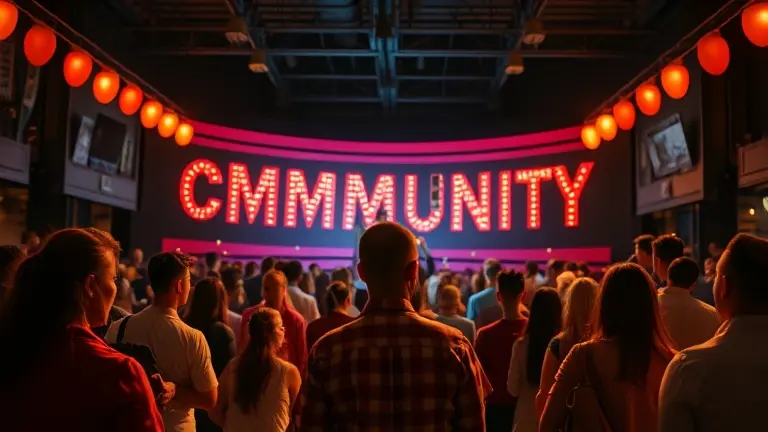
From local theater productions and art showcases to neighborhood civic initiatives, the term community show has become a rallying cry for grassroots engagement across the country. Whether you are aiming to revitalize a local library space, curate an outdoor exhibition, or host a post-holiday parade, the true heart of any successful event lies in the ability to bring people together around a shared vision. However, translating that vision into a tangible reality often feels like an overwhelming logistical puzzle for organizers who are passionate about their mission but limited by tight budgets and minimal resources.
Successfully orchestrating a community event requires more than just good intentions; it demands the right physical infrastructure to ensure safety, professionalism, and lasting impact. Many organizers struggle with the ‘how-to’ of creating effective stages, event signage, and interactive displays that elevate their local gathering from a simple meeting into a professional-grade experience. By focusing on the essential technical foundations of event production, you can overcome the common pitfalls of event planning and create a memorable environment that truly strengthens the fabric of your local community.
Understanding the Diverse Context of ‘Community Show’ in 2026
In the landscape of 2026, the term “community show” functions less as a singular, viral media trend and more as a multifaceted linguistic anchor for localized activity. Rather than representing a specific television production or national event, the phrase appears consistently across various grassroots sectors, reflecting a broader surge in community engagement and civic pride. When users search for this term, they are frequently encountering hyper-local narratives that define the character of their specific neighborhood or municipality.
Fragmented Applications and Local Intent
The lack of a unified national definition for a “community show” is primarily due to its versatility. Evidence from mid-2026 highlights several distinct categories where this term carries significant weight:
- Municipal and Civic Initiatives: Local government projects, such as library development campaigns, utilize the term to describe public forums where citizens can view project renderings and participate in discourse.
- Performing Arts and Theater: Regional groups, such as the Asheville Community Theatre, define the term through small-scale artistic productions, talent showcases, and collaborative exhibitions.
- Cultural Celebrations: Following the mid-June window, the phrase is frequently associated with Juneteenth parades and cultural festivals that emphasize communal unity and history.
- Grassroots Advocacy: Often functioning as a call-to-action, the term encourages residents to “show up” for their peers, highlighting the importance of physical presence in local support systems.
For those navigating this landscape, it is essential to prioritize local intent over national search trends. Because the “community show” phenomenon is essentially decentralized, the value lies in identifying how these small-scale, locally-produced contents foster deeper connections. Whether you are seeking to launch a local theatrical project or participate in municipal decision-making, the common thread is the power of proximity. By shifting focus toward local event participation and active civic membership, residents can effectively leverage these opportunities to build stronger, more resilient neighborhoods across the United States.
How to Effectively Organize and Promote Local Events
Organizing a successful community show—whether it is a local theater production, an art gallery exhibition, or a civic engagement forum—requires a strategic blend of logistical planning and grassroots outreach. The foundation of any impactful event lies in venue selection and accessibility. When choosing a location, prioritize spaces that are central to your target demographic and meet ADA compliance standards. An accessible venue ensures that every resident, regardless of physical ability, feels invited to participate in your local initiative. Once the venue is secured, the focus must shift to community engagement strategies that foster a sense of shared ownership among neighborhood stakeholders.
Strategic Promotion and Neighborhood Outreach
To maximize attendance and impact, you must move beyond generic social media posts and lean into authentic, human-centered communication. Evidence suggests that local events gain the most traction when they are integrated into the existing fabric of neighborhood life. Consider the following tactics for driving attendance:
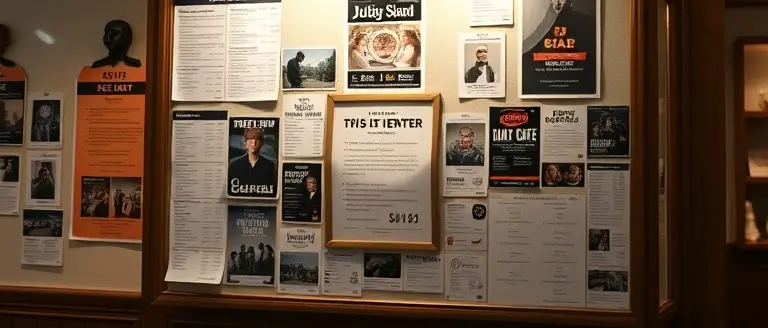
- Utilize Physical Community Boards: Place high-quality flyers in libraries, local coffee shops, and town halls. These spaces act as hubs for residents actively seeking local participation.
- Leverage Hyper-Local Partnerships: Collaborate with neighborhood associations or local school districts to cross-promote your event. This provides immediate credibility and taps into established mailing lists.
- Digital Grassroots Advocacy: Rather than relying solely on paid ads, encourage community leaders and artists to share event updates through their personal networks to generate organic buzz.
By treating every community show as a collaborative endeavor rather than a top-down broadcast, you significantly increase the likelihood of fostering long-term interest. Focus on clear, consistent messaging regarding the purpose of your event—be it artistic expression or civic dialogue—to ensure that your outreach resonates with the specific values and needs of your local audience. Maintaining this focus on utility and inclusion is the hallmark of a truly successful local production.
Boosting Civic Participation Through Grassroots Engagement
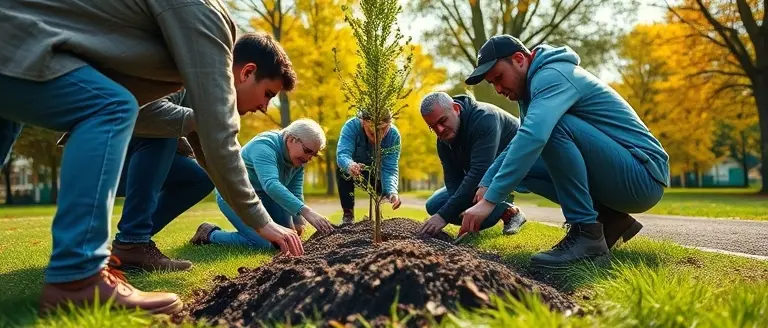
True community engagement transcends passive observation; it requires active, consistent participation in the local systems that define our daily lives. While the term community show is often used to describe hyper-local artistic performances or municipal library initiatives, the underlying intent for most residents is to find meaningful ways to “show up” for their neighbors. By shifting from a consumer mindset to a participant mindset, individuals can bridge the gap between fragmented local events and a cohesive, vibrant neighborhood culture. Evidence suggests that when residents commit to localized civic and cultural involvement, social capital increases, leading to more resilient and connected urban and rural environments alike.
To effectively foster grassroots engagement, consider these actionable strategies for participating in your local area:
Cultivating Local Connectivity
- Support Municipal Projects: Regularly attend city council meetings or library board sessions to provide feedback on proposed infrastructure, such as the public library campaigns currently trending in regions like Lincoln.
- Participate in Cultural Parades: Join organizing committees for events like Juneteenth celebrations or local parades, which serve as essential catalysts for cross-demographic interaction.
- Leverage Local Theater: Volunteer your time or attend a community show at regional playhouses. These venues are often the heartbeat of local storytelling and require consistent attendance to remain sustainable.
- Direct Advocacy: Instead of waiting for a formal event, proactively contact your local representatives to inquire about volunteer opportunities in upcoming public works or neighborhood beautification projects.
By prioritizing these pathways, you contribute to a stronger social fabric. Whether you are advocating for public resources or supporting a small-scale artistic performance, your presence is the most powerful tool for ensuring the longevity and health of your immediate community. Engaging at this level transforms the concept of a community from a mere location into a shared, dynamic experience.
Best Practices for Hyper-Local SEO and Event Visibility
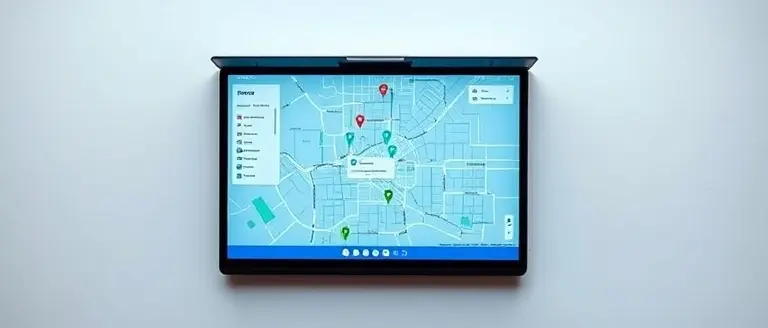
Effectively promoting a community show requires a shift from broad digital marketing tactics toward high-intent, hyper-local search strategies. Because the phrase “community show” is fragmented across various sectors—ranging from community theater productions to civic initiatives and post-Juneteenth celebrations—organizers must provide clear, geographic context to ensure their event appears for the right local audience. Search engines prioritize relevance based on location; therefore, your digital footprint must be explicitly tied to your specific municipality or neighborhood.
Optimizing Your Digital Presence for Local Discovery
To capture traffic for your grassroots event, you must establish a centralized hub that serves as the primary source of truth for potential attendees. Relying solely on social media event pages often limits your reach, as these platforms are frequently closed off to search engine crawlers. Instead, implement the following local SEO tactics:
- Dedicated Landing Pages: Create a specific URL for each event. Ensure the page title and metadata include the event name, the city, and the specific date.
- Google Business Profile (GBP): If your organization has a physical location, use the “Updates” feature on your GBP to post details about your community show. This signals to Google that your event is a relevant local occurrence.
- Schema Markup: Utilize Event Schema (JSON-LD) on your website. This allows search engines to pull your event date, location, and ticket information directly into search results, increasing your visibility in Google’s event rich snippets.
- Local Backlink Strategy: Partner with local news outlets, neighborhood blogs, or municipal websites. When these established local domains link back to your event page, it significantly boosts your “local authority,” helping you rank higher when residents search for “things to do” or “community events near me.”
By treating your event as a structured entity rather than just a social media post, you ensure that searchers find the precise, localized information they need. This tactical approach turns ambiguous search queries into measurable community engagement and higher attendance rates for your local production or initiative.
Building the Backbone of Your Community Event
Hosting a community show is a labor of love that serves as the heartbeat of local culture. Yet, when the excitement of the planning phase fades, the reality of building stages, booths, and signage can stall even the most motivated organizers. While your project is a grassroots effort, you don’t need to reinvent the wheel when it comes to the technical infrastructure required to house your event. Bridging the gap between a big vision and a functional venue is often the hardest hurdle for local leaders to clear.
This is where Ted’s Woodworking becomes your most valuable partner. By providing 16,000 professional, step-by-step building plans, this resource eliminates the trial-and-error often associated with event construction. Whether you need to build modular staging for a theater performance or durable, professional-grade displays for a civic exhibition, you gain the technical certainty to build high-quality assets on a community-level budget. It transforms the abstract concept of your event into a tangible, professional reality, allowing you to focus on the community engagement that matters most.
Don’t let construction worries prevent your vision from coming to life. Equip your team with the right blueprints to create a professional, safe, and inspiring space for your participants.
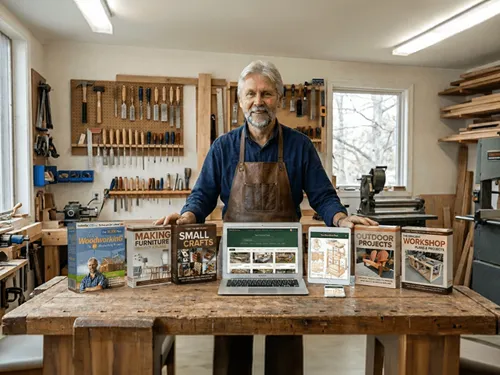 Download these workshop-tested plans to build your community theater’s staging and event displays with technical certainty.Yes, I Want to Build My Community Show!