

When the whistle blew at Arrowhead Stadium on June 20, 2026, the world expected a routine display of South American dominance from Ecuador. Instead, the Group E fixture against Curaçao transformed into an instant classic of defensive resolve. In a 0-0 draw that will be remembered for generations, Curaçao did more than just survive; they secured their first-ever World Cup point through a display of tactical discipline that left thousands of fans in disbelief. At the heart of this underdog fairytale stood goalkeeper Eloy Room, whose extraordinary 15-save performance turned the pitch into an impenetrable fortress.
This wasn’t just luck; it was a masterclass in sustained mental acuity under immense pressure. While many focus on the ‘how to watch’ statistics, the true story lies in the psychological battle waged on the turf. How does a team hold focus for 90 grueling minutes against relentless offensive waves? The answer lies in the neuroscience of elite concentration—a peak mental state that allowed Room to process split-second movements as if the game were unfolding in slow motion.
A Historic Stalemate: Ecuador and Curaçao’s Unforgettable Clash at Arrowhead
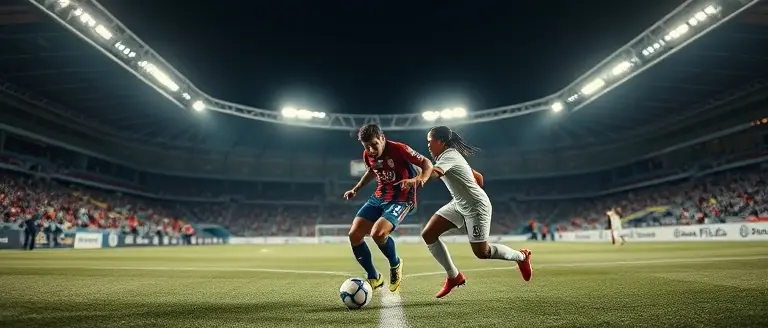
The ecuador vs curaçao fixture on Saturday, June 20, 2026, at Arrowhead Stadium will be remembered as one of the most compelling narratives of the FIFA World Cup group stage. While many analysts predicted a straightforward victory for Ecuador, the match unfolded into a tactical deadlock that defied pre-match betting odds and expectations. This historic 0-0 draw at GEHA Field provided Curaçao with their first-ever World Cup point, a monumental milestone that shifted the competitive landscape of Group E. For a nation making its presence felt on the global stage, the result was more than just a scoreline—it was a testament to grit, discipline, and a collective defensive resolve.
Tactical Resilience and the Underdog Spirit
The defensive masterclass displayed by the Curaçao squad showcased the beauty of tournament football, where structured defensive organization can neutralize technical superiority. Ecuador controlled the lion’s share of possession, probing the final third with intensity, yet they repeatedly found themselves frustrated by a compact, low-block formation. Key aspects of this defensive performance included:
- Goalkeeping Heroics: The match was defined by Eloy Room, who recorded an incredible 15 saves, effectively putting on a clinic in shot-stopping and positioning.
- Compact Defensive Shape: The team maintained a rigid structure that minimized space between the lines, forcing the Ecuadorian attack to settle for low-percentage shots from distance.
- Historical Significance: By securing this draw, Curaçao firmly cemented their role as the tournament’s ultimate spoiler, creating immediate ripples across the Ecuador world cup qualification path.
The aftermath of this clash has left observers questioning the long-term outlook for Group E. While Ecuador remains a favored contender, their inability to break through a resilient defensive side highlights potential vulnerabilities that future opponents may look to exploit. Conversely, the curacao vs ecuador match serves as a blueprint for underdogs aiming to make history, proving that even against established footballing nations, a disciplined tactical setup can turn a high-stakes match into a defining, career-affirming performance for every player on the pitch.
The Wall of Willemstad: Eloy Room’s 15-Save Masterclass
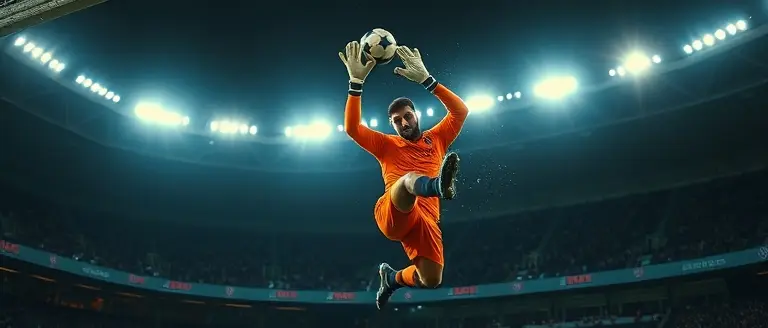
In the landscape of modern international football, few individual efforts have resonated as deeply as the display put on by Curaçao goalkeeper Eloy Room during the ecuador vs curaçao clash at Arrowhead Stadium. Facing a relentless Ecuadorian offensive, Room transformed into an impenetrable barrier, recording a staggering 15 saves to secure a historic 0-0 draw. This performance was not merely a product of luck; it was a masterclass in positioning, reactive agility, and psychological fortitude. By closing down angles early and forcing attackers into high-difficulty shots, Room systematically dismantled the rhythm of the Ecuador frontline, turning their frustration into a tangible tactical advantage for the underdogs.
A Tactical Breakdown of Defensive Resilience
Room’s performance is being hailed as one of the greatest goalkeeping feats in World Cup history, primarily due to his ability to remain composed under constant pressure. His technical approach throughout the match highlighted several elite attributes:
- Shot-Stopping Mechanics: His lateral movement across the goal line allowed him to cover the far post consistently, neutralizing crosses that would have resulted in tap-ins.
- Command of the Box: Room effectively organized his defensive line, ensuring that second-ball opportunities were limited and preventing Ecuador from capitalizing on rebounds.
- Psychological Dominance: As the match entered the final 15 minutes, the body language of the Ecuadorian forwards shifted from confidence to visible hesitation, a direct result of Room’s “Wall of Willemstad” persona.
For Curaçao, earning their first-ever World Cup point in this fashion serves as a testament to the discipline implemented by their coaching staff. By holding the line against a technically superior squad, they have redefined their standing in Group E. Analysts observing the curacao vs ecuador match noted that Room’s performance provided the team with a necessary blueprint for survival, proving that a disciplined, low-block defensive structure—anchored by world-class goalkeeping—can successfully neutralize even the most potent World Cup offenses.
Tactical Breakdown: Why Ecuador Couldn’t Break the Curaçao Block
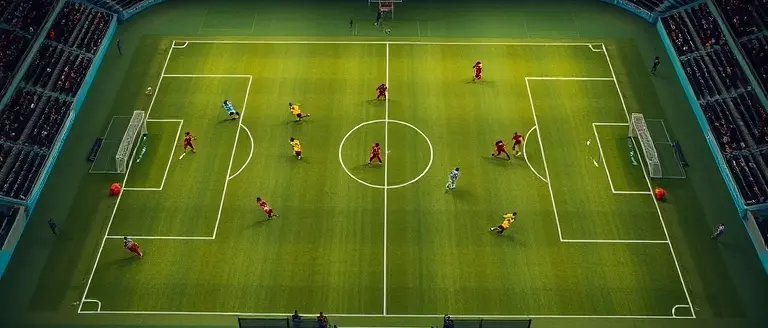
The ecuador vs curaçao clash at Arrowhead Stadium will be remembered as a masterclass in disciplined defensive organization. From the opening whistle, Curaçao implemented a rigid “low block” tactical setup, designed specifically to neutralize the attacking fluidity of the Ecuadorian side. By compressing the space between their defensive and midfield lines, Curaçao forced Ecuador to circulate the ball horizontally across the periphery rather than penetrating the heart of the penalty area. This defensive structure effectively minimized passing lanes and prevented Ecuador from exploiting the half-spaces, leading to a series of frustrated attempts from distance that rarely troubled the Curaçao goal.
The Anatomy of the Defensive Wall
Curaçao’s ability to sustain this defensive pressure for 90 minutes was anchored by a high-intensity, compact formation that left little room for error. Key tactical factors included:
- Compact Midfield Shape: Curaçao maintained a narrow two-line defensive shell, forcing Ecuador to rely on wide crosses that were easily cleared by a numerically superior aerial defense.
- Transition Discipline: Whenever possession was regained, Curaçao avoided long, hopeful clearances, instead opting for controlled, short-pass sequences to alleviate pressure on their backline.
- The Eloy Room Factor: As the final line of defense, Eloy Room delivered a historic 15-save performance. His positioning was immaculate, consistently cutting off angles and parrying shots into low-danger zones to prevent rebound opportunities.
Ecuador’s Final Third Struggles
For Ecuador, the match highlighted a persistent struggle to break down low-block opponents in high-stakes World Cup group stage environments. Despite dominating possession, the Ecuadorian attack appeared static. The lack of creative off-the-ball movement meant that once the ball reached the final third, options were limited to congested traffic. While Ecuador controlled the tempo, they failed to create high-probability “big chances,” ultimately proving that superior ball control is insufficient against a side fully committed to a structural shutout. This result now complicates the Group E qualification race, as teams must reassess how to dismantle the resilient defensive setups emerging in this tournament.
Group E Scenarios: The Road Ahead After the Arrowhead Draw
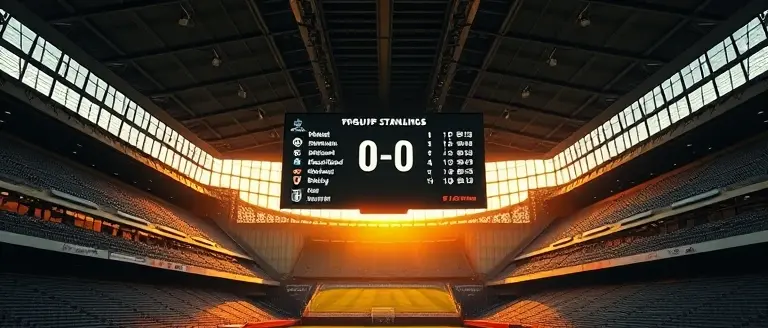
The historic 0-0 draw between Ecuador vs Curaçao at Arrowhead Stadium has sent shockwaves through Group E, completely recalibrating the qualification math for the 2026 FIFA World Cup. While Ecuador entered the match as heavy favorites, the “Curaçao Effect”—fueled by Eloy Room’s masterclass in goal—has transformed this group into a wide-open race. For Curaçao, securing their first-ever World Cup point is more than just a statistical milestone; it serves as a massive psychological boost that forces their remaining group opponents to respect their defensive structure.
The Math Behind the Group E Standings
This stalemate complicates the outlook for every team involved in the Curaçao world cup campaign. With only one point on the board, Ecuador now faces immense pressure to secure three points in their next fixture to avoid a precarious final-match situation. Conversely, the underdog narrative has shifted entirely in favor of the Caribbean side. To reach the knockout stages, teams must now account for the following tactical realities:
- Pressure on Favorites: Ecuador can no longer afford to experiment with their rotation; they must secure a victory to maintain control over their destiny.
- Defensive Reliability: Curaçao has proven that a low-block, goalkeeper-centric strategy can stifle high-intensity attacks, making them the “spoilers” of Group E.
- The Qualification Threshold: With the draw, the margin for error has vanished. Analysts suggest that four points might be the bare minimum for advancement, making every subsequent goal difference tally critical.
For Ecuador, the focus must shift toward clinical finishing after failing to convert 15 saves by Room into a goal. For their rivals, the blueprint for breaking down the Curaçao defense is now a primary area of study. As the tournament progresses, this result will likely be viewed as the definitive turning point that turned Group E into the most unpredictable bracket of the 2026 FIFA World Cup.
Master Your Focus to Achieve Elite Performance
The historic standoff between Ecuador and Curaçao serves as a powerful reminder that in the heat of competition—whether on the world’s biggest stage or in our own professional lives—victory is rarely a matter of raw strength alone. It is a product of absolute mental clarity, a state where distractions dissolve, and the mind locks onto the objective with unerring precision. Eloy Room’s performance wasn’t merely athletic; it was a cognitive triumph, proving that the brain, when properly conditioned, can transcend physical limitations.
Just as Room maintained his composure to secure a historic point, you can achieve that same level of ‘goalkeeper-level’ focus in your own daily routine. The Brain Song offers a unique, neuroscience-backed method to sharpen your mental faculties, enhance your learning capacity, and eliminate the mental fog that keeps you from reaching your true potential. By integrating this 12-minute auditory routine into your life, you are not just working harder; you are training your brain for the high-stakes performance that defines success in the modern world.
It is time to stop reacting to the pressures of your day and start dominating them with the clarity of an elite athlete. Elevate your cognitive game and experience the consistency that sets top performers apart from the rest of the pack.
 Unlock your own ‘goalkeeper-level’ focus and mental clarity; start your daily 12-minute auditory routine with The Brain Song today.Yes, I Want to Master My Focus Now!