
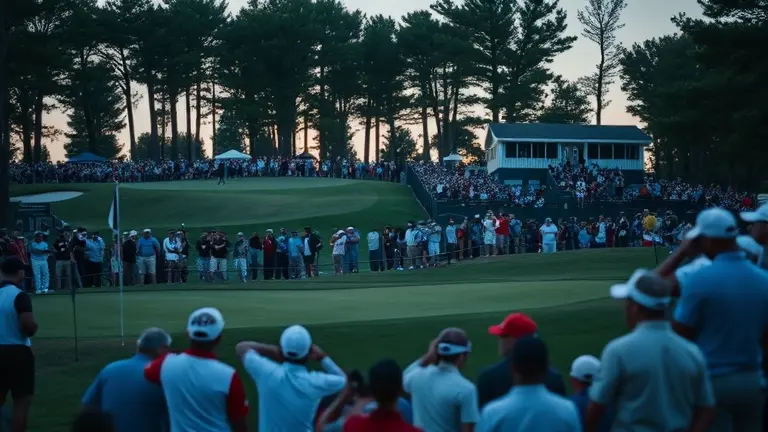
The 126th U.S. Open Championship at Shinnecock Hills has lived up to its brutal reputation, delivering a masterclass in pressure that has left the leaderboard in tatters. As the dust settles on the second round, the US Open 2026 cut line has become the graveyard of championship dreams. Fans watching the action unfold witnessed the swift, unforgiving exit of major stars like Bryson DeChambeau, whose struggles on the challenging Southampton greens proved that at a venue like Shinnecock, there is zero margin for error. The atmosphere is electric, charged with the disappointment of early exits and the intense speculation surrounding those who barely scraped through to the weekend.
For those tracking the bubble, the volatility of these two days is only the beginning. Navigating the statistical probabilities of which players will survive the weekend requires more than just a passing glance at a leaderboard. It demands a level of analytical precision that few possess, especially when the mental fatigue of tracking every swing, missed putt, and recovery shot begins to set in. As the championship moves into its final phases, the question isn’t just who will hoist the trophy, but who has the mental fortitude to endure the grueling conditions of a U.S. Open weekend.
The 2026 U.S. Open Cut Line: Drama at Shinnecock Hills
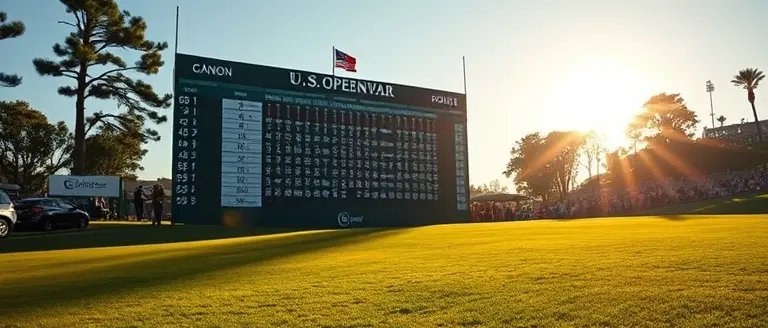
The 126th U.S. Open at the historic Shinnecock Hills Golf Club has officially moved past its most volatile phase as the second round concluded on June 20, 2026. With the US Open 2026 cut line now finalized, the field has been significantly thinned, leaving only the most resilient competitors to battle for the championship trophy over the weekend. The pressure at this iconic Southampton venue proved unforgiving, punishing errant tee shots and testing the mental fortitude of even the most decorated PGA and LIV Golf stars. As the dust settles, the leaderboard reflects a dramatic shift, separating those capable of navigating the course’s firm, undulating greens from those who fell victim to the tournament’s notoriously difficult setup.
Understanding the Tournament Threshold
The criteria for advancement were clear from the start: only the top 60 players and ties survived the cut. This rigorous standard ensured that only those demonstrating consistent, high-level performance throughout the first 36 holes moved forward. Fans tracking the event were met with constant shifts in the projected cut line as late-afternoon winds and worsening course conditions turned simple approaches into high-stakes gambles.
- Official Cut Rule: Only the top 60 golfers and those tied for the 60th position proceed to the weekend.
- Venue Impact: Shinnecock Hills continues to rank among the most challenging tests in golf, often forcing players into defensive strategies.
- Player Fallout: The high-profile exits have reshaped the weekend narrative, creating an open path for current leaders like Wyndham Clark to solidify their positions.
With the field set, the focus now shifts entirely to the final two rounds. While enthusiasts continue to search for who missed the cut at 2026 US Open, the attention of the golfing world has already transitioned toward the remaining contenders. For those who stayed above the line, the mission is singular: execute under pressure and survive the final push at one of the most demanding layouts in major championship history.
Shocking Eliminations: Who Missed the Cut at the 2026 U.S. Open?

The 126th U.S. Open at Shinnecock Hills Golf Club has lived up to its reputation as the ultimate test of patience and precision, claiming several high-profile casualties as the 2026 U.S. Open cut line officially solidified. With the top 60 players and ties advancing to the weekend, the margin for error was razor-thin. The most significant shock of the tournament came with the early exit of Bryson DeChambeau, whose aggressive ball-striking strategy failed to account for the treacherous fescue and firm, fast greens that have defined the Southampton venue this week. His inability to navigate the course’s notorious tactical demands serves as a stark reminder of why Shinnecock remains one of the most feared layouts in professional golf.
Beyond the headline-grabbing exit of DeChambeau, the leaderboard saw a collapse of several PGA and LIV Golf stars who entered the week with major expectations. The sheer difficulty of the setup, characterized by unpredictable coastal winds and unforgiving pin placements, caught many veterans off guard. The following list highlights key players who failed to survive the weekend threshold:
- Bryson DeChambeau: Struggled with iron dispersion and failed to recover from a disastrous front-nine sequence.
- Top-tier Contenders: Several major champions fell victim to the course’s narrow fairways, missing the cut by a margin of only one or two strokes.
- The Bubble Struggle: Numerous players fighting to secure their standing on the final holes of their second round succumbed to the immense pressure of the U.S. Open cut rules 2026.
This volatility underscores the difficulty of the 2026 venue. While some players managed to adapt their approach to the firm conditions, many others were undone by the cumulative pressure of the US Open 2026 cut line. For those who missed the cut, this exit represents a significant setback in their season narrative, forcing a swift transition to preparations for the final major stretch. The shock of these early eliminations has redefined the weekend outlook, leaving the door wide open for rising talent to challenge the current leaders.
Understanding the 2026 U.S. Open Cut Rules

For golf fans tuning into the 126th U.S. Open at Shinnecock Hills, the US Open 2026 cut line serves as the ultimate litmus test for professional endurance. Unlike standard PGA Tour events that often utilize a “top 70 and ties” format, the United States Golf Association (USGA) maintains a much stricter threshold. According to the official US Open cut rules 2026, only the top 60 players and ties after 36 holes are permitted to advance to the weekend rounds. This narrow margin is a signature component of the championship’s difficulty, designed to ensure that only the most consistent performers compete for the trophy.
The unforgiving nature of this rule is specifically intended to highlight the tactical pressure inherent in major championship golf. At a venue as notoriously difficult as Shinnecock Hills, even the world’s elite players are susceptible to sudden collapses. The “top 60” constraint forces golfers to balance aggressive play—necessary to keep pace with leaders like Wyndham Clark—with the conservative shot-making required to avoid high-penalty holes.
Why the Cut Line Matters
- Statistical Volatility: With only 60 spots available, the leaderboard remains in constant flux during Friday’s afternoon wave, as players scramble to save pars on notoriously firm greens.
- Elite Field Density: Because the field is comprised of the world’s best from the PGA and LIV Golf, a single bogey can mean the difference between playing the weekend and an early departure.
- Historical Context: Similar to past years, the 2026 course setup has yielded high scores, meaning even players hovering around even-par or slightly over face immense pressure to stabilize their game before the final holes of the second round.
This volatility is exactly why the who missed the cut at 2026 US Open narrative gains such traction among fans; the cut line acts as a brutal equalizer that disregards past rankings or historical prestige, favoring only those who handle the pressure of the Shinnecock layout with precision.
Moving Day Outlook: Players to Watch in Round 3

As the field narrows following the intense US Open 2026 cut line drama, the focus shifts to “Moving Day” at the punishing Shinnecock Hills Golf Club. With the top 60 players and ties officially moving forward, the leaderboard is now a concentrated mix of major champions and rising stars who navigated the brutal conditions of the first two rounds. Wyndham Clark enters the weekend in a commanding position, exhibiting a level of ball-striking consistency that is essential for surviving the firm, fast greens that have defined this year’s championship. While many high-profile names were casualties of the unforgiving setup, those who remain must now balance aggressive play with the disciplined strategy required to survive the weekend pressure.
Key Contenders and Strategic Outlook
The path to victory for the remaining field requires a mastery of the course’s unique geography. Players are currently adjusting to shifting wind patterns, which have turned standard par-4s into significant challenges. To remain in contention, the following factors will be critical during Saturday’s play:
- Tee-to-Green Accuracy: Given the penal nature of the fescue and bunker placements at Shinnecock, finding the fairway remains the single most important metric for Round 3 success.
- Mental Resilience: Following the emotional volatility of the US Open cut rules 2026 enforcement, leaders must reset their mental game. History shows that the mental toll of surviving the “bubble” can often lead to a slow start on Saturday.
- Par-5 Scoring: Maximizing opportunities on reachable par-5s is the only way to gain separation on a leaderboard expected to become increasingly congested.
As spectators look toward Sunday, all eyes are on whether the current frontrunners can withstand the incoming charge from those lurking just a few strokes back. The 2026 championship continues to be a test of pure endurance, where the line between a legendary performance and an early departure remains razor-thin.
Mastering the Mental Game of Major Championship Golf
The intensity of the 2026 U.S. Open cut line proves that high-stakes sports are as much a battle of the mind as they are of physical skill. Whether you are a player fighting for a spot on the weekend or a devoted fan analyzing the complex data behind every bubble shift, the sheer mental exertion can lead to significant fog, obscuring your ability to make clear, informed predictions as the tournament reaches its climax.
Just as the professionals require elite cognitive focus to conquer the punishing layout of Shinnecock Hills, you deserve the same competitive edge to fully immerse yourself in the drama of the final rounds. That is where The Brain Song becomes your essential companion. By integrating this proven mental recovery tool into your routine, you can eliminate the fatigue of long-duration sports analysis, sharpening your cognitive focus to better interpret the unfolding narratives of the leaderboard. This is more than just a quick fix; it is your secret weapon for staying ahead of the game.
Don’t let the complexity of the weekend rounds leave you sidelined. Experience the clarity required to truly understand the path to victory for our remaining leaders and ensure you don’t miss a single beat of the championship action.
 Sharpen your focus for the final rounds—try the 12-minute Brain Song routine to stay sharp during the weekend action.Sharpen My Mind Now!