
From the bone-chilling isolation of the Franklin expedition in AMC’s The Terror to the visceral, immersive thrills of Halloween Horror Nights 2026, the modern appetite for fear has never been more insatiable. Whether you are navigating the atmospheric dread of prestige television or bracing for the jump-scares of seasonal haunted attractions, the terror we seek in entertainment is designed to keep our nervous systems on high alert long after the credits roll.
While this sustained psychological arousal is the hallmark of great horror, it often comes at a hidden cost: a lingering state of cognitive restlessness. For many fans, the lines between onscreen tension and real-world mental fatigue are beginning to blur, leaving the mind feeling cluttered and hyper-vigilant hours after the lights are turned on. Understanding why this happens—and how to navigate the aftermath—is essential for any horror aficionado who wants to enjoy the thrill without the persistent mental fog.
Understanding the Surge: Why Everyone Is Talking About ‘The Terror’
The term “the terror” is currently dominating search trends, but it is rarely referring to a singular event. Instead, the spike in engagement represents a convergence of three distinct cultural touchpoints. Whether you are searching for high-stakes historical drama, seasonal thrills, or critical analysis of the horror genre, understanding the context is essential to finding the content you seek.
The Convergence of Context
To navigate this surge, it is helpful to categorize your interest into one of the three primary domains currently driving the narrative:
- The AMC Anthology Series: The most frequent driver of this keyword is the acclaimed AMC series The Terror. Recent discourse, including discussions on the Based on a True Story podcast and various “What to Watch” guides like those from Forbes, has re-invigorated interest in the show’s gritty depiction of the Franklin expedition. Fans of slow-burn, historical horror find themselves returning to the series as it remains a gold standard for atmospheric storytelling.
- Seasonal Haunted Attractions: As we move toward the fall, the phrase has been co-opted by marketing campaigns for premier events like Universal’s Halloween Horror Nights 2026 and the immersive Terror Vault in San Francisco. Here, the term acts as a branding hook to signify intense, live-action horror experiences rather than scripted media.
- Horror Media Criticism: Finally, the term is frequently used by critics to describe a specific style of “dread-heavy” cinema. Reviews for indie films such as Leviticus and 1920: Cold Winter utilize “the terror” as a stylistic descriptor, highlighting films that prioritize existential dread over traditional jump scares.
If you are a viewer looking to dive back into the icy isolation of the Northwest Passage, focus your search on the anthology series. However, if you are planning your autumn calendar, be aware that many event websites now leverage this term to describe their haunted house lineups. By recognizing these distinct categories, you can better parse the influx of media coverage and locate the specific brand of horror that suits your current interest.
The Legacy of AMC’s ‘The Terror’: A Streaming Retrospective
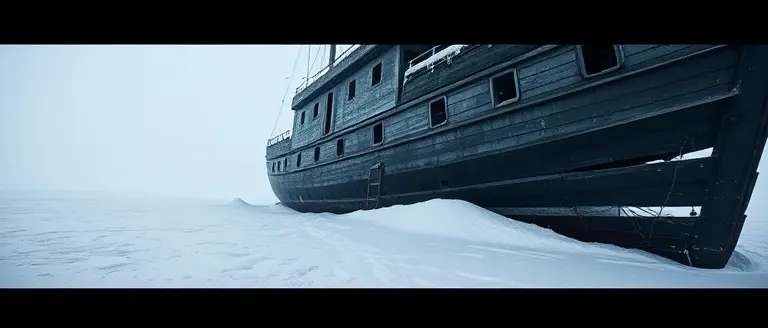
The AMC anthology series The Terror has firmly cemented its place in the modern television canon, transcending its initial release to remain a frequent topic in critical discourse and pop culture podcasts. By masterfully blending the historical tragedy of the Franklin expedition with elements of supernatural horror, the series provides a visceral viewing experience that distinguishes it from standard period dramas. Recent discussions, including those featured on the Based on a True Story podcast, highlight how the show’s grounded portrayal of 19th-century maritime isolation creates an authentic, suffocating atmosphere that keeps audiences returning to the streaming service long after the show’s conclusion.
Why The Series Remains a Streaming Staple
The enduring appeal of the show lies in its ability to balance meticulous historical research with high-concept dread. Whether analyzing the psychological breakdown of the crew or the introduction of creature-feature elements, the series rewards viewers who appreciate both slow-burn character studies and narrative tension. Its relevance in 2026 is bolstered by several key factors:
- Atmospheric Storytelling: Unlike contemporary slasher films, the show prioritizes environmental storytelling, making it a benchmark for quality genre television.
- Historical Integration: It successfully bridges the gap between historical fiction and the horror genre, inviting deeper research into the real-life fate of the HMS Erebus and HMS Terror.
- Cultural Resurgence: As noted in recent June 2026 critical summaries, the show is frequently cited in “what to watch” guides, solidifying its status as a must-binge recommendation for fans of sophisticated horror.
As the industry continues to pivot toward complex, multi-layered narratives, the legacy of The Terror serves as a case study for how prestige streaming content can maintain its cultural footprint. By focusing on the existential threat of an unforgiving Arctic landscape, the series offers a timeless exploration of human desperation that remains as compelling today as it was during its premiere.
Seasonal Scares: ‘The Terror’ in 2026 Haunted Attractions
As the calendar approaches the final quarter of 2026, the term “the terror” has transcended its origins in prestige television to become a cornerstone of seasonal marketing for major immersive experiences. While fans of the AMC anthology series use the term to describe a specific style of historical, psychological dread, event organizers are effectively co-opting the word to promise a visceral, physical confrontation with fear. Major attractions, most notably Halloween Horror Nights 2026 at Universal Orlando and the legendary Terror Vault in San Francisco, are utilizing this linguistic hook to signal a shift toward more intense, atmospheric storytelling that goes beyond traditional jump scares.
Why “The Terror” Drives Engagement
The psychological appeal of this branding lies in its promise of an all-encompassing experience. By framing their attractions under the umbrella of “the terror,” these venues tap into a sophisticated consumer desire for high-stakes, realistic horror. Evidence suggests that this branding strategy is highly effective for several reasons:
- Atmospheric Immersion: Unlike generic “haunted house” labels, “the terror” implies a sustained state of anxiety, mirroring the slow-burn horror found in acclaimed media.
- Targeted Marketing: High-budget events are leveraging this descriptor to attract adult audiences who prefer psychological complexity over standard gore.
- Psychological Anticipation: Using the definite article creates an aura of inevitability, priming visitors to feel that their encounter with the attraction is an unavoidable, fated experience.
Physical haunts like the Terror Vault are capitalizing on this shift by curating environments that emphasize environmental storytelling. By aligning with the cultural zeitgeist surrounding the term, these organizers are successfully driving ticket sales and creating a premium horror category. For seasonal planners, the objective is clear: evoke the same level of existential unease seen in screen-based horror, effectively bridging the gap between passive consumption and active, terrifying participation.
Horror Criticism and the Evolution of Dread in Modern Cinema
In contemporary film criticism, the term the terror has evolved from a simple noun into a sophisticated qualitative descriptor. While general audiences often equate horror with jump scares or visceral gore, critics increasingly utilize the concept of “terror” to describe a more profound, atmospheric state of dread. This distinction is vital when evaluating recent releases, such as the indie film Leviticus or period-specific pieces like 1920: Cold Winter. In these works, the terror is not found in the monster itself, but in the encroaching psychological unraveling of the characters and the oppressive environment they inhabit.
Defining the Benchmark: Horror vs. Terror
The nuance between these two benchmarks shapes how we consume modern genre filmmaking. To understand why certain films achieve critical acclaim, one must distinguish the structural goals of each:
- Horror: Typically relies on the “shocks”—the visual realization of the monster, blood, or immediate physical threat that forces an instinctive reaction from the viewer.
- Terror: Functions as the “anticipation of the void.” It is the lingering anxiety that persists even when the screen is dark or silent. As seen in the AMC series The Terror, this aesthetic prioritizes the slow, agonizing depletion of hope.
Modern reviewers are signaling a shift toward this atmospheric intensity. When critics describe a film as possessing “the terror,” they are essentially identifying a high-level mastery of pacing and tension that mirrors the existential dread found in historical survival narratives. By moving away from purely aesthetic shock, directors are leveraging this specific brand of dread to elevate independent cinema into the realm of high art. This trend suggests that as audiences grow weary of standard genre tropes, the market is increasingly rewarding filmmakers who can sustain a sense of impending doom rather than relying solely on the sudden impact of traditional horror elements.
Reclaim Your Calm After the Horror
Immersing yourself in the psychological depths of horror allows you to experience profound adrenaline and tension, but it shouldn’t leave you feeling permanently frazzled. While the atmospheric dread in series like The Terror is masterfully crafted to keep you on edge, it can often leave the mind feeling cluttered or restless long after the screen goes dark; here is how to regain your focus.
This is where The Brain Song becomes an essential part of your entertainment toolkit. Rather than simply powering down, you can bridge the gap between high-intensity media and cognitive recovery. By utilizing neuroscience-based auditory stimulation, you can actively guide your nervous system back to a state of balance, washing away the lingering cortisol of the viewing experience and restoring the mental clarity you need for your daily life.
Positioned as the ultimate cognitive recovery tool for fans of high-tension media, this solution ensures that you can continue to enjoy the dark, complex worlds of horror without suffering from the lingering mental fatigue that often follows. It is the natural, scientific bridge between the intensity of the screen and the peace of your own mind.
 Reclaim your focus after the fright—try The Brain Song’s 12-minute audio reset to clear the fog and center your mind.Yes, I Want My Mental Clarity Back!