
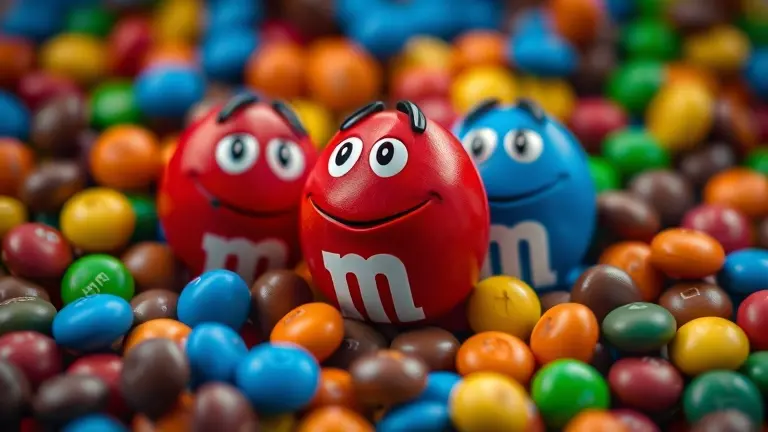
The global confectionery giant Mars, Inc. is at a crossroads as it prepares to revolutionize its iconic M&M’s brand by August 2026, pivoting toward artificial-dye-free formulations. This ambitious overhaul, fueled by intense consumer demand and regulatory scrutiny, has ignited a nationwide conversation about food transparency and the future of our favorite snacks. Often whispered about in the corridors of the "Make America Healthy Again" movement, these changes promise a cleaner ingredient list but have left many wondering if the vibrant, classic appearance of M&M’s is a sacrifice worth making, or if the very essence of the brand is under threat.
Yet, amidst the chatter of dye-free color palettes and experimental new flavors, a larger financial and health-conscious narrative is emerging. Investors remain wary of common market confusions—most notably the frequent conflation of the candy giant with the Indian automotive conglomerate Mahindra & Mahindra—while everyday consumers find themselves hyper-aware of the sugar-heavy legacy of such treats. As we peel back the layers of this corporate transition, it becomes clear that the shift in our candy aisles is merely a reflection of a deeper, societal re-evaluation of what we put into our bodies.
The 2026 M&M’s Transformation: A Shift in Formulation and Strategy
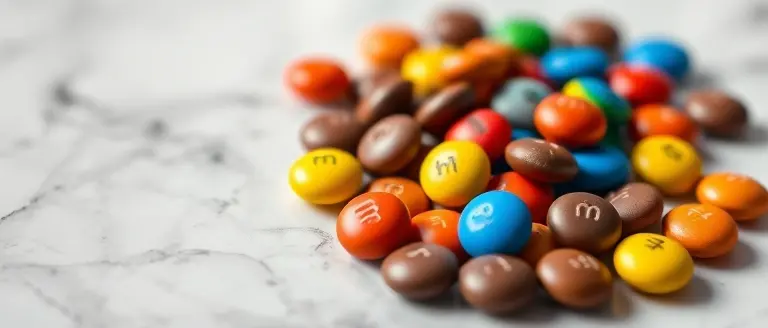
Starting in August 2026, Mars, Inc. will initiate a monumental product overhaul, phasing out all artificial dyes across its iconic M&M’s brand and other major confectionery lines. This strategic pivot arrives in response to mounting regulatory scrutiny and evolving consumer demands for cleaner ingredient labels. Often discussed within the cultural framework of the “Make America Healthy Again” (MAHA) movement, this transition marks one of the most significant changes in the brand’s history. By replacing synthetic colorants with natural alternatives—such as those derived from spirulina and vegetable extracts—Mars is attempting to modernize its portfolio while navigating the complex chemical challenges of maintaining vibrant candy aesthetics.
Navigating Formulation Changes and Market Strategy
Industry insiders and supply chain analysts suggest that this shift toward natural ingredients may lead to visual changes in the product, sparking rumors about the potential discontinuation of specific shades like blue and brown. Beyond the reformulation, Mars is aggressively expanding its market footprint through a dual-pronged strategy:
- Experimental Product Lines: The company is introducing bold, limited-edition flavor profiles, including Peanut Butter & Jelly and Banana Nut Bread, to capture shifting consumer palates and drive impulse purchases.
- AI-Driven Personalization: Mars is leveraging sophisticated AI-driven marketing tools to deliver hyper-personalized advertising campaigns. By analyzing consumer behavior and preferences, the brand aims to maintain growth and engagement in an increasingly fragmented digital marketplace.
As the August rollout approaches, the central challenge for Mars will be balancing its commitment to health-conscious reformulations with the brand integrity that has defined M&M’s for decades. While the company faces increased production costs due to the sourcing of natural pigments, the decision highlights a broader industry trend where legacy food brands are trading traditional, cost-effective additives for a “clean label” identity to ensure long-term regulatory compliance and public trust.
Old vs. New: Comparing Natural Dye Formulations and Color Longevity
As Mars, Inc. prepares for its August 2026 rollout of artificial-dye-free M&M’s, consumers are rightfully curious about how these changes will impact the appearance and stability of their favorite chocolate snacks. The transition from synthetic dyes—such as Red 40, Yellow 5, and Blue 1—to natural plant-based alternatives represents a significant shift in food engineering. Unlike their synthetic predecessors, which provide highly stable, vibrant, and consistent hues, natural pigments are derived from sources like spirulina, turmeric, radish, and red cabbage. While these ingredients satisfy modern health-conscious demands, they present distinct technical challenges for the confectionery industry.
Technical Challenges in Color Formulation
The primary hurdle lies in the chemical stability of natural pigments. Synthetic dyes are chemically engineered to withstand heat, light, and humidity, ensuring that a bag of candy maintains its hue for months. In contrast, natural colors are more reactive:
- Pigment Sensitivity: Natural compounds, particularly blues and browns derived from botanical extracts, can be sensitive to the pH levels of the candy’s sugar shell, potentially leading to color shifts over time.
- Sourcing and Cost: High-quality natural extracts like spirulina are significantly more expensive to source at scale compared to petroleum-derived dyes, necessitating complex supply chain adjustments.
- Visual Appearance: Fans may notice a shift toward more “earthy” or muted tones compared to the neon-bright aesthetic of traditional M&M’s.
What Consumers Can Expect
Industry insiders suggest that while the iconic blue and brown shells are slated to remain in the lineup, they will likely undergo subtle aesthetic transformations. Because natural dyes lack the intense saturation of synthetic variants, the new M&M’s may appear slightly less “glossy” or vibrant. However, Mars is leveraging advanced technology to ensure these variations are minimized. By moving away from artificial additives, the brand is aligning with broader industry trends, yet the longevity of these colors under various storage conditions remains a key point of consumer interest. Expect the new formulation to offer a cleaner ingredient label, even if the visual experience is slightly different from the iconic look that has defined the brand for decades.
Brand Disambiguation: M&M’s vs. Mahindra & Mahindra

In the global financial landscape, a peculiar search trend has emerged involving the acronym “M&M.” While consumers in the United States and abroad widely recognize M&M’s as the iconic, colorful chocolate-coated confectionery owned by the private firm Mars, Inc., international investors often conflate this brand with Mahindra & Mahindra, a massive Indian multinational automotive and industrial conglomerate. This confusion is particularly prevalent on financial news platforms and stock market aggregators, where the ticker symbol or shorthand “M&M” frequently pulls results for the Mumbai-based manufacturer rather than the candy giant.
Understanding the Financial Confusion
The intersection of these two entities is purely linguistic rather than corporate. Because Mahindra & Mahindra is a publicly traded powerhouse on the Bombay Stock Exchange and the National Stock Exchange of India, it is frequently cited in financial reports, analysis from firms like Goldman Sachs, and global market indices. When analysts or automated search algorithms parse headlines for “M&M,” they often prioritize the high-volume trading data associated with the automotive giant. To avoid investment errors or misinformation, stakeholders should note the following distinctions:
- M&M’s (Mars, Inc.): A privately held confectionery business headquartered in McLean, Virginia. It is not traded on any public stock exchange, and its “M&M” branding refers exclusively to the candy products.
- Mahindra & Mahindra (M&M): A major Indian multinational corporation involved in sectors including automotive manufacturing, farm equipment, renewable energy, and aerospace. It is a publicly traded entity where “M&M” serves as its official ticker symbol.
Clarifying this distinction is essential for those tracking the recent corporate shifts at Mars, Inc. As the confectionery brand moves toward a dye-free product overhaul and implements new AI-driven marketing strategies, financial researchers must ensure they are monitoring the correct entity. If you are researching consumer goods trends or the “Make America Healthy Again” (MAHA) confectionery narrative, you are looking for Mars, Inc. Conversely, if your focus is on the industrial output of the Indian automotive sector, you are tracking the Mahindra conglomerate. Recognizing this divide prevents the accidental conflation of data between a chocolate consumer brand and an industrial manufacturing titan.
The Road Ahead: Monitoring Consumer Sentiment and Market Impact
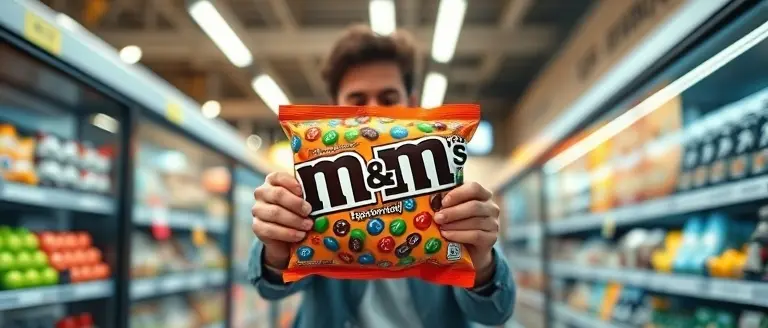
As Mars prepares for the August 2026 rollout of its artificial-dye-free M&M’s, industry analysts are closely monitoring consumer sentiment to gauge whether the brand’s visual transition will maintain long-term loyalty. The move toward natural colorants, such as spirulina, represents a significant production challenge that could influence the appearance of iconic colors like brown and blue. To track the market’s reception, stakeholders should focus on three primary indicators:
- Initial Taste Profiles: Early reviews of the dye-free versions will be critical, as flavor parity is often the primary driver of repeat purchases.
- Social Media Sentiment: Monitoring for viral feedback regarding the physical aesthetics of the candies will reveal if the “disappearing colors” narrative carries lasting brand damage.
- Supply Chain Efficiency: Observations from IndexBox suggest that the sourcing of high-quality natural dyes at scale remains a logistical hurdle that could impact unit prices.
Leveraging AI and Strategic Narratives
Beyond product composition, the company is doubling down on AI-driven hyper-personalized advertising. This technology allows Mars to deliver bespoke marketing content to segmented audiences, potentially mitigating the risks associated with the cultural framing of the “Make America Healthy Again” (MAHA) movement. By aligning the product overhaul with broader consumer wellness trends, Mars is attempting to transform a regulatory response into a positive brand differentiator.
However, investors should remain cautious. The “MAHA” branding strategy is highly polarized; while it appeals to health-conscious demographics, it risks alienating consumers who value the traditional, vibrant identity of the candy. Furthermore, analysts must avoid confusing this consumer-facing activity with the market performance of unrelated entities like Mahindra & Mahindra (often searched under the ticker M&M). Distinguishing between the global confectionery strategy of Mars and the automotive-industrial sector of the Indian conglomerate remains essential for accurate financial monitoring as the August launch approaches.
Taking Charge of Your Metabolic Future
As the confectionery landscape undergoes this seismic shift toward natural ingredients, it serves as a powerful reminder that the true responsibility for our wellness lies in our own hands. While corporations like Mars adapt to regulatory pressures, the real evolution happens when we move beyond merely reading labels and start proactively supporting our body’s internal systems.
Understanding the impact of sugar and additives on your vitality is the first step, but managing that influence in a complex food environment requires more than just dietary vigilance. This is where Sugar Defender becomes an essential ally. By integrating a proven, plant-based support system into your daily routine, you can bridge the gap between enjoying life’s pleasures and maintaining peak metabolic performance.
It is time to stop reacting to the changing food supply and start mastering your own energy levels. Embrace a lifestyle that prioritizes your long-term vitality, ensuring that brain fog and energy crashes don’t dictate your productivity or mood. Your journey toward a more balanced, energetic version of yourself starts with the right foundation.
 Take control of your energy and metabolic health today by integrating a proven, plant-based support system into your daily routine.Claim My Bottle of Sugar Defender Now!