
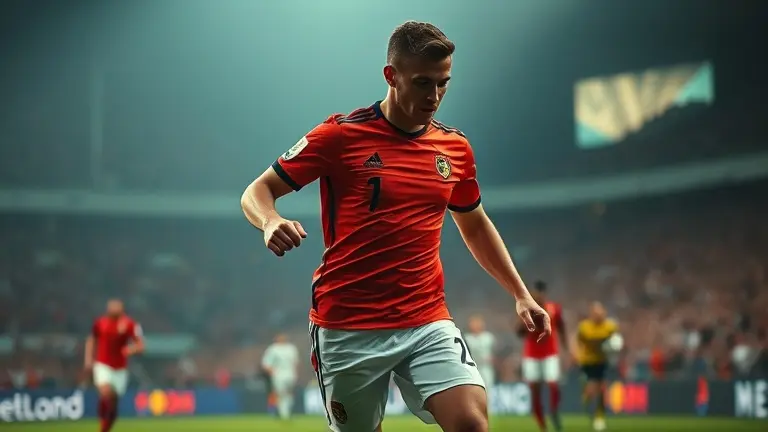
The 2026 FIFA World Cup has been defined by moments of tactical brilliance, but few have shifted the tournament narrative as decisively as Brian Brobbey’s explosive start against Sweden. In a high-stakes group stage clash, the young forward’s inclusion in the starting XI—ahead of the typically favored Donyell Malen—sent a clear message that Ronald Koeman was ready to prioritize raw, disruptive physicality to break the Swedish resistance. Scoring a lightning-fast brace in just 17 minutes, Brobbey didn’t just beat the defense; he systematically dismantled it, forcing a recalibration of how opponents view the Dutch threat.
However, this surge in offensive potency comes against a backdrop of mounting tension. While the ‘Brobbey Effect’ has energized the team, the persistent whispers regarding Frenkie de Jong’s fitness have left fans on edge. With the midfield maestro battling lingering discomfort, the tactical burden on the rest of the squad has spiked significantly. In this deep dive, we explore why Brobbey was the perfect tactical remedy for Koeman’s current constraints, how his presence reconfigures the Dutch attack, and what the evolving state of the squad means for their World Cup ambitions.
The Brobbey Effect: A Tactical Pivot Against Sweden
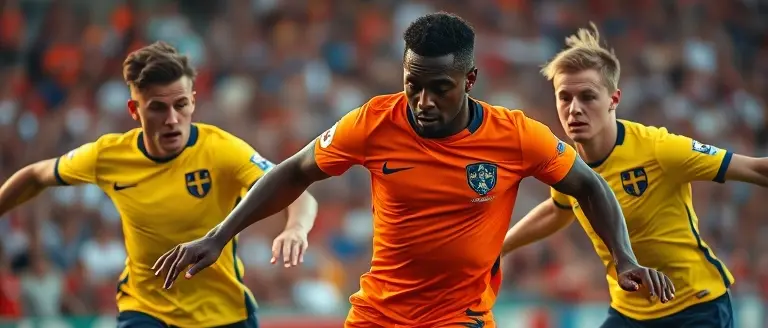
In a masterclass of tactical adjustment during the 2026 FIFA World Cup, head coach Ronald Koeman stunned onlookers on June 20 by swapping Donyell Malen for Brian Brobbey in the starting XI against Sweden. While Malen has historically provided speed on the transition, the Netherlands national football team required a different profile to break down a compact Swedish block. Brobbey’s inclusion provided the necessary physical presence to bully opposing center-backs, a decision that paid immediate dividends. Within the first 17 minutes of the match, Brobbey effectively steamrolled the defense, netting a blistering quick-fire brace that shifted the momentum of the group stage entirely. This wasn’t merely a goal-scoring performance; it was a fundamental shift in how the Dutch approach high-pressure tournament matches.
The tactical significance of this change cannot be overstated, as Brobbey’s profile forces defenders to commit deeper and tighter, creating pockets of space in the midfield. By operating as a high-intent target man, Brobbey disrupted the Swedish defensive line, allowing the Dutch to dominate the final third. Key highlights of this strategic pivot included:
- Physical Dominance: Brobbey’s ability to shield the ball allowed the Netherlands to sustain prolonged attacks rather than relying on desperate long balls.
- Defensive Distortion: His movement pulled markers away from their assigned zones, creating lanes for teammates to exploit.
- Efficient Finishing: The clinical nature of his two goals within the opening 17 minutes shattered Swedish confidence, forcing them to abandon their defensive structure.
This pivot marks a departure from Koeman’s reliance on Malen’s pure pace, suggesting that for the remainder of the World Cup, the Netherlands vs. Sweden blueprint may become the standard against physically imposing opponents. By prioritizing Brobbey’s raw strength, the Dutch coaching staff has added a versatile dimension to their offensive toolkit that keeps opposition managers guessing. As the team moves forward, the “Brobbey Effect” stands as the primary indicator of a more flexible, adaptive Dutch side capable of shifting gears based on the specific threats posed by their opposition.
Physicality vs. Speed: Why Koeman Ditched the Malen Template
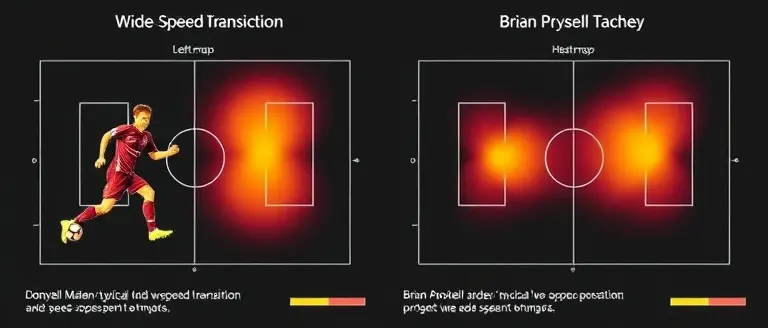
The tactical pivot orchestrated by Ronald Koeman during the Netherlands vs. Sweden clash marked a definitive departure from the speed-oriented reliance on Donyell Malen. For much of the qualifying cycle, the Netherlands national football team utilized Malen’s blistering pace to stretch opposition backlines. However, against a disciplined Swedish defensive block, that strategy often resulted in isolated forward runs and wasted transition opportunities. By inserting Brian Brobbey into the starting lineup, Koeman introduced a distinct target-man profile that fundamentally altered the dynamics of the 2026 FIFA World Cup group stage encounter.
The Brobbey Advantage: Holding and Harassing
Brobbey’s contribution was immediate, evidenced by his brace within the first 17 minutes of play. Unlike the movement-heavy approach favored by Malen, Brobbey provides a focal point that demands constant attention from central defenders. Key tactical advantages observed during this shift include:
- Aerial and Physical Dominance: Brobbey’s ability to win physical duels forced the Swedish center-backs to commit higher up the pitch, effectively pinning them back and reducing their ability to initiate counter-attacks.
- Hold-Up Play as a Pivot: By effectively shielding the ball, Brobbey allowed Dutch midfielders to advance into the final third without the immediate threat of a turnover, stifling the Swedish high press.
- Creating Channels for Midfielders: Because Brobbey occupied two markers consistently, he created critical pockets of space in the half-spaces, directly facilitating creative surges for teammates.
This transition highlights a maturation in Koeman’s tactical flexibility. While speed is an undeniable asset, Brobbey’s capacity to serve as an offensive anchor provides the Netherlands with a more reliable mechanism to break down low-block defenses. By choosing raw physicality over pure pace, Koeman successfully neutralized Sweden’s defensive game plan, turning a high-stakes fixture into a masterclass of structural control. As the tournament progresses, the debate between utilizing Malen’s transition speed versus Brobbey’s disruptive presence will likely remain the defining tactical narrative for the Dutch squad.
Synergy in the Center: How Brobbey Frees Up Frenkie de Jong
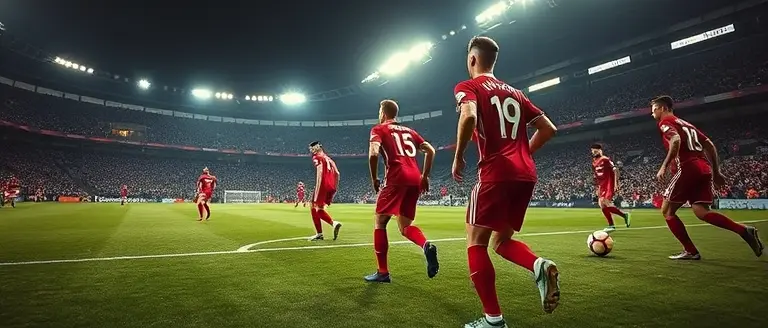
The tactical masterstroke of deploying Brian Brobbey as the starting striker against Sweden provided more than just a quick-fire brace; it fundamentally altered the structural integrity of the Netherlands national football team. By utilizing Brobbey’s immense physical frame to pin the Swedish center-backs deep into their own defensive third, coach Ronald Koeman created an environment where the midfield could operate with unprecedented freedom. This is particularly vital for Frenkie de Jong, whose ability to dictate the tempo of the game often relies on the presence of a “target man” capable of holding up play and pulling defensive lines out of position.
Strategic Advantages of the Brobbey-De Jong Partnership
The interplay between the two players facilitates a shift in the Dutch offensive geometry. With Brobbey aggressively challenging physical duels, the central defenders are forced to commit resources to combat him, thereby leaving gaps in the dangerous “half-spaces.”
- Creation of Pockets: Brobbey’s tendency to drift into channels or hold his ground forces defensive blocks to compress, widening the gaps between the Swedish midfield and defensive lines.
- Reduced Pressing Intensity: Because the defense is preoccupied with Brobbey’s raw power, De Jong faces less immediate vertical pressure, allowing him to control the ball with more composure.
- Midfield Support: This synergy is crucial for managing De Jong’s current fitness levels. By controlling the pace and requiring fewer explosive sprints from the midfielder, the Netherlands can rely on his vision to unlock defenses rather than his raw agility.
Evidence suggests that when Brobbey occupies the center-backs, De Jong gains an extra two to three seconds on the ball. Even while nursing lingering injury concerns, De Jong’s technical efficiency remains elite. By relying on Brobbey’s physicality to act as a pivot point, Koeman has essentially built a tactical shield for his star playmaker, ensuring that the Netherlands Sweden matchup serves as a blueprint for how this squad can navigate the remainder of the 2026 FIFA World Cup with tactical intelligence rather than sheer physical exhaustion.
The State of the Squad: Managing De Jong’s Fitness for the Knockout Stages

As the Netherlands national football team progresses toward the knockout stages of the 2026 FIFA World Cup, the physical condition of Frenkie de Jong remains a primary concern for the Dutch technical staff. Despite the clinical display against Sweden, reporting from Yahoo Sports and recent press conferences from Ronald Koeman have highlighted persistent “discomfort” surrounding the star midfielder. Managing De Jong’s workload is now a delicate balancing act; the medical team is likely utilizing specialized recovery protocols to ensure he remains available for high-stakes fixtures, though his limited availability creates a strategic vacuum in the center of the pitch.
The Brobbey Insurance Policy
The emergence of Brian Brobbey serves as a vital tactical insurance policy that mitigates the risks associated with De Jong’s fitness. By providing a physical focal point, Brobbey allows the team to transition into a more direct style of play that requires less dependency on sustained, high-intensity midfield transitions often dictated by De Jong. If the coaching staff determines that De Jong’s minutes must be capped to prevent further injury, the tactical shift seen in the Netherlands Sweden match provides a blueprint for success:
- Reduced Midfield Burden: Brobbey’s ability to hold up the ball and win aerial duels reduces the need for the central midfielders to carry the ball into congested areas.
- Direct Offensive Outlets: By bypassing the congested middle of the field, the team can protect De Jong’s legs while still generating high-quality scoring opportunities.
- Tactical Flexibility: Should De Jong need rest, Koeman can rotate his midfield without sacrificing the team’s ability to “steamroll” defensive lines through pure physicality.
Ultimately, while the uncertainty surrounding De Jong is an undeniable source of anxiety for fans, the versatility shown by Brobbey provides the necessary stability to keep the Dutch campaign on track. As the tournament reaches its most critical phase, Koeman’s ability to pivot between his traditional possession-based system and this new, robust direct attack may prove to be the difference-maker.
Mastering the Tactical Chessboard
The 2026 World Cup is proving to be a tournament of margins, where a single tactical pivot can define a nation’s destiny. Brian Brobbey’s masterclass against Sweden was not merely a display of raw power; it was a testament to Ronald Koeman’s willingness to disrupt established norms to secure an advantage. While the anxiety surrounding Frenkie de Jong’s fitness remains a shadow over the Dutch camp, the sheer tactical versatility showcased by the introduction of a physical anchor in Brobbey gives the Netherlands a formidable new dimension as they push deeper into the tournament.
Just as Koeman’s tactical adjustments require laser-like focus from his players, maintaining your own mental clarity and strategic awareness is essential to keeping up with the rapid-fire narratives of the 2026 World Cup. Whether you are analyzing complex match-ups or navigating the high-pressure demands of your own professional life, the ability to process information with precision is your greatest asset. This is where The Brain Song serves as your cognitive tool for the high-performance enthusiast.
By integrating a 12-minute daily routine into your schedule, you unlock the same level of heightened focus and analytical edge required to dissect the most complex tactical shifts on the pitch. It is not just about keeping up; it is about seeing the game—and your goals—with sharper, clearer intent. Elevate your performance and ensure you never miss a beat of the action as the World Cup intensity reaches its peak.
 Sharpen your tactical perspective and elevate your focus during the rest of the World Cup—click here to start your 12-minute daily routine with The Brain Song.Yes, I Want to Sharpen My Focus Now!