

On June 18, 2026, the York Revolution sent shockwaves through the Atlantic League, opting to forfeit a high-stakes game against the Southern Maryland Blue Crabs rather than compel players to participate in mandated Pride Night uniform protocols. This decision, emerging from a quiet refusal by several team members to don specific jerseys, transformed a routine sporting event into a significant flashpoint in the ongoing national conversation surrounding institutional inclusivity versus individual freedom. While the organization maintained its commitment to broader promotional festivities, the forfeit itself has left both league officials and fans grappling with the legal and contractual ramifications of such an unprecedented stand.
As the dust settles, the implications for professional sports are profound. The York Revolution incident is not merely about a singular game; it is a complex case study in the friction between corporate mandates and the personal convictions of athletes. By examining how this situation mirrors broader trends in the MLB and NHL, we begin to see that the challenge of balancing team-branded social messaging with the autonomy of the individual athlete is quickly becoming the defining issue of the modern professional era.
The York Revolution Forfeit: A Timeline of the June 18th Incident

On June 18, 2026, the York Revolution, a staple of the Atlantic League of Professional Baseball, reached a critical organizational impasse during their scheduled matchup against the Southern Maryland Blue Crabs. The conflict centered on the team’s 11th Annual Pride Night, a promotional event that historically features specialized jerseys. Reports confirmed that several members of the roster refused to wear the Pride-themed uniforms, citing personal or religious objections. Faced with the inability to field a complete team in the designated promotional attire, the organization made the unprecedented decision to forfeit the game rather than compel player participation or abandon the night’s core messaging.
The fallout of this decision rippled through the league, as the forfeit directly impacted the Atlantic League standings. Despite the cancellation of the on-field competition, the York Revolution management maintained a commitment to their original programming. The event transitioned into a “free admission” fan experience, where the organization proceeded with other Pride-themed promotional activities, signaling an effort to honor their community obligations despite the internal roster friction.
Key Aspects of the June 18th Event
- Organizational Decision: The York Revolution leadership prioritized their established commitment to the Pride initiative, ultimately choosing to forfeit the contest against the Southern Maryland Blue Crabs rather than waive the uniform requirement for objecting players.
- Event Continuity: While the professional baseball game did not occur, the stadium remained open for fans, as the front office chose to continue with the broader scope of their promotional schedule.
- The Broader Context: This incident mirrors ongoing tensions seen in major professional leagues, where the intersection of corporate-sponsored social activism and individual athlete autonomy continues to create complex administrative challenges.
This event highlights the significant logistical and cultural hurdles sports organizations face when trying to balance corporate inclusivity goals with the personal convictions of their athletes. By opting for a forfeit, the Revolution demonstrated the extent to which independent teams are testing new frameworks for handling player-organization conflicts in the modern era.
The Challenge of Balancing Inclusivity and Athlete Autonomy

The recent York Revolution pride incident highlights a complex structural tension inherent in modern professional sports: the friction between an organization’s desire to cultivate an inclusive brand identity and the protection of individual athlete autonomy. As teams increasingly adopt themed nights—ranging from Pride games to military appreciation events—they are frequently forced to navigate the blurred lines between contractual obligations and personal conscience. Unlike major leagues that often rely on collective bargaining agreements to set uniform standards, independent teams like those in the Atlantic League often operate under more flexible, yet less codified, policies regarding player conduct and attire.
Navigating Institutional Values and Individual Conscience
Organizations face a significant dilemma when a player’s personal, religious, or moral objections conflict with team-wide promotional initiatives. When a franchise mandates the use of specific themed apparel, it essentially transforms a sports uniform into a vehicle for social messaging. For the organization, these initiatives are essential for community engagement and revenue generation. However, when athletes refuse to participate, the resulting headlines can overshadow the original intent of the event. The York Revolution forfeit serves as a stark case study in the difficulty of reconciling these competing interests:
- Brand Alignment: Organizations strive to maintain a welcoming environment for all fans, often using themed nights to signal institutional support for diverse demographics.
- Athlete Autonomy: Professional athletes, while employees, often view their platform as a space for individual expression, leading to friction when their personal values deviate from corporate messaging.
- Operational Risk: As seen in the recent games cancellation, a lack of standardized policy regarding “opt-out” procedures can lead to sudden, high-stakes operational disruptions that impact ticket holders and league standings.
Moving forward, independent professional leagues may need to establish clearer frameworks for player participation in promotional events. By moving away from reactive measures and toward proactive policies that balance public inclusivity with individual rights, organizations can better mitigate the risks of these cultural flashpoints. The goal is to preserve the integrity of the team’s community mission while simultaneously respecting the diverse viewpoints present within the locker room.
Policy vs. Participation: The Organizational Dilemma
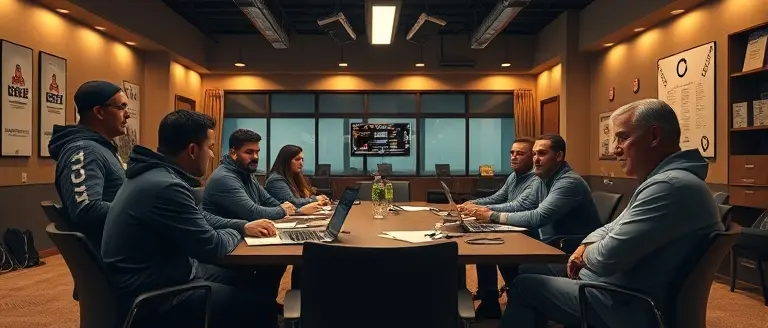
The June 18, 2026, decision by the York Revolution to forfeit their scheduled game against the Southern Maryland Blue Crabs highlights the complex intersection of organizational values and athlete autonomy. For independent professional teams like those in the Atlantic League, “Pride Night” events are often central to community engagement and revenue-driving promotions. However, when player objections to wearing themed jerseys emerge, franchises are forced to navigate a difficult landscape involving contractual obligations, team morale, and public perception. Unlike major league organizations that operate under collective bargaining agreements with specific uniform mandates, independent teams often rely on more flexible—yet less legally ironclad—employment structures, making the enforcement of social messaging mandates a logistical and legal minefield.
Navigating the Human Resources and Operational Challenge
When organizations face internal dissent, they must evaluate the cost-benefit analysis of forced compliance versus flexibility. Forfeiting a game—as seen in this instance—presents significant financial and operational challenges, including lost ticket revenue, concession impact, and the disruption of league standings. Organizations typically weigh the following factors when encountering roster pushback:
- Contractual Frameworks: Most independent league contracts do not explicitly dictate participation in political or social awareness themes, creating a gray area when players refuse to wear specific apparel.
- Brand Reputation: Teams must balance their commitment to inclusivity initiatives with the need to maintain a cohesive, high-performing roster.
- Public Relations Impact: The decision to avoid mandatory enforcement is often a strategic choice to prevent internal team fractures, prioritizing team unity over individual participation in controversial promotional activities.
The York Revolution’s choice to proceed with promotional activities despite the forfeit suggests that the organization viewed individual player autonomy as a non-negotiable threshold. This incident serves as a bellwether for minor league sports, illustrating that as social activism becomes more integrated into the game-day experience, teams will increasingly require standardized, legally vetted policies to mitigate the risks associated with internal dissent. Moving forward, the focus for such franchises remains on how to sustain community support while respecting the individual convictions of their athletes.
The Evolution of Social Advocacy in Independent Professional Baseball

The June 18, 2026, York Revolution Pride forfeit marks a significant inflection point in how independent professional baseball navigates the intersection of cultural messaging and athlete autonomy. While major leagues like the MLB and NHL have faced high-profile controversies regarding themed jerseys—often resulting in reactive policy shifts—independent organizations operate under a different set of logistical and organizational pressures. Unlike major league teams, which are often bound by collective bargaining agreements and league-wide mandates, the Atlantic League of Professional Baseball offers teams greater autonomy. This flexibility allows for localized decision-making but also leaves clubs uniquely vulnerable when individual player objections conflict with community-facing promotional initiatives.
Structural Differences in Social Messaging
The incident highlights the distinct operational reality of the York Revolution compared to its major league counterparts. Key differences in managing social advocacy include:
- Organizational Flexibility: Independent clubs prioritize local fan engagement and direct community ties, which makes the fallout from a forfeited game feel more immediate and personal than a similar event in a major media market.
- Contractual Autonomy: Independent players often operate under different contract structures than unionized major leaguers, creating a complex landscape for teams trying to enforce dress codes or promotional participation.
- Crisis Response: Without the buffer of a large league office to issue standardized policy statements, local front offices must navigate the delicate balance of team values, player rights, and fan expectations in real-time.
Evidence suggests that as professional sports continue to integrate social advocacy into games and promotional nights, the challenge will remain in finding a middle ground. The decision to forfeit the contest while continuing the event demonstrates the ongoing struggle of organizations attempting to maintain their institutional commitments to inclusivity without infringing on the personal convictions of their roster. This event underscores that independent baseball has officially entered the same high-stakes arena as major leagues, where every promotional decision is subject to intense public scrutiny and requires a robust, proactive communication strategy to manage potential player-led protests.
Understanding the Psychology of Individual Conviction
The York Revolution forfeit underscores a growing tension within professional sports organizations: the challenge of reconciling institutional social goals with the deeply held personal convictions of the athletes who drive the product. This episode illuminates a critical reality, suggesting that when professional mandates collide with an individual’s internal moral compass, the resulting friction creates ripple effects that extend far beyond the ballpark.
While organizational policies aim for unity, the decisions made by these athletes are often rooted in subconscious psychological drivers that remain largely misunderstood by the public. The underlying tension often stems from a fundamental need for personal agency and respect, themes that define how men respond to external pressures and group expectations in high-pressure environments. Understanding these primal, often silent motivators is essential for anyone seeking to decode why men choose to stand their ground when the status quo demands compliance.
To gain a deeper perspective on these internal drivers, it is necessary to look past the headlines and examine the principles that guide human behavior during moments of intense pressure. Discover how these internal drivers influence modern decision-making by exploring the principles found in His Secret Obsession.
 Discover how these internal drivers influence modern decision-making by exploring the principles found in His Secret Obsession.Unlock These Psychological Insights Now!