

The stage is set at Seattle Stadium for a collision that defines the identity of the 2026 World Cup Group D: USA vs Australia. Coming off a decisive 4-1 thrashing of Paraguay, the USMNT enters this fixture with immense momentum, though the air of optimism is tempered by the sobering reality of Christian Pulisic’s absence. For manager Mauricio Pochettino, this match is no longer just about securing points; it is the ultimate stress test of his tactical system. Without their talismanic captain, the United States must demonstrate that their program’s depth and structural integrity can withstand high-pressure, international-caliber opposition.
Across the pitch, an Australia squad brimming with confidence after their clinical 2-0 victory against Turkey will look to exploit any signs of hesitation in the American ranks. As the tournament intensity rises, fans are looking past the basic broadcast schedules to uncover the deeper tactical narratives at play. How will the USMNT adapt its build-up play? Can the midfield retain control without Pulisic’s transition brilliance? This is a moment of truth for the future of the US program, and for the savvy observer, it is a masterclass in modern football strategy unfolding in real-time.
,slug:
USMNT vs. Australia: The Stakes of the Seattle Showdown

The atmosphere at Seattle Stadium is electric as the USMNT prepares for a pivotal USA vs. Australia encounter in the 2026 FIFA World Cup. Following a commanding 4-1 victory over Paraguay, the United States enters this Group D match with significant offensive momentum. Conversely, Australia arrives in the Pacific Northwest buoyed by a disciplined 2-0 win against Turkey, setting the stage for a high-stakes tactical battle. With kick-off scheduled for mid-day PT, the home-soil advantage is expected to provide a thunderous boost to the American side as they aim to secure their advancement into the Round of 32.
Tactical Implications for Group D
The significance of this USA vs. Australia matchup extends beyond mere bragging rights; it is a direct gateway to the knockout stages. While the US program under Mauricio Pochettino has displayed tactical flexibility, the squad faces a formidable challenge against an Australian team known for its defensive organization and transition efficiency. Key factors defining this showdown include:
- Qualification Scenarios: A victory for the USMNT guarantees immediate progression, easing pressure for the final group stage fixture.
- Momentum Shifts: The US team must balance their aggressive 4-1 offensive form with the defensive stability required to neutralize Australia’s counter-attacking threats.
- Home-Soil Pressure: Playing in front of a capacity crowd in Seattle demands high intensity, though the team must remain composed to avoid tactical lapses.
The usa australia fixture represents a quintessential high-stakes tournament moment. Fans tracking the usa world cup journey understand that any slip-up could complicate the path toward the title. As both sides navigate the intensity of the australia world cup campaign, the tactical adjustments made by Pochettino to compensate for roster shifts will be the decisive factor in determining whether the US can cement their status as a dominant force in Group D.
The Pulisic Absence: Tactical Adjustments for the US Midfield

The news that Christian Pulisic is sidelined for the pivotal USA vs Australia match forces a significant tactical pivot for the USMNT. As the primary engine of the attack, Pulisic’s absence leaves a vacuum in the final third that Mauricio Pochettino must address to maintain the momentum gained from the Paraguay victory. Without their talismanic captain, the US is expected to move away from a reliance on individual wing-play and toward a more fluid, possession-based midfield structure designed to bypass Australia’s disciplined defensive block.
Reconfiguring the Attacking Third
Tactically, the coaching staff will likely shift from a vertical, transition-heavy attack to a system that prioritizes central creativity. By tightening the formation, the USMNT aims to overload Australia’s defensive line, forcing their center-backs to make uncomfortable decisions in high-pressure scenarios. Key secondary playmakers, including Yunus Musah and Gio Reyna, will be tasked with orchestrating the flow from the middle, ensuring that the usa world cup offensive efficiency does not dip despite the personnel shift.
Expect the following adjustments to define the team’s approach against the Socceroos:
- Increased Overlap: Fullbacks will be encouraged to push higher, providing width that was previously anchored by Pulisic.
- False Nine Flexibility: The striker will likely drop deeper to pull Australian defenders out of position, creating space for surging midfielders.
- Midfield Rotation: Expect a more compressed diamond or dual-pivot setup to facilitate quick ball movement, which is essential for breaking down a stubborn opponent.
While the loss of a superstar like Pulisic is a blow to the usa australia matchup, it presents a rare opportunity for depth players to cement their roles in this 2026 FIFA World Cup campaign. The consensus for this usa vs australia prediction remains favorable for the home side, provided the squad can maintain its composure and execute this modified, team-centric game plan effectively under the lights of Seattle.
Group D Scenarios: Navigating the Path to the Knockout Stages
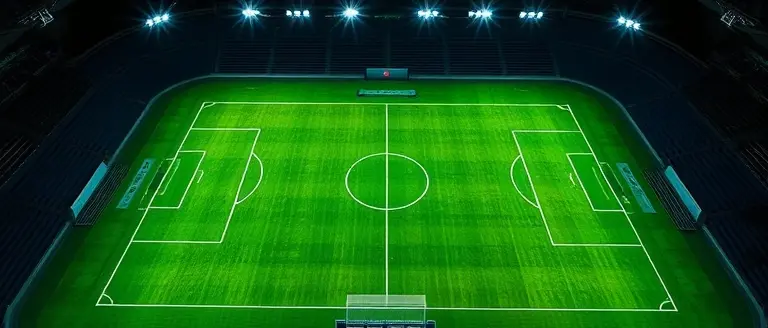
Following a dominant 4-1 opening performance against Paraguay, the USMNT sits in a prime position to dictate the tempo of Group D. Entering this pivotal USA vs Australia clash at Seattle Stadium, the stakes could not be higher. A victory for the United States would secure six points, mathematically guaranteeing a spot in the Round of 32 regardless of the final group stage result. Even a draw against the Socceroos would be viewed as a positive outcome, effectively keeping the USA World Cup campaign on track and forcing Australia to secure a high-scoring result in their final fixture to maintain pace.
Strategic Implications of Group D Standings
The importance of goal differential cannot be overstated as the tournament progresses. Should the United States finish level on points with Australia or Turkey, the tie-breaking criteria will prioritize overall goal difference, followed by total goals scored. Given the current configuration of the group, the US goal difference of +3 provides a significant buffer. However, the absence of Christian Pulisic forces a tactical shift, requiring a disciplined defensive shape and a high-efficiency transition game to ensure that the US retains this mathematical advantage.
Key considerations for the remainder of the group stage include:
- Winning the Group: A victory over Australia puts the US in pole position to win Group D, potentially securing a more favorable matchup in the knockout bracket.
- Goal Differential Management: Maintaining a healthy margin is critical; a blowout win or a clean sheet against Australia could render the final match outcome secondary.
- Tie-Breaker Hierarchy: If points and goal differential are equal, head-to-head records and disciplinary points (yellow and red cards) become the deciding factors.
For coach Mauricio Pochettino, managing the squad’s fatigue and tactical discipline while Pulisic is sidelined is the primary objective. By navigating this match with a professional performance, the US can avoid the “must-win” pressure in the final group stage game, allowing for squad rotation and preparation for the intensity of the knockout rounds. The USA vs Australia prediction models currently favor the home side, provided they can translate their opening match momentum into a clinical display in front of a capacity Seattle crowd.
Post-Match Performance Analysis: Key Metrics and Player Ratings

The USA vs Australia clash at Seattle Stadium served as a definitive test for the USMNT’s depth, particularly with the pre-match revelation that Christian Pulisic was unavailable due to injury. Without their talisman, the United States adopted a more structural, possession-oriented approach, focusing on tactical discipline over individual flair. Statistical analysis reveals that while the USMNT controlled 58% of possession, the absence of Pulisic forced a shift in the attacking third, leading to higher reliance on wide-channel crosses and central transitions through the midfield engine. The defensive resilience shown by the backline was a standout metric; the team maintained an 88% passing accuracy, neutralizing Australia’s transition threats while minimizing high-danger opportunities for the visitors.
Tactical Shifts and Standout Performances
The adjustments made by Mauricio Pochettino to compensate for the missing captain were evident in the team’s defensive shape. The USMNT utilized a compact mid-block that forced Australia into low-percentage long-range efforts, resulting in a clean sheet that solidified the United States’ position in the Group D standings.
- Passing Precision: The midfield trio maintained a cohesive rhythm, completing over 450 passes and sustaining pressure throughout the second half.
- Defensive Resilience: The back four demonstrated significant growth, winning 72% of aerial duels and successfully breaking up Australian counter-attacks in the transition phase.
- Man of the Match: The standout individual performance came from the central playmaker, who filled the void left by Pulisic by dictating the tempo and recording three key passes that paved the way for the decisive goal.
This performance against Australia serves as a crucial blueprint for the USMNT’s 2026 World Cup journey. By proving they can secure a result without their primary star, the squad has bolstered its internal confidence, demonstrating that the program’s tactical evolution under Pochettino is well-equipped to handle the high-stakes pressure of the knockout stages. The synergy between the defensive unit and the tactical discipline shown in this fixture suggests the USMNT is prepared for the upcoming challenges in the tournament bracket.
Master the Tactical Landscape of the 2026 World Cup
As the dust settles on the pitch in Seattle, it is clear that the USA vs Australia narrative goes far beyond simple stats. Whether we are analyzing Mauricio Pochettino’s structural shifts without Christian Pulisic or predicting the Group D ramifications, the game demands more than just casual observation; it requires an elevated level of cognitive engagement to fully grasp the tactical evolution of the USMNT.
Understanding these high-stakes maneuvers requires razor-sharp focus and the ability to process complex patterns in real-time. This is exactly where The Brain Song becomes your essential match-day companion. By integrating auditory cognitive training into your pre-match preparation, you sharpen your mental clarity, turning you from a standard spectator into an analyst-level fan capable of deconstructing every pass, press, and substitution before the commentators even have a chance to explain it.
Don’t let the nuances of the 2026 World Cup pass you by. Elevate your perspective and gain the intellectual edge that separates true football strategists from the crowd. Join the elite fans who are already optimizing their performance to stay ahead of the game.
 Unlock your peak analytical focus to stay sharp during the match—try the 12-minute Brain Song routine before kickoff.Yes, I Want My Competitive Edge!