
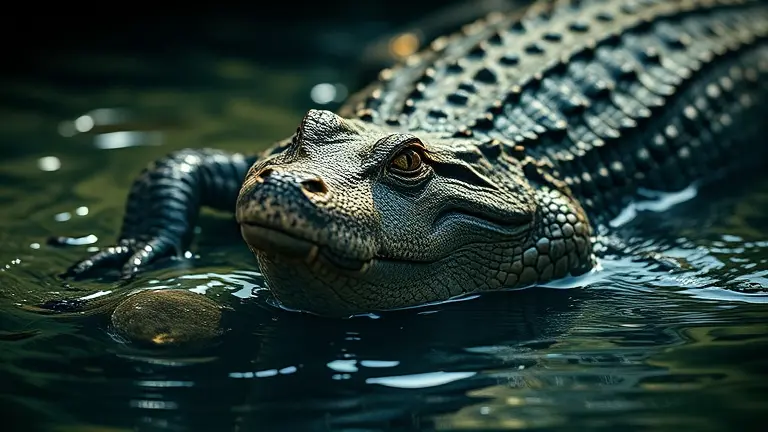
In the wake of recent, heartbreaking headlines involving human-crocodile conflict, the world finds itself confronting the raw reality of living alongside apex predators. While these stories serve as somber reminders of the inherent dangers these prehistoric reptiles pose, they also illuminate a vital conversation about the standards of security, habitat design, and responsible interaction. Crocodiles are not merely creatures of myth; they are highly specialized, intelligent, and formidable animals whose captivity requires an unwavering commitment to structural integrity and human safety protocols that leave zero margin for error.
Beyond the reactive headlines, there is a profound necessity to examine the craftsmanship and engineering that define safe wildlife spaces. Whether in a zoo or on a smaller scale, the boundary between the wild and the human environment relies on precise, calculated design. Understanding these standards is not just for professionals; it is a fundamental lesson in how meticulous planning, rigorous structural design, and an uncompromising commitment to detail are the only true barriers against tragedy.
Understanding Recent Zoo Safety Incidents and Public Concern
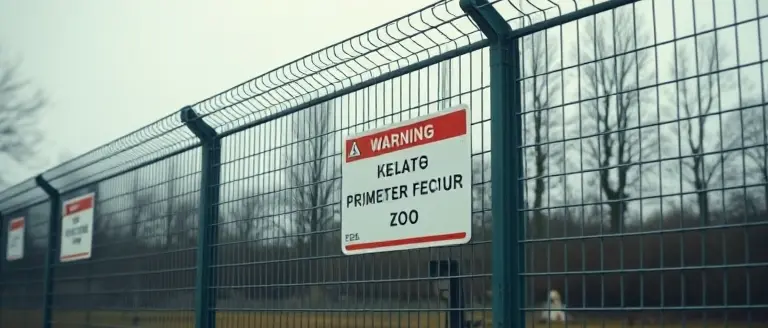
The recent, deeply distressing incident in Cambridgeshire, where a young child was critically injured after being placed into a crocodile enclosure, has ignited an urgent international conversation regarding zoo safety protocols. While authorities have taken swift action—including the arrest of a 30-year-old suspect on suspicion of attempted murder—the event has left the public searching for answers regarding how such an extreme breach of security could occur. This tragedy has prompted experts to re-examine the physical barriers and surveillance standards required to maintain a secure environment where apex predators are kept in close proximity to the general public.
The Role of Physical and Behavioral Barriers
Safety in modern zoological institutions relies on a “defense-in-depth” approach. When managing potentially dangerous animals like crocodiles, facilities typically employ a combination of redundant barriers to ensure that even a deliberate attempt to circumvent security is met with significant obstacles. Key safety measures include:
- Heightened Perimeter Fencing: Specialized mesh or glass barriers designed specifically to prevent unauthorized human entry into restricted zones.
- Constant Surveillance: High-definition security cameras paired with real-time monitoring by professional zookeepers or security teams.
- Signage and Public Education: Clear communication regarding the danger posed by captive wildlife and the strictly enforced rules regarding proximity.
- Restricted Access Points: Heavily reinforced, locking service gates that are only accessible to trained animal care specialists.
The necessity of these measures is highlighted by the unpredictable nature of crocodiles, which are opportunistic hunters. While these animals are essential to global ecosystems and are often the focus of conservation education, their powerful bite force and rapid reflex times require a zero-tolerance policy regarding human-wildlife separation. As the investigation into this incident continues, it serves as a somber reminder that the highest standards of professional oversight are the only acceptable baseline for any facility housing wild animals, ensuring that both visitor well-being and animal integrity are never compromised.
The Reality of Crocodile Behavior: Debunking Common Myths
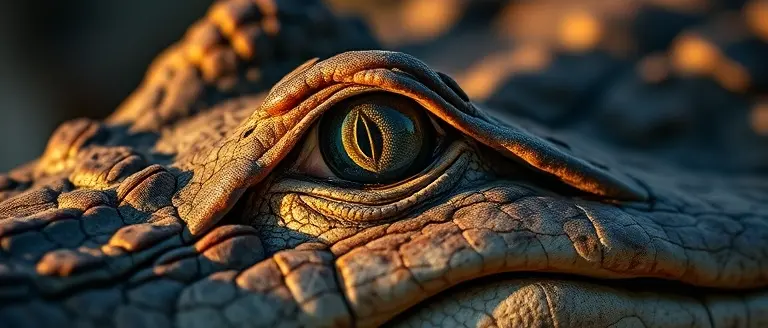
To understand the risks associated with crocodiles in any setting, one must move past the pop-culture narrative of mindless, aggressive monsters. Biological evidence suggests that these ancient reptiles are not inherently “malicious.” Instead, they are highly specialized apex predators driven by complex neurological responses to movement, vibration, and thermal stimuli. Their behavior is rarely an act of unprovoked aggression; rather, it is a highly tuned survival mechanism evolved over millions of years to conserve energy while reacting instantly to potential prey or territorial threats.
Understanding Predator Stimuli
In captivity, the environment can inadvertently trigger a crocodile’s natural predatory instincts. Because they are ectothermic, they rely on environmental cues to regulate their metabolism and defense. Key factors that influence their behavior include:
- Movement Sensitivity: Crocodiles possess specialized sensory pits along their jaws capable of detecting minute pressure changes in water. Sudden splashes or erratic movements are often interpreted as the presence of struggling prey, triggering a rapid, involuntary strike.
- Territoriality: Particularly in confined zoo environments, crocodiles may exhibit increased defensiveness. They are hard-wired to protect their basking sites and water entry points, viewing intrusions into these zones as direct threats.
- Environmental Cues: Unlike domestic animals, crocodiles do not “socialize” in a way that humans recognize. Their reactions are largely reflexive; if a stimulus fits the profile of a food source or a territorial rival, the biological imperative to strike overrides any potential for hesitation.
By debunking the myth that these animals are prone to random outbursts, we gain a clearer picture of why wildlife conservation and strict adherence to zoo safety protocols are non-negotiable. Misinterpreting these animals as “tame” or “predictable” is dangerous. Respecting the biological reality of crocodiles—as opportunistic, highly reactive predators—is the only way to ensure both human safety and the ethical management of these magnificent creatures in professional settings.
Modern Zoo Protocols: How Institutions Protect Visitors and Wildlife
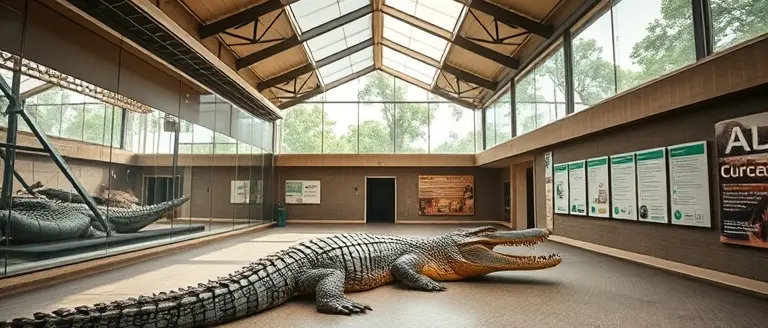
Modern zoological institutions operate under rigorous safety frameworks designed to eliminate direct interaction between apex predators and the public. To manage the inherent risks associated with crocodiles and other dangerous wildlife, accredited facilities employ a “Three-Layer Defense” model. This multi-tiered engineering and administrative approach ensures that even in the event of a mechanical failure or human error, a secondary safeguard remains active to prevent tragedy.
The Three-Layer Defense Model
The primary objective of these protocols is to maintain a “no-contact” policy, which is essential for both human safety and the psychological well-being of the animals. These layers typically include:
- Physical Barriers: This is the most critical layer, utilizing reinforced laminated glass, high-tensile mesh, or specialized fencing. These structures are engineered to withstand significant force, ensuring that visitors remain separated from animals at all times.
- Vegetation and Distance Buffers: Many zoos implement “stand-off” zones. These neutral spaces, often comprised of dense landscaping or water moats, create a physical buffer that prevents unauthorized access to the enclosure’s perimeter.
- Staff Surveillance and Administrative Controls: Constant monitoring, including the use of high-definition security cameras, motion sensors, and trained keepers, provides real-time oversight. Furthermore, strict zoo safety protocols mandate that public-facing areas are restricted to designated viewing platforms only.
Responsible zoos prioritize transparency regarding these safety measures to maintain public trust. By integrating these engineering controls with clear signage and restricted access points, institutions aim to minimize human-wildlife conflict. When facilities strictly enforce these boundaries, they protect the integrity of the enclosure, ensuring that the environment remains a controlled space for education and conservation rather than a site of preventable harm. These protocols are essential for upholding ethical standards and ensuring that the public can observe animals like crocodiles safely from a distance.
Responsible Tourism: How to Safely Engage with Wildlife
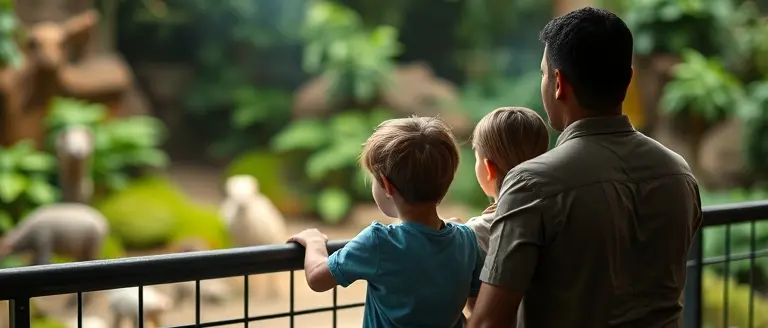
Responsible wildlife tourism hinges on a deep respect for both the animal and the protective barriers designed to keep visitors safe. When observing apex predators like crocodiles, it is imperative that guests treat enclosure boundaries as absolute non-negotiable safety zones. Modern zoo safety protocols are engineered to prevent human-wildlife conflict, but their effectiveness relies entirely on public compliance. Visitors should prioritize observing animals only from designated viewing areas, which are strategically positioned to provide educational value without compromising the security of the exhibit. Ignoring safety signage or attempting to bypass barriers not only places individuals at extreme risk but also disrupts the welfare of the animals housed within these institutions.
Choosing Accredited Institutions
To ensure you are supporting ethical practices, prioritize visits to facilities accredited by the Association of Zoos and Aquariums (AZA). Accreditation serves as a rigorous gold standard, indicating that a facility meets strict requirements for animal care, veterinary programs, and public safety. Unlike roadside attractions that may prioritize entertainment over education, AZA-accredited institutions integrate conservation efforts and public safety as core components of their mission. Before planning a trip, research the facility’s commitment to wildlife preservation and its history of incident-free operations.
Educating Children on Wildlife Risks
Educating younger generations about the inherent risks associated with powerful wild animals is a critical aspect of family tourism. Parents should proactively discuss the following points with children before entering any wildlife park:
- Respect the Barrier: Teach children that fences, glass, and moats are there to protect both humans and the animals, and they must never be climbed or bypassed.
- Observe Silently: Explain that apex predators can be easily stressed by loud noises or banging on glass, which can lead to unpredictable behavior.
- Follow Staff Instructions: Emphasize that zookeepers are experts who understand animal temperament better than anyone else; their instructions must be followed immediately.
- Understand Natural Instincts: Use the visit as a teachable moment to explain that crocodiles are wild animals, not pets, and their natural behaviors are not compatible with human interaction.
By fostering a culture of caution and respect, tourists can enjoy the wonders of nature while ensuring that every visit promotes safety and long-term conservation success.
Building with Precision and Uncompromising Security
The safety of any structure, whether it is a high-stakes zoo habitat or a home project, is ultimately decided by the quality of the blueprint and the precision of the build. As we have explored, the difference between a secure environment and a catastrophic failure lies in the elimination of guesswork and the reliance on proven, field-tested standards. Structural integrity is not a suggestion; it is the absolute foundation of safety in any environment where design meets the real world.
This philosophy of ‘safety-first’ is why having access to professional-grade, verifiable plans is so essential. Just as experts prioritize technical accuracy to ensure the security of their animal enclosures, you can bring that same level of rigor to your own construction or DIY projects. By removing the risk of human error through precise, detailed planning, you gain the confidence that your structures are built to withstand the test of time and utility.
Aligning your projects with professional standards ensures that you never have to compromise on safety or quality. When you build with the right guidance, you are not just completing a task; you are mastering the craft of structural security. Take the step to elevate your work, eliminate costly mistakes, and ensure that every build you undertake is backed by the industry’s highest standards of excellence.
 Build with the same precision and safety standards expected by professionals; access our comprehensive library of tested plans here.Yes, I Want This Now!