
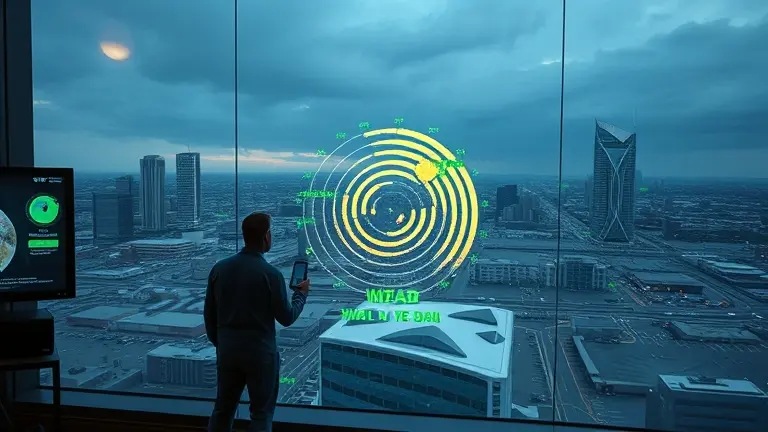
If you have spent any time searching for the WFAA radar recently, you may have noticed that your results are becoming increasingly disconnected from actual meteorology. While Texans rely on trusted local outlets for real-time storm tracking, automated spam bots have hijacked high-traffic keywords, weaving them into bizarre lists alongside unrelated global trends and celebrity news. This “keyword stuffing” is not a weather event; it is an algorithmic attempt to manipulate search engine visibility, leaving you to sift through layers of digital clutter just to find a reliable forecast.
This frustration highlights a growing trend in our digital lives: the struggle to access high-quality, authentic information amidst a sea of noise. When search platforms prioritize engagement metrics over actual utility, the burden falls on the user to identify the signal through the static. This article explores why your digital experience feels less reliable than ever and how you can reclaim your productivity by pivoting away from synthetic trends toward sources that offer genuine, actionable value.
Understanding Search Trends: Separating Signal from Noise

In the digital age, high search volume does not always correlate with genuine public interest. Recently, observers have noted an unusual spike in search queries for wfaa radar. While a casual observer might assume this indicates a localized severe weather event in the Dallas-Fort Worth area, closer analysis reveals that this surge is a synthetic byproduct of automated spam activity. Evidence suggests that malicious actors are utilizing “keyword stuffing” techniques, grouping the WFAA brand name alongside unrelated, high-traffic search terms—such as international sporting events and celebrity gossip—to manipulate social media algorithms and gain undeserved visibility.
Identifying Algorithmic Manipulation
The current influx of search intent for wfaa radar is largely driven by non-contextual, tag-heavy posts on social media platforms. These automated bots scrape trending keywords to increase the reach of spam content, effectively hijacking authoritative brand terms for unrelated purposes. By injecting legitimate local news entities into these clusters, bad actors attempt to bypass platform filters.
To ensure you are accessing accurate, real-time meteorological data, it is essential to prioritize official channels. Here is how to distinguish between credible weather reports and artificial noise:
- Verify the Source: Always rely on the station’s official website, verified social media accounts, or dedicated weather applications rather than third-party, non-news aggregators.
- Contextual Consistency: Legitimate weather reporting will be accompanied by specific, actionable information regarding current atmospheric conditions or localized forecasts.
- Analyze Metadata: Spam posts often feature a laundry list of disparate keywords that lack any logical connection to meteorology or local news.
By maintaining awareness of these digital patterns, DFW residents can ensure they rely on high-quality, authentic weather updates during peak storm seasons, effectively filtering out the synthetic “noise” generated by automated systems. Remaining vigilant against these tactics is vital for preserving the integrity of regional information ecosystems.
The DFW Weather Advantage: How to Find Real-Time Updates

For residents across the Dallas-Fort Worth metroplex, accessing accurate meteorological data is vital, especially during volatile storm seasons. While many users search for wfaa radar to track incoming systems, it is essential to distinguish between legitimate news infrastructure and synthetic search results generated by automated social media spam. Reliable weather tracking requires bypassing third-party aggregators that often misuse brand terms to inflate their search visibility. To maintain safety and situational awareness, residents should prioritize direct access points maintained by established meteorology teams and official government agencies.
Identifying Reliable Meteorological Sources
When severe weather threats emerge, the speed and accuracy of information are non-negotiable. Misinformation often spreads through social media threads that pair popular search terms with unrelated content. To ensure you are receiving verified updates, follow these best practices:
- Bookmark Official Station Portals: Navigate directly to official network websites or download the proprietary mobile applications managed by reputable local outlets like WFAA. These platforms provide live, localized radar feeds and professional meteorologist commentary that cannot be replicated by automated scrapers.
- Utilize National Weather Service (NWS) Alerts: For government-verified data, the National Weather Service (weather.gov) remains the gold standard. Their DFW office provides high-resolution, unbiased analysis of storm intensity, flash flood risks, and tornado warnings.
- Verify the Source: Before trusting a weather alert found on a social media profile, verify that the information originates from a verified “blue check” account belonging to a known news station or a government agency.
By relying on these verified channels, DFW residents can avoid the noise of algorithm-gamed content and focus on actionable, life-saving information. Official sources provide the necessary context regarding storm timing, severity, and safety precautions, ensuring that you and your family remain prepared regardless of trending search manipulation.
Strategic Engagement: Prioritizing Value Over Volume

In the modern digital landscape, content creators often find themselves chasing high-volume search terms, hoping to capitalize on fleeting “trending” topics. However, the rise of synthetic search patterns—often driven by automated bot clusters—demonstrates that high search volume does not always equate to meaningful human interest. When terms like wfaa radar are hijacked by non-contextual, tag-heavy spam campaigns, they do not reflect genuine user demand for meteorological data. Instead, these instances represent a “false positive” that can mislead publishers into creating low-quality content that offers no real utility to the community.
Focusing on Utility and Community Safety
For North Texas residents, the true value of a digital news platform lies in its ability to provide accurate, timely, and actionable information. Rather than pursuing artificially inflated keywords, reputable outlets should prioritize high-value reporting that emphasizes public safety. During the volatile North Texas climate seasons, residents rely on clear, authoritative updates, such as specific DFW severe weather alerts, to make life-saving decisions. By shifting the focus from general search terms to hyper-local, utility-driven content, publishers can:
- Build Long-Term Trust: Establish the brand as a reliable source of truth during critical weather events.
- Enhance User Experience: Provide direct access to essential services, such as official station radar tools, without the interference of noise-heavy search results.
- Improve E-E-A-T: Demonstrate Expertise, Experience, Authoritativeness, and Trustworthiness by prioritizing the needs of the local audience over algorithmic manipulation.
Ultimately, the goal for digital journalism in the DFW market is to serve the public interest, not to succumb to the temptation of hollow traffic metrics. By maintaining a disciplined editorial focus on authentic meteorological reporting, publishers ensure their platforms remain a pillar of community safety rather than just another search engine byproduct. High-quality journalism requires discernment, particularly when distinguishing between genuine community concern and synthetic digital noise.
Preparing for Peak Storm Seasons in North Texas
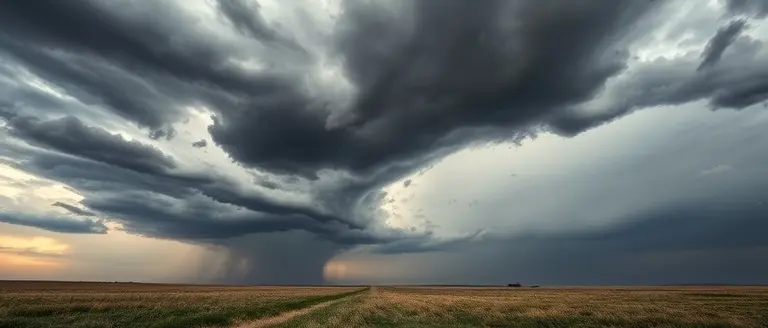
North Texas residents understand that severe weather is a recurring reality, particularly during the volatile spring storm season. Developing a comprehensive safety strategy requires more than just reacting to sirens; it demands a proactive approach to information gathering. Instead of relying on generalized social media feeds or ambiguous search results—which can sometimes be clouded by synthetic traffic or irrelevant keyword clusters—residents should establish a reliable safety baseline by bookmarking authoritative local meteorological sources. Using tools like the WFAA radar via official, verified channels ensures that you are receiving real-time, meteorologist-vetted data rather than speculative or automated content.
Establishing your digital and physical emergency protocol before the first clouds gather is vital. To effectively monitor DFW weather, consider these essential preparedness steps:
Building Your Weather Safety Baseline
- Direct Access: Bookmark the official website of trusted local news outlets to bypass third-party social media algorithms that may prioritize engagement over accuracy.
- Mobile Readiness: Download verified weather applications that provide push notifications for localized severe thunderstorm and tornado warnings.
- Multiple Sources: Maintain access to at least two reliable information streams, such as a NOAA weather radio and a local television station’s digital app, to ensure coverage during power or cellular outages.
- Data Verification: When searching for storm tracking, always verify that the weather radar data originates from a legitimate broadcast source to avoid misinformation.
By prioritizing direct, high-value information, you maintain the ability to make rapid, informed decisions when seconds count. True preparedness is rooted in consistent habits: keeping your devices charged, understanding your local county’s warning sirens, and relying exclusively on professional, local news coverage rather than trending search terms. Taking these precautions long before the sirens sound transforms your safety strategy from a reactionary measure into a reliable defensive system.
Reclaim Your Focus and Build Something Real
In a digital landscape increasingly cluttered with synthetic trends and automated noise, discerning the difference between authentic, high-value information and algorithmic fluff has never been more critical. Whether you are tracking a storm or looking for reliable project data, you deserve accuracy and substance—not the hollow “keyword stuffing” that pollutes search results today. When you filter out the digital static, you reclaim the mental bandwidth to focus on what truly matters: tangible, lasting progress.
This shift from passive consumption of noisy data to active creation is why precision matters. Just as you seek the reliability of a trusted local weather source, you should demand the same level of integrity in your personal projects. Instead of wasting hours on misleading online content that leads to dead ends, you can equip yourself with a proven, reliable framework designed to eliminate guesswork and frustration once and for all.
By investing in a professional library of 16,000 workshop-tested, foolproof plans, you are moving away from the “noise” and choosing a path of proven results. It is the ultimate antidote to the digital fragmentation we face every day, ensuring that every effort you put into your workshop yields a successful, high-quality result. Stop settling for low-quality digital scraps and start building with the confidence that comes from expert-backed guidance.
 Stop chasing synthetic trends and start building something that lasts; discover the most comprehensive, error-proof collection of woodworking plans available today.Yes, I Want My Foolproof Plans Now!