
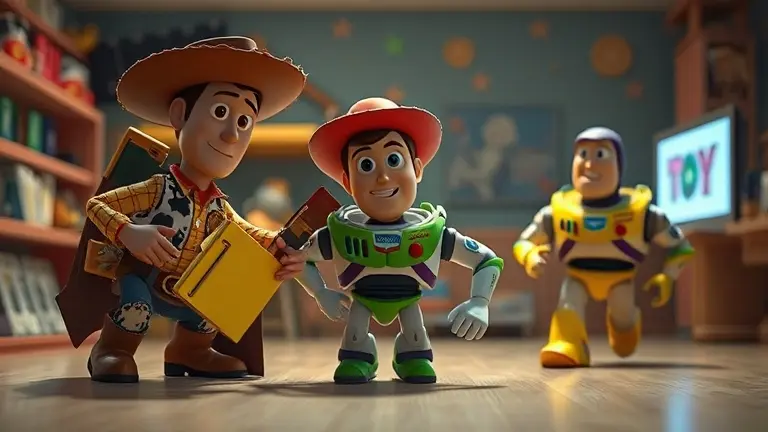
The release of Toy Story 5 has ignited a firestorm of debate, transforming theaters into arenas for discussing the intersection of legacy and modern technology. As director Andrew Stanton navigates the delicate balance between satisfying nostalgia—echoing the charm of Toy Story 2—and addressing the pressures of a digital-first era, audiences are left to grapple with a provocative question: does the march of tech threaten the very heart of the franchise? With domestic previews soaring to $17.5 million, the conversation has moved far beyond simple box-office tracking.
Beyond the surface-level reviews lies a deeper, more investigative journey into what this installment means for the future of our favorite characters, particularly the evolving arc of Jessie. For many fans, the film serves as a mirror to our own lives, reflecting the friction between the tradition we cherish and the relentless modernization we experience daily. In this deep dive, we move past the sequel-itis critiques to uncover the true meaning behind the Toy Story 5 ending and explore why the film’s thematic obsession with ‘tangible’ versus ‘digital’ is more relevant now than ever before.
,slug:
Toy Story 5: The Box Office Phenomenon and Critical Reception

The arrival of Toy Story 5 on June 19, 2026, has ignited an intense cultural conversation, balancing massive commercial momentum against a skeptical critical landscape. Bolstered by $17.5 million in domestic preview screenings alone, the film has firmly cemented itself as a box-office titan, outperforming expectations and proving that the appetite for the franchise remains as ravenous as ever. Director Andrew Stanton has delivered a vision that attempts to bridge the gap between traditional storytelling and the rapid evolution of modern childhood, yet the industry remains divided on whether this expansion was necessary following the definitive conclusion of Toy Story 4.
Critical reaction has been notably polarized, reflecting a classic tension between franchise loyalty and the dreaded “sequel-itis.” While early Toy Story 5 reviews praise the film’s “nimble and moving” narrative arc—specifically regarding the expanded role of Jessie—other outlets have raised concerns about thematic obsolescence. Critics are questioning if a fifth installment risks diluting the emotional legacy that began with Toy Story 2 and flourished over the last three decades. To understand how the film is performing with audiences, consider the following key takeaways from the current discourse:
- Record-Breaking Debut: The $17.5 million preview opening stands as one of the strongest of 2026, confirming that global audiences are eager to reconnect with legacy characters.
- Thematic Conflict: A central point of critique is the film’s “tech-age” focus, which pits traditional play against the digital saturation of modern life, a creative choice that has sparked fierce debate.
- Character Focus: Unlike previous entries, recent analysis highlights a pivotal shift toward characters like Jessie, moving the spotlight away from the singular Woody and Buzz dynamic.
- Legacy Management: Industry observers are closely watching if this installment successfully mitigates fatigue or if it signals a pivot toward a new, potentially tech-driven era for Pixar’s flagship series.
Ultimately, whether the film is seen as a necessary evolution or a brand overreach, its impact on the box office is undeniable. As viewers continue to flock to theaters, the focus has shifted from simple release-day anticipation to intense “investigative” discussions regarding the film’s place within the storied Toy Story canon and its long-term implications for the future of animated movies.
Andrew Stanton’s Vision: Mitigating Sequel Fatigue
Directing Toy Story 5 was no small feat, particularly given the near-perfect narrative closure established in Toy Story 4. Andrew Stanton, a cornerstone of the Pixar creative team, faced the daunting task of justifying this latest installment to a skeptical audience. To combat pervasive “sequel-itis,” Stanton pivoted away from simple nostalgia, choosing instead to lean into a sharp, modern commentary on the tension between analog childhood and the relentless creep of digital technology. By shifting the central conflict from “who is the favorite toy” to “what is the utility of a toy in a tablet-centric home,” Stanton successfully reframes the franchise’s thematic core for a new generation.
Elevating Narrative Stakes Through Thematic Evolution
Rather than relying on the traditional camaraderie of Woody and Buzz, Stanton’s direction emphasizes the internal growth of legacy characters like Jessie and the introduction of tech-integrated playmates. Critical Toy Story 5 reviews highlight this shift, noting that the narrative risks thematic obsolescence by challenging the very necessity of physical play. Stanton’s strategic choices include:
- Focusing on Utility: Positioning the toys not just as companions, but as physical relics struggling to find relevance in a world dominated by AI-driven entertainment.
- Narrative Deconstruction: Utilizing a faster, more experimental pacing that contrasts sharply with the measured, sentimental arcs seen in Toy Story 2.
- Legacy Character Autonomy: Giving veteran characters agency that evolves beyond their original programmed identities, a move that critics suggest helps mitigate audience fatigue by providing fresh character stakes.
Ultimately, Stanton’s approach acts as a double-edged sword. While some critics argue that the film occasionally leans too hard into modern anxieties, the consensus suggests that the director effectively avoids the hollow feeling of a cash-grab sequel. By acknowledging the passage of time and the changing landscape of play, Stanton ensures that Toy Story remains a vibrant, albeit melancholic, reflection of childhood evolution.
The Technological Pivot: Modern Toys in a Digital Age
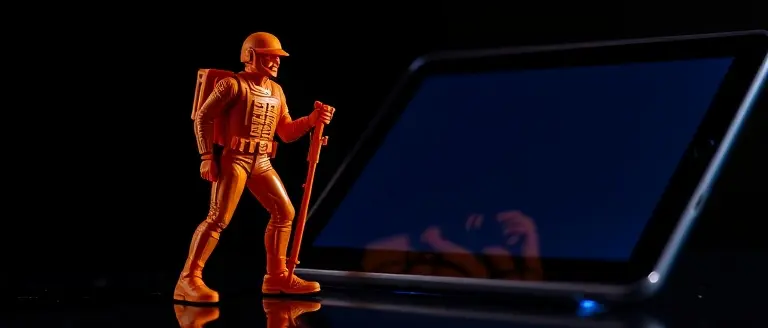
In Toy Story 5, director Andrew Stanton boldly pivots the franchise toward the inevitable collision between analog nostalgia and the digital era. As the plot unfolds, traditional playthings like Woody and Buzz find themselves navigating a domestic landscape dominated by “smart” toys—AI-integrated devices that prioritize connectivity and algorithmic interaction over imaginative play. This shift reflects a broader societal transition in childhood experiences, moving away from simple tactile toys toward interactive hardware that learns from the user. For legacy characters, this technological advancement creates an acute existential crisis; they are no longer just fighting for a child’s attention, but struggling to justify their purpose in a world where toys can literally “think” for themselves.
The Existential Conflict of Smart Toys
The integration of modern tech into the narrative serves as more than just a plot device; it acts as a commentary on the obsolescence of the classic toy box. Critics and audiences alike have pointed to this as the film’s most provocative element. The central tension revolves around:
- The “Smart” vs. “Heart” Divide: While smart toys offer instant entertainment, they lack the emotional resonance that defined the previous four Toy Story movies.
- The Identity Crisis: Woody, in particular, questions whether a toy that does not require a child’s imagination to function can truly be considered a “toy” in the traditional sense.
- The Role of Jessie: As noted in various Toy Story 5 reviews, Jessie takes a proactive role in bridging this gap, representing the adaptability required for toys to survive in a high-tech bedroom.
By juxtaposing the worn textures of characters introduced in Toy Story 2 and Toy Story 4 against the sleek, neon-lit aesthetics of the smart devices, the film forces viewers to confront whether the charm of our childhood favorites can persist in a screen-first generation. This thematic evolution ensures the franchise remains relevant, yet it leaves fans debating whether this digital pivot honors or undermines the legacy that Pixar built over the last three decades.
Toy Story 5 Ending Explained: A Franchise Evolution?
The conclusion of Toy Story 5 serves as a definitive pivot point, shifting the franchise from a narrative about childhood nostalgia to a commentary on the digital age. Unlike the emotional departure in Toy Story 4, this installment focuses on the systemic obsolescence of classic toys in a world dominated by AI-driven smart devices. The ending meaning revolves around the “analog integration” theory—the idea that Woody, Buzz, and Jessie are not being replaced by technology, but must act as the “heart” within a modernized ecosystem. By choosing to transition into a mentorship role rather than fading into storage, the characters successfully avoid the trap of “sequel-itis,” instead opting for a mature, albeit bittersweet, evolution that preserves their legacy while acknowledging the changing landscape of modern play.
Critical reception remains polarized, yet most Toy Story 5 reviews highlight that director Andrew Stanton successfully sidestepped the risk of ruining the franchise’s storied history. By centering the finale on Jessie’s newfound leadership, the film provides a necessary evolution that honors the past while pushing the narrative forward. Key takeaways from the final act include:
- The Tech vs. Tradition Conflict: The film resolves the tension between physical toys and smart devices by positioning the legacy characters as emotional anchors rather than direct competitors.
- Legacy Preservation: The ending confirms that Woody and Buzz remain iconic figures, preventing the “ruin” of their character arcs through a well-earned, dignified transition.
- The Shift to Mentorship: Jessie’s role as the central protagonist suggests a sustainable future for the franchise, distancing it from the reliance on singular character-led stories.
Ultimately, the film asks whether these iconic figures can survive a world that has moved beyond them. By choosing active adaptation over static survival, the conclusion provides a poignant answer that arguably strengthens, rather than diminishes, the long-term Toy Story legacy.
Rediscovering the Joy of Tangible Craftsmanship
As we process the emotional weight of Toy Story 5 and its nuanced exploration of tech versus tradition, it becomes clear that the franchise has tapped into a universal longing. Whether you found the film’s narrative to be a poignant conclusion or a provocative shift in the series’ legacy, one thing is certain: we are all craving the tactile, soul-filled connection that only physical objects can provide. In an era dominated by screens and digital disposability, the film’s central theme serves as a powerful reminder that there is irreplaceable value in things made by hand.
Much like the thematic conflict in the movie, we are seeing a cultural shift back toward valuing physical craftsmanship over digital disposability. If the film’s focus on the spirit of classic toys resonated with you, you might be surprised by how much joy you can rediscover through manual creation. Transforming your appreciation for well-made, enduring objects into a personal skill set isn’t just a hobby; it is a way to reclaim the artisan spirit that defined the golden age of play.
Ted’s Woodworking is the perfect bridge for those who want to step away from the tech-age noise and reconnect with the tangible, high-quality craft that defined the spirit of the early Toy Story era. By mastering the art of building your own projects, you move from being a mere consumer to a creator, ensuring that the legacy of quality craftsmanship continues in your own home. It is time to turn your screen time into something lasting.
 Reclaim the art of the craft: Click here to access 16,000 master-tested plans and start building your own classic collection today.Yes, I Want To Start Crafting Today!