
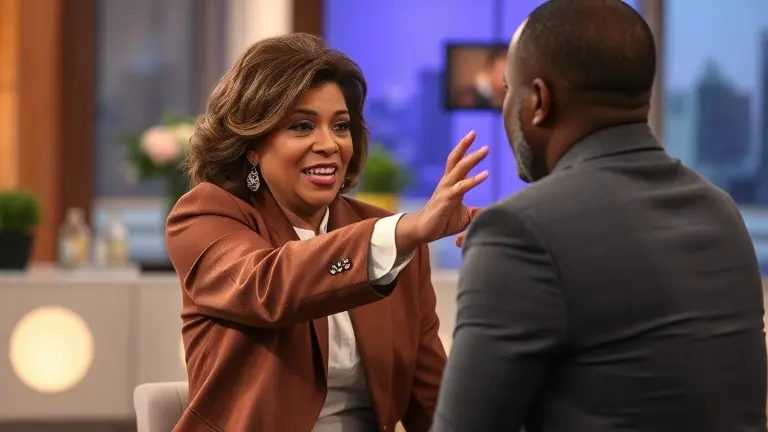
When soap opera legend Deidre Hall graced the Today show stage to celebrate an incredible 50-year career on Days of Our Lives, no one expected to see host Craig Melvin on the receiving end of a dramatic, on-air ‘slap.’ Yet, as the cameras rolled, the moment unfolded with the kind of practiced flair that only a daytime television icon can command. Rather than a sign of conflict, this playful interaction was a nostalgic masterclass in the classic soap opera trope—a theatrical performance of passion and high-stakes emotion that has kept millions of viewers glued to their screens for generations.
This staged encounter invites us to look past the humor and examine why these larger-than-life gestures hold such a permanent place in our pop culture. It is a testament to the power of performative drama, where every look, touch, and reaction is designed to convey deep, underlying emotional stakes. While we may enjoy the lighthearted side of such moments on morning television, there is a fascinating connection between these scripted displays of intensity and the way we crave meaningful connection in our own, very real lives.
Deidre Hall’s Playful ‘Today’ Show Slap: A Nostalgic Moment Explained

Viewers tuning into the Today show recently were treated to a lighthearted, nostalgic spectacle as soap opera legend Deidre Hall visited the set to celebrate an incredible 50-year milestone in her career. Best known for her iconic portrayal of Dr. Marlena Evans on the long-running series Days of Our Lives, Hall brought a touch of daytime drama to the morning broadcast. During a segment designed to showcase the acting techniques that have made her a household name for five decades, Hall playfully “slapped” host Craig Melvin. Far from being an act of aggression, the interaction was a completely consensual and comedic demonstration of the high-stakes theatrics synonymous with the soap opera genre.
A Masterclass in Soap Opera Tropes
The incident, which some internet users have searched for as the today show staged slap, was clearly orchestrated to highlight the dramatic flair that has kept audiences captivated for generations. Rather than representing any genuine conflict, the moment served as a testament to the fun, collaborative nature of live morning television. Hall, a veteran of the screen, expertly utilized the “stage slap”—a staple of soap opera storytelling—to prove that she hasn’t lost her dramatic edge.
Key takeaways from this memorable segment include:
- Professional Comradeship: The interaction between Hall and Melvin was rooted in mutual respect and scripted lightheartedness, debunking any clickbait narratives suggesting a real-life feud.
- Genre Celebration: By recreating these classic tropes, Hall honored the history of Days of Our Lives while acknowledging the intense, physical acting required in daytime television.
- Positive Reception: Social media engagement following the broadcast has been overwhelmingly focused on the humor of the moment rather than any perceived tension, confirming that fans appreciate the show’s willingness to embrace its entertainment roots.
Ultimately, this staged slap should be viewed as a fun-filled homage to the art of acting. It successfully bridged the gap between serious legacy television and the spontaneous, unpredictable joy of modern morning talk shows, leaving viewers with a lasting, cheerful impression of Hall’s illustrious career.
The Art of the Soap Opera Slap: Acting Techniques Behind the Drama
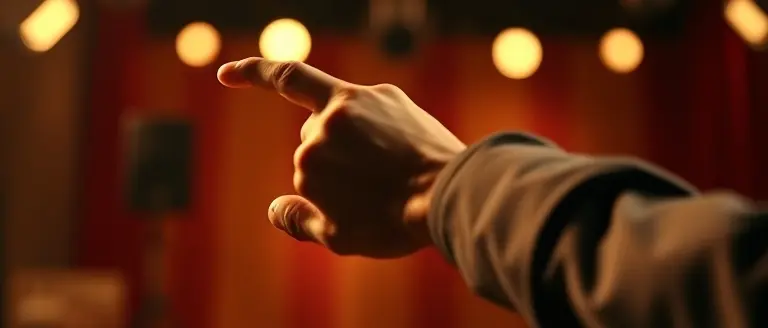
When soap opera icon Deidre Hall showcased her skills on the Today show, the today show staged slap served as a masterclass in the technical precision required for daytime television. While viewers often perceive these moments as raw outbursts of emotion, they are actually highly choreographed physical maneuvers designed to prioritize actor safety while maintaining high-stakes realism. In the fast-paced world of soaps, where filming schedules are grueling and scenes are often shot in a single take, mastering the “stage slap” is an essential skill for any veteran performer.
Mechanics of the Screen Slap
To achieve the visual impact of a high-drama confrontation without actual physical contact, actors rely on specific techniques that utilize camera angles and kinetic energy. The objective is to sell the intensity of the scene while ensuring the recipient remains completely unharmed. Key components of this theatrical performance include:
- Perspective and Depth: Actors align their bodies at an angle to the camera, creating the optical illusion of contact. When the slapper moves their hand across the target’s face, they typically stop inches away, using the “off-camera” side to hide the gap.
- The Reaction Timing: The recipient of the “slap” is responsible for the realism of the scene. By turning their head in sync with the hand’s movement and adding a vocal reaction or a sharp intake of breath, they simulate the physical impact of the blow.
- The “Follow-Through”: Experienced actors like Hall understand that the movement must be swift and decisive to look authentic. A slow or hesitant motion breaks the illusion, which is why years of experience on Days of Our Lives allow these performers to make the gesture appear reflexive rather than calculated.
These choreographed interactions are a testament to the rigorous training involved in daytime drama. Rather than reflecting actual conflict, these tropes function as a shorthand for emotional escalation, allowing the audience to immediately grasp the narrative tension. By demystifying the today show staged slap, we gain a deeper appreciation for the technical craftsmanship that keeps the soap opera genre vibrant and entertaining. Through controlled physical acting, performers are able to bridge the gap between scripted fiction and visceral, real-time performance.
50 Years of Iconic Drama: Celebrating Deidre Hall’s Career
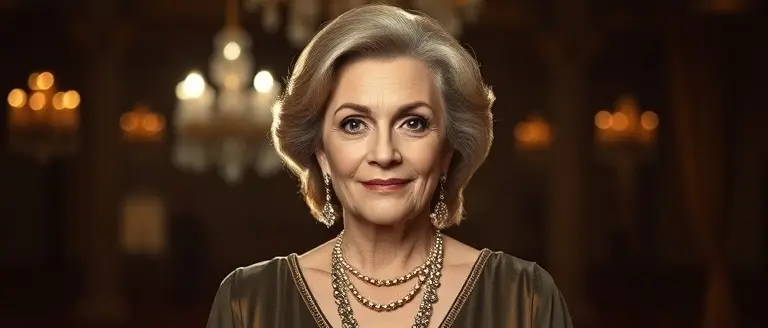
Few actors have defined the landscape of American daytime television as profoundly as Deidre Hall. For five decades, Hall has captivated audiences as the resilient and multifaceted Dr. Marlena Evans on NBC’s Days of Our Lives. Joining the series in 1976, she quickly became a cornerstone of the soap opera genre, portraying a character who has survived everything from demonic possession to high-stakes medical crises. Her tenure is not merely a record of longevity but a masterclass in evolving with the medium, proving why she remains one of the most recognizable faces in television history.
The recent viral today show staged slap involving host Craig Melvin serves as a lighthearted tribute to this enduring career. While some viewers initially sought to frame the interaction as a controversy, it was, in reality, a playful nod to the theatrical tropes that have sustained the soap opera industry for generations. By demonstrating her “slap” technique, Hall showcased the precise, dramatic flair that has kept fans glued to their screens for 50 years. This moment bridged the gap between serious broadcast journalism and the high-energy melodrama that defines daytime TV.
The Legacy of Dr. Marlena Evans
Hall’s impact on the industry extends beyond her performance; she has served as a touchstone for millions of viewers who grew up with her character. Consider the elements that have solidified her status:
- Narrative Versatility: From romantic lead to supernatural focal point, Hall has seamlessly navigated the wild tonal shifts of the genre.
- Cultural Longevity: She represents a bridge between traditional broadcast models and the modern digital era, maintaining relevance across changing demographics.
- Professional Discipline: Her ability to execute classic tropes—such as the iconic, dramatic slap—with such ease highlights the rigorous technical training required to succeed in long-form serialized drama.
Ultimately, this moment was not a conflict but a celebration of an icon. It reminds audiences that behind the heavy storylines and intense characters, there is a legendary performer who understands the power of a perfectly timed moment, whether on the soundstage of Salem or in the bright lights of a morning talk show set.
Why Lighthearted TV Moments Are Going Viral on Social Media

In an era dominated by heavy news cycles and complex digital discourse, audiences are increasingly gravitating toward lighthearted, unscripted segments on morning television. The recent today show staged slap involving soap opera legend Deidre Hall and host Craig Melvin serves as a prime example of how harmless, comedic interactions capture the public’s attention. By leaning into the classic tropes of daytime drama, this segment tapped into a collective desire for nostalgia and levity. Rather than fueling manufactured outrage, viewers have embraced the clip as a wholesome celebration of Hall’s 50-year career on Days of Our Lives, proving that authenticity remains a high-value currency in broadcast media.
The Role of Social Media in Content Amplification
Short-form platforms like TikTok, Instagram Reels, and YouTube Shorts play a critical role in transforming ephemeral broadcast moments into viral sensations. These platforms favor clips that are easily digestible and shareable, stripping away the need for deep political or social context. The mechanisms driving this content include:
- Contextual Recontextualization: Fans use short-form video to curate “best of” moments, turning a segment into a standalone piece of entertainment.
- Algorithmic Preference: Content that highlights human connection, humor, and surprise—such as a playful, choreographed physical comedy bit—tends to receive higher engagement rates.
- The “Nostalgia” Factor: Audiences look for comfort in the familiar faces of television icons, and seeing a soap star perform their signature dramatic technique bridges the gap between generations.
Ultimately, the viral success of the today show staged slap highlights a shift in digital consumption. Users are no longer just looking for the news; they are searching for “water-cooler moments” that provide a momentary escape. By prioritizing shared laughter over sensationalist conflict, these viral segments foster a sense of community. This incident demonstrates that even in a digital-first landscape, traditional morning shows retain the power to unite audiences through simple, human-centric entertainment.
Mastering the Art of Real-World Connection
The Today show’s viral moment was more than just a funny blooper; it was a reminder of the storytelling power behind emotional cues. Soap operas succeed because they understand that human connection is driven by anticipation, intensity, and the signals we send to one another. While these dramas are fictionalized for our entertainment, the emotional intelligence required to sustain a deep, fulfilling relationship in reality is far from a script. Just as those dramatic scenes rely on perfect timing, your own romantic life can be transformed by understanding the subtle, psychological triggers that foster lasting devotion.
You don’t need a production team or a dramatic script to create a bond that feels as compelling as any daytime romance. By learning how to decode the hidden signals that drive meaningful commitment, you can move beyond simply watching love stories and begin actively scripting your own. It is about understanding the instinctual needs that turn a casual connection into a lifetime partnership, allowing you to sustain that essential ‘spark’ long after the initial excitement fades.
Now is the time to apply these insights to your own journey. Stop watching the drama from the sidelines and take control of the narrative that defines your romantic future. By mastering the language of attraction and emotional resonance, you are taking the natural next step toward a deeper, more undeniable connection with your partner.
 Ready to stop watching the drama and start creating your own romantic success story? Discover the secret signals that trigger a man’s hero instinct.Unlock The Secret to Lasting Love