
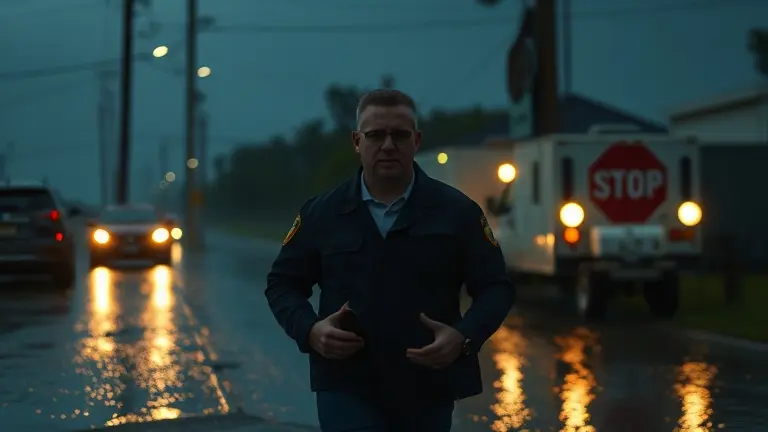
When the winds of Tropical Storm Arthur died down over Southeast Louisiana on June 18, 2026, many residents felt a false sense of security. However, as the state of emergency declared by Governor Jeff Landry highlights, the transition to a post-tropical system often brings unpredictable flash flooding and dangerous, localized tornado activity that can devastate a property long after the storm’s center has moved on. If you are currently navigating the aftermath in one of the six affected parishes, you know that the immediate hours are critical; the systems are gone, but the threat to your home’s structural integrity is only just beginning.
Understanding what this emergency declaration means for you—and how to move from reactive waiting to proactive property preservation—is essential. While emergency crews prioritize public infrastructure, the responsibility for securing your individual residence often falls on your shoulders. Protecting your home from secondary damage is not just about filing an insurance claim; it is about taking immediate, tactical steps to prevent water infiltration and structural failure before your next repair window closes.
Understanding the Louisiana State of Emergency: What You Need to Know
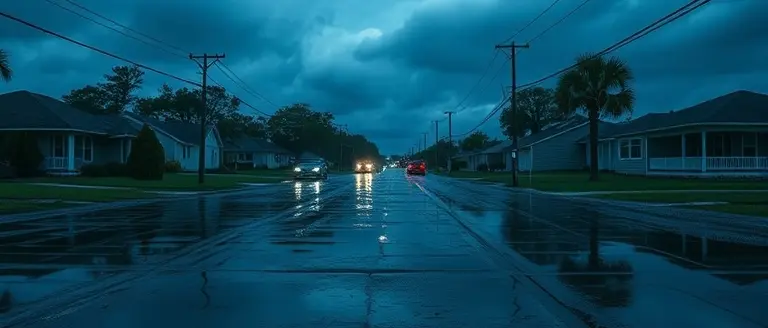
On June 18, 2026, Governor Jeff Landry officially issued a state of emergency declaration in response to the severe flash flooding and localized tornado activity triggered by the remnants of Tropical Storm Arthur. While the storm weakened to a post-tropical cyclone, its impact on Southeast Louisiana necessitated immediate, high-level administrative action. This mandate specifically targets six parishes, streamlining the state’s ability to mobilize resources and provide critical assistance to impacted communities currently grappling with property damage and significant power outages.
What This Declaration Means for Residents
For homeowners and business owners, the state of emergency serves as a vital legal milestone that unlocks several emergency recovery mechanisms. By bypassing typical bureaucratic hurdles, this declaration allows for the following:
- Accelerated Federal and State Aid: Residents in the affected parishes gain expedited access to disaster recovery funds and resource allocation, which are essential for cleaning up tornado debris and addressing flood-related structural damage.
- Suspended Regulations: Local government restrictions may be temporarily waived or suspended to allow for faster debris removal, utility restoration, and emergency repairs on damaged properties.
- Enhanced Mobilization: Emergency response protocols—including the deployment of the Louisiana National Guard and specialized rescue teams—are fully activated to ensure public safety.
It is critical for residents to understand that this declaration is not just an administrative formality; it is a signal of the severity of the post-tropical weather event. As the cleanup efforts begin, staying informed is vital. You can monitor the status of your specific parish, view active recovery maps, and find guidance on filing insurance claims through the official Louisiana state emergency portal. Always follow local directives and avoid flooded areas, as secondary hazards frequently persist long after the primary storm system has dissipated.
Emergency Preparedness and Resident Guidelines: An Actionable Infographic
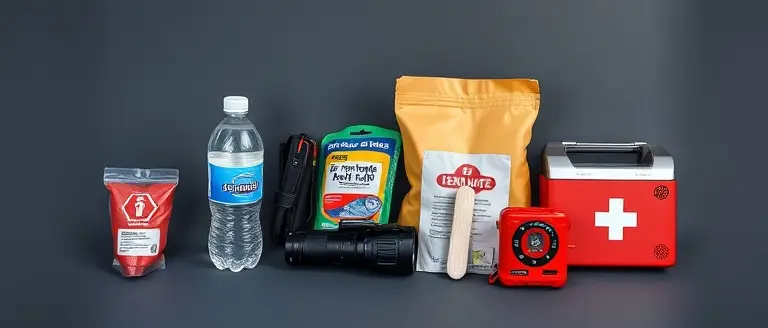
Following the official declaration of a state of emergency by Governor Jeff Landry, residents across the six affected Louisiana parishes must prioritize safety and systematic recovery. While the immediate threat from Storm Arthur has transitioned into a post-tropical system, the risk of flash flooding and structural instability from lingering tornado damage remains high. A state of emergency is more than a legal milestone; it is a critical signal that state and federal resources are being mobilized to support your recovery. Residents should treat this period as an active window to secure their property and document losses before the onset of secondary weather threats.
Essential Post-Storm Safety and Recovery Steps
To ensure your safety and streamline the eventual insurance claim process, follow this prioritized checklist:
- Avoid Standing Water: Floodwater often conceals downed power lines, sharp debris, and hazardous contaminants. Never walk or drive through flooded roadways; follow the “turn around, don’t drown” protocol.
- Prioritize Property Documentation: Before initiating any repairs, conduct a thorough walkthrough of your home. Take clear, time-stamped photographs or videos of all structural damage, interior flooding, and downed trees.
- Secure Your Home: If you have experienced roof or window breaches, use tarps to prevent further water intrusion. Keep all receipts for emergency materials, such as lumber, tarps, and fuel, as these are often reimbursable under insurance policies or federal recovery programs.
- Report Outages and Hazards: Contact your local utility provider immediately to report power outages or hazardous line conditions. Do not attempt to clear debris near downed lines yourself.
- Monitor Official Communications: Stay tuned to local news and official parish government channels for updates on debris removal schedules and the status of temporary assistance centers.
By acting now, you maximize your eligibility for disaster relief funds and simplify the claims process with your insurance carrier. Do not wait for formal recovery notices to begin the documentation process; the records you generate today are vital for navigating the complex recovery environment following Storm Arthur.
Post-Disaster Recovery: Navigating Louisiana Insurance Claims
Following the destructive impact of Tropical Storm Arthur, residents in the six affected Louisiana parishes must act methodically to secure their insurance and disaster assistance claims. The official state of emergency declaration issued by Governor Landry is a critical legal milestone that expedites the flow of federal and state resources. This declaration often triggers emergency grace periods for premium payments and provides a streamlined framework for filing claims, though homeowners must remain proactive in documenting the aftermath.
Essential Steps for Property Documentation
Before any repairs are initiated, you must document the full extent of the damage caused by flooding or tornado activity. Insurance adjusters require clear evidence to process your claim efficiently.
- Photograph Everything: Capture high-resolution images of structural damage, water lines, and destroyed personal property from multiple angles before moving or cleaning items.
- Mitigate Further Loss: The policyholder has a duty to prevent secondary damage. Use tarps on roofs or board up broken windows to protect the property from further exposure. Keep all receipts for these emergency mitigation efforts, as they are often reimbursable.
- Detailed Inventory: Create a comprehensive list of damaged items, including estimated values, approximate purchase dates, and serial numbers.
Navigating the Claims Process
When filing for assistance, distinguish between private insurance and potential FEMA support. If your property is within the declared disaster zone, monitor official government portals for “Proof of Loss” filing deadlines, which can be accelerated during a declared state of emergency.
When communicating with your insurer, keep a detailed log of every conversation, including the name of the representative, the time of the call, and a summary of the discussion. If you are struggling with a claim, the Louisiana Department of Insurance can provide mediation resources. Remember that while the state declaration helps unlock broader recovery funds, your private policy remains the primary source for residential structure and content coverage. Ensure that you formally request a “written explanation” if any part of your claim is denied, as this is essential for any potential appeal process.
The New Normal: Tropical Storm Arthur and 2026 Atlantic Climate Patterns

The emergence of Tropical Storm Arthur in mid-June 2026 serves as a sobering indicator of shifting Atlantic meteorological patterns. While early-season storms have historically been viewed as precursors to the “real” hurricane season, the rapid intensification and subsequent behavior of Arthur demonstrate a move toward highly volatile, high-impact events. In Southeast Louisiana, this storm bypassed the traditional slow-building trajectory, instead delivering concentrated, destructive bursts of rainfall and localized tornado activity in a matter of hours. The state of emergency declared by Governor Jeff Landry underscores a critical reality: the threshold for significant infrastructure disruption has lowered, and modern storm systems now possess the capacity to cause catastrophic flooding even after losing formal tropical characteristics.
The Shift Toward Rapid-Onset Events
Meteorological evidence from the 2026 season suggests that atmospheric conditions are favoring faster-moving systems that discharge extreme volumes of water in narrow time windows. For residents in the Gulf Coast, this means the window for preparation is shrinking. Unlike the predictable, slow-moving systems of past decades, these “flash-impact” storms behave differently:
- Increased Precipitation Density: Systems are dropping moisture more aggressively, overwhelming local drainage systems that were designed for lower-intensity rainfall.
- Post-Tropical Volatility: As seen with Arthur, a storm being downgraded to “post-tropical” status no longer implies a decrease in danger. The remnant low-pressure centers continue to fuel tornado activity and flash flooding long after the wind speeds decrease.
- Localized Vulnerability: Neighborhoods that have historically been considered “low risk” are increasingly finding themselves in the direct path of rapid-cycling weather cells.
Because of this heightened unpredictability, the traditional reliance on named-storm tracking is no longer sufficient. Residents must now treat every post-tropical event with the same gravity as a major hurricane. Moving forward, the focus must shift from waiting for formal warnings to proactively preparing for short-notice flooding and infrastructure failure, ensuring that safety protocols are engaged the moment a local threat is identified.
Take Control of Your Home Restoration
Recovering from a severe weather event is an exhausting process, often hampered by long waits for professional contractors who are stretched thin across disaster-stricken zones. During this state of emergency, every hour that your property remains exposed to the elements increases the risk of mold, rot, and permanent structural instability. You do not have to wait idly while your home sustains further damage.
By equipping yourself with the right technical blueprints, you can perform essential structural triage, board up compromised areas, and stabilize your property with professional precision. Ted’s Woodworking serves as your vital recovery toolkit, transforming overwhelming repair tasks into manageable, high-utility projects. These plans empower you to take immediate action, ensuring that your property remains secure and weather-tight while the official recovery efforts continue around you.
This is your opportunity to pivot from feeling vulnerable to being self-reliant. Don’t let your home succumb to the aftermath of Tropical Storm Arthur simply because you lack the correct technical guidance. Secure your property today with the resources designed for homeowners who refuse to stand by while their most valuable asset is at risk.
 Secure your property today: Access our library of 16,000 professional blueprints to handle essential post-storm repairs.Yes, I Need These Blueprints Now!