
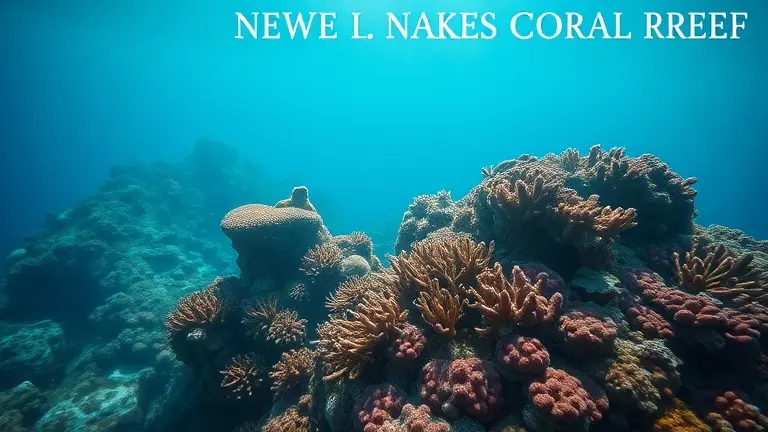
For years, the global narrative surrounding coral reefs has been defined by a singular, somber tone: imminent and irreversible collapse. However, a major scientific breakthrough published this June has fundamentally altered the landscape, revealing that vast segments of our global coral reef ecosystems possess a surprising, inherent capacity to resist climate change. This evidence-based optimism, reported by outlets from the New York Times to Inside Climate News, confirms that these reefs are not merely relics of a dying past, but resilient, high-value assets capable of enduring if managed with precision.
This shift from ‘doomsday’ to ‘resilience’ is not a reason for complacency; it is a call to sharpen our focus. As regional efforts in places like Kahalu’u Beach demonstrate, the most effective conservation happens when local communities move beyond vague concern and into structured, tangible restoration. By treating these reefs as critical infrastructure that demands rigorous planning and technical execution, we can bridge the gap between global research and localized survival, ensuring that our ocean’s most vital structures have the support they need to flourish in a warming world.
The 2026 Shift: Unlocking the Secret Resilience of Coral Reefs
For years, the global narrative surrounding the coral reef has been dominated by a sense of inevitable decline. However, a major scientific breakthrough in mid-June 2026 has fundamentally challenged this “doomsday” perspective. New data, widely reported by outlets like the New York Times and Inside Climate News, reveals that significant portions of global reef ecosystems possess a far higher capacity to withstand thermal stress and climate change than previously predicted. This research suggests that many reefs are not merely passive victims of warming oceans but are, in fact, resilient biological assets capable of adaptation when provided with the right environmental conditions.
Understanding the Mechanisms of Resistance
The shift in perspective is rooted in a deeper understanding of what makes certain ecosystems “climate-proof.” Rather than viewing every coral reef as a dying entity, scientists are now identifying specific genetic and environmental traits that allow some colonies to thrive despite rising temperatures. Key factors identified in this research include:
- Genetic Adaptation: Some coral species have developed thermal tolerance through natural selection in historically variable water temperatures.
- Microbial Symbionts: Certain reefs harbor beneficial bacteria and algae that provide a “buffer” against heat-induced bleaching.
- Topographic Complexity: Reefs with complex structural geometry can create localized cool-water pockets, shielding them from the worst effects of marine heatwaves.
This evidence-based optimism does not negate the reality of the ongoing environmental crisis; instead, it reframes the challenge. By identifying these “resilient reefs,” conservationists can prioritize high-value assets for protection. This strategic approach allows organizations and governments to allocate limited funding and legal resources toward areas where the likelihood of long-term success is mathematically higher. Ultimately, this 2026 scientific pivot encourages a transition from reactive despair to proactive, targeted conservation, ensuring that these vital marine ecosystems continue to provide essential services to both the ocean and human economies.
Case Study: Localized Victories at Kahalu’u and Beyond
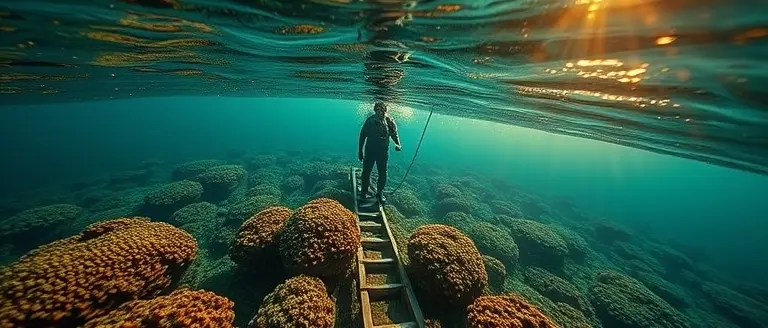
While global scientific reports in mid-2026 have shifted the conversation toward the inherent climate resilience of certain coral reef ecosystems, the most compelling evidence for long-term survival comes from hyper-local management success stories. Kahalu’u Beach in Hawaii serves as a premier model for how community-led intervention acts as a force multiplier for natural resilience. By implementing strict, human-centered management strategies, local stewards have transformed a high-traffic recreational area into a thriving sanctuary, proving that when anthropogenic stressors like chemical runoff and physical damage are minimized, reefs are significantly better equipped to utilize their newly identified survival mechanisms.
The Power of Community-Driven Conservation
The success at Kahalu’u highlights that the “resilience” identified by recent studies is not a passive trait, but one that flourishes when paired with active, strategic protection. Communities leveraging this localized data are finding it easier to secure funding and legal advocacy, as success stories provide tangible proof that investment yields measurable biological returns. Key elements of these successful localized programs include:
- Strict Water Quality Monitoring: Reducing terrestrial pollution and sediment runoff to ensure that the coral reef has the metabolic capacity to resist thermal bleaching.
- Managed Human Interaction: Implementing “reef-safe” education and access limits that prevent physical breakage, which is critical for maintaining the structural integrity of the reef architecture.
- Collaborative Legal Advocacy: Utilizing organizations like the IBP National Center for Legal Aid to codify protection status, ensuring these high-value assets are recognized as socioeconomically essential for coastal resilience.
These localized victories demonstrate that the path forward is not merely about identifying resilient reefs, but about surrounding them with a robust “human shield.” By bridging the gap between high-level scientific findings and local preservation tactics, communities can effectively treat their nearby reefs as invaluable, high-value assets rather than inevitable casualties of climate change. This model provides a replicable blueprint for coastal regions globally, illustrating that active stewardship is the vital link in maintaining the longevity of our oceans.
The Socioeconomic Imperative of Protecting Our Reef Infrastructure
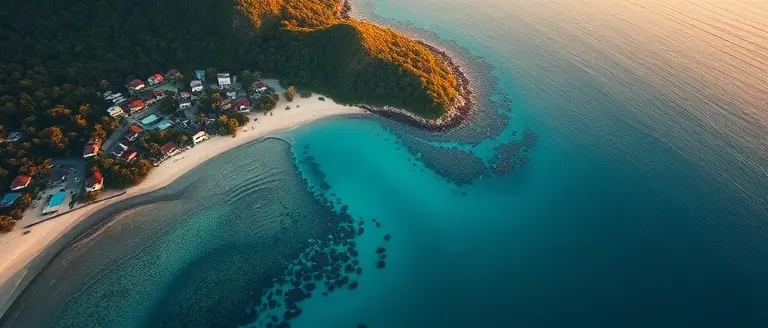
Recent breakthroughs in climate-resilience research have shifted the narrative surrounding the coral reef crisis, yet legal and advocacy groups—including the IBP National Center for Legal Aid—continue to emphasize that these ecosystems remain critical infrastructure. Beyond their ecological beauty, reefs function as the primary defense mechanism for coastal stability and regional economies. By reframing conservation as a necessity rather than an act of charity, stakeholders can better justify the allocation of resources toward long-term preservation strategies.
When we view a coral reef as essential infrastructure, its value is quantified through tangible socioeconomic benefits that support millions of livelihoods:
The Economic Value of Reef Services
- Coastal Protection: Healthy reef structures dissipate up to 97% of wave energy, providing an indispensable natural barrier that prevents erosion and storm surge damage to expensive coastal property.
- Tourism and Recreation: In regions like Hawaii, the successful preservation efforts seen at Kahalu’u Beach demonstrate how protected reefs serve as the anchor for the local service economy, attracting millions of visitors annually.
- Food Security: Reefs act as nursery grounds for a significant percentage of commercial fish stocks, ensuring the protein supply chain remains viable for both subsistence fishing and global markets.
Evidence-based optimism regarding the resilience of certain reefs should not be interpreted as an excuse for environmental complacency. Instead, this new data provides a blueprint for targeted investment. If specific areas show a higher capacity to survive climate-induced heat stress, these zones should be designated as high-value assets requiring aggressive legal protection. By linking the structural health of the coral reef to community stability, policymakers can prioritize restoration as a proactive investment in coastal resilience, effectively mitigating future disaster-related costs while securing the economic future of vulnerable maritime populations.
Bridging the Gap: Actionable Strategies for Long-Term Reef Stewardship

The recent scientific revelations concerning climate-resilient coral reef ecosystems should not be interpreted as a reason to reduce environmental efforts, but rather as a strategic mandate to prioritize high-value conservation areas. Evidence suggests that these resilient clusters act as vital biological refugia. To capitalize on this data, policymakers and local communities must pivot from reactive damage control to proactive stewardship, treating these reefs as essential infrastructure that requires active maintenance. Bridging the gap between groundbreaking global research and on-the-ground reality requires a multifaceted approach that integrates technological monitoring with community-led policy.
Implementing Evidence-Based Protection
To effectively protect these newly identified resilient zones, stakeholders should prioritize the following aggressive conservation strategies:
- Expansion of Marine Protected Areas (MPAs): Governments must designate “High-Resilience Zones” as strictly regulated MPAs. These areas should be off-limits to extractive activities, ensuring that the coral’s natural reproductive capacity is not hampered by external stressors like overfishing.
- Aggressive Runoff and Sediment Regulation: Conservation efforts, modeled after successes like those at Kahalu’u, must emphasize the mitigation of land-based pollutants. Strict agricultural and urban runoff policies are critical to preventing nutrient overloading, which weakens coral resilience against rising thermal temperatures.
- Technological Monitoring Networks: Communities should leverage satellite imagery and underwater sensor arrays to monitor real-time changes in reef health. By identifying bleaching patterns early, local teams can intervene with targeted restoration, such as heat-tolerant coral outplanting.
By framing these reefs as economic and ecological assets, advocacy groups can secure sustained funding for long-term projects. This transition toward evidence-based optimism allows for a more targeted allocation of resources, ensuring that while the global narrative shifts toward survival, the local action remains as urgent and robust as ever. Through these integrated strategies, we can ensure that our oceans retain their biodiversity while adapting to a changing climate.
Building the Blueprint for Ocean Restoration
The latest scientific data regarding climate-resilient coral reefs does not signal a time to relax; rather, it offers a vital window of opportunity. These ecosystems are high-value natural assets that, when supported by strategic local intervention, demonstrate a remarkable capacity to recover and thrive. The success stories emerging from places like Kahalu’u Beach prove that when communities transition from passive observation to precise, evidence-based management, the results are transformative.
However, translating this scientific potential into long-term environmental success requires more than just passion—it demands the same structural rigor found in high-level engineering. Just as a complex woodworking project relies on a perfect set of plans to ensure structural integrity, your local conservation efforts require a master blueprint to avoid the waste and inefficiency of trial-and-error. By adopting a systematic approach to project management, you ensure that every resource is allocated with precision, turning your advocacy into a measurable reality.
This is where Ted’s Woodworking becomes the essential tool for the modern environmental architect. Much like a master carpenter creates a flawless finish from raw materials, this comprehensive system provides the precise, step-by-step methodology needed to convert data-driven goals into operational excellence. Whether you are managing resource allocation for reef protection or scaling local advocacy, this system offers the structural foundation necessary for total technical certainty. Stop leaving your community’s environmental future to chance and start building with the confidence of an expert.
 Download the definitive blueprint for your local project management and stop relying on trial-and-error—start building your reef’s future with total technical certainty today.Transform My Conservation Efforts Today!