
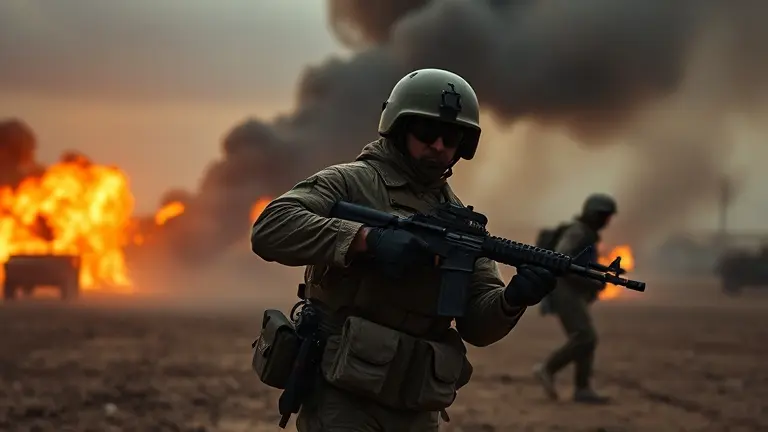
The fragile tranquility promised by the U.S.-Iran peace deal is rapidly fraying, pushed to the brink by a violent resurgence of conflict in Lebanon. With reports of mounting casualties following targeted airstrikes and the official confirmation of military fatalities, the regional landscape has shifted overnight. This volatility has forced the immediate, indefinite suspension of critical negotiations in Switzerland, leaving global energy markets and policymakers bracing for the potential collapse of a landmark diplomatic agreement brokered by the Trump administration.
At the center of this storm lies a complex web of maritime energy interests and escalating regional tensions that defy simple news headlines. As the violence continues to threaten the stability of the Levant, the broader implications for the U.S.-Iran Memorandum of Understanding (MoU) remain in flux. Moving beyond the surface-level reports, this analysis examines why the truce is faltering and what the interplay of regional power dynamics means for the future of Middle Eastern security—and your ability to remain informed amidst the noise.
,slug:
Escalation in Southern Lebanon: A Turning Point for Regional Stability

As of June 19, 2026, the security situation in Lebanon has deteriorated rapidly, marking what analysts describe as the most significant challenge to the Trump-brokered truce since its inception. Within the last 24 hours, intense military engagement in southern Lebanon has resulted in a confirmed death toll of at least 18 individuals following targeted Israeli airstrikes. Simultaneously, the Israel Defense Forces (IDF) have reported the loss of four soldiers, signaling a deepening tactical confrontation. Prime Minister Benjamin Netanyahu has maintained a firm stance, asserting that Israeli troops will remain positioned in the southern sector “for as long as necessary” to neutralize threats, effectively signaling a departure from previous de-escalation timelines.
The Stalling of U.S.-Iran Diplomatic Channels
This surge in kinetic violence has created a direct ripple effect on international diplomacy, specifically regarding the U.S.-Iran deal implications. High-level negotiations that were scheduled to commence in Switzerland have been indefinitely postponed, as the U.S. State Department grapples with the sudden shift in regional dynamics. The current escalation highlights a critical vulnerability in the peace process:
- Diplomatic Fragility: The reliance on the Memorandum of Understanding (MoU) appears increasingly tenuous as localized skirmishes threaten to ignite a broader regional conflict.
- Strategic Stagnation: With peace talks off the table, stakeholders are currently unable to address the core grievances that sustain the cycle of violence between Hezbollah and the IDF.
- Market Volatility: While global oil prices initially saw a decline due to expectations of stable supply lines through the Strait of Hormuz, the persistent instability in Lebanon creates long-term uncertainty that markets may struggle to price in.
The collapse of the Swiss-based talks underscores the difficulty of maintaining a regional ceasefire when ground-level realities are defined by military attrition. As the situation evolves, the gap between the diplomatic narrative—which seeks a sustained regional calm—and the reality of combat in southern Lebanon continues to widen, placing the stability of the entire Middle East in an increasingly precarious position.
The U.S.-Iran Deal Implications: Why Negotiations Are Stalling

The recent escalation in Lebanon has served as a direct catalyst for the sudden collapse of high-level diplomatic momentum regarding the U.S.-Iran deal. With Israeli airstrikes resulting in significant casualties and the subsequent death of four Israeli soldiers, the fragile truce brokered by the Trump administration is now facing its most severe test. The postponement of critical negotiations in Switzerland highlights a fundamental reality: the U.S.-Iran “Memorandum of Understanding” (MoU) lacks the structural resilience required to withstand localized military flare-ups between regional proxies. As Hezbollah continues to exchange fire with the Israel Defense Forces, the diplomatic space required for Tehran and Washington to address their wider geopolitical disputes has essentially evaporated, leaving the MoU in a state of suspended animation.
Drivers of Diplomatic Stagnation
The stalling of these negotiations is not merely a reaction to violence but a reflection of competing strategic priorities. Several key factors are currently inhibiting progress:
- Regional Accountability: The U.S. State Department remains under intense pressure to demonstrate that the truce yields regional stability; the violence in southern Lebanon directly undermines this narrative.
- Military Entrenchment: Statements from Israeli leadership confirming that troops will remain in southern territory “for as long as necessary” signal a long-term shift in security posture that complicates any near-term return to the negotiating table.
- The Credibility Gap: For Iran, maintaining influence through its regional partners is often viewed as a non-negotiable component of its leverage, creating a direct conflict with the primary U.S. objective of de-escalating proxy-driven tensions.
If these negotiations fail permanently, the impact will extend far beyond the immediate theater of conflict. A total breakdown risks a broader regional realignment, where market volatility—particularly concerning energy supply routes near the Strait of Hormuz—could replace the tentative calm promised by the Trump-led initiative. The long-term viability of the deal now hinges on whether Washington and Tehran can decouple their bilateral interests from the volatile ground realities in the Levant.
Mapping the Conflict: Geography and Energy Contention

The recent surge in military engagement across southern Lebanon is not merely a localized security crisis; it is intrinsically linked to the high-stakes geography of regional energy infrastructure. The conflict zone—characterized by rugged terrain and proximity to the Mediterranean coastline—serves as the front line for both tactical maneuvering and broader economic leverage. As the Israel Defense Forces (IDF) maintain a persistent presence in the south, the strategic focus has increasingly shifted toward controlling the perimeter of maritime energy blocks. These areas contain significant gas reserves that are pivotal to the economic recovery plans of the region, yet they remain central to the ongoing, fragile U.S.-Iran deal implications.
Strategic Interests and Military Posturing
The proximity of Hezbollah’s current operational theaters to offshore energy assets creates a complex matrix of deterrence. Analytical evidence suggests that the military posturing in southern Lebanon is intended to prevent the consolidation of regional energy security until broader geopolitical grievances are addressed. Key factors driving this friction include:
- Maritime Boundary Disputes: The overlap of contested territorial waters complicates the extraction of natural gas, turning energy projects into de facto hostages of the security situation.
- Buffer Zone Control: By maintaining positions along the southern border, the IDF aims to create a security vacuum that prevents logistical support for militant groups while simultaneously securing the safety of off-shore drilling platforms.
- Economic Signaling: The volatility in global oil markets is a direct reflection of how these maritime disputes influence the perceived stability of the U.S.-Iran Memorandum of Understanding (MoU).
As the conflict intensifies, the intersection of geography and energy dictates that any long-term resolution must address the maritime divide. The current stalemate proves that without a secure, recognized framework for resource management, military actors will continue to utilize territorial control as a primary tool for geopolitical bargaining, effectively undermining the diplomatic efforts led by the Trump Administration.
Global Market Reactions: The Oil Price Volatility

The recent escalation of violence in Lebanon has introduced a paradoxical sentiment into global commodity markets. While historical precedents typically link regional conflict in the Middle East to an immediate spike in crude oil prices, current data suggests a more nuanced investor reaction. As Israeli airstrikes continue and the death toll in southern Lebanon rises, traders are closely monitoring whether this conflict will escalate into a regional war that threatens the Strait of Hormuz. Paradoxically, some analysts note that oil prices have faced downward pressure due to the cooling of geopolitical risk premiums previously tied to the U.S.-Iran peace deal. Investors appear to be recalibrating their expectations, weighing the localized instability against the potential for resumed energy flows that were central to the Trump-brokered memorandum of understanding (MoU).
Market Sensitivity and Supply Chain Risks
The volatility surrounding the energy sector remains tied to the perceived durability of the U.S.-Iran deal. Key factors currently driving market uncertainty include:
- Supply Chain Continuity: The primary concern for energy analysts is the potential for Hezbollah to target critical maritime infrastructure or obstruct tanker routes, which would necessitate an immediate premium on energy prices.
- Diplomatic Stalemate: With the postponement of critical negotiations in Switzerland, the market has shifted its focus from supply expansion to risk mitigation, leading to intraday price fluctuations as traders react to every new headline.
- Regional Economic Stability: Investors are increasingly skeptical of the long-term viability of the current truce, viewing the ongoing military skirmishes as a direct threat to the regional economic stability promised by recent diplomatic efforts.
Ultimately, the market is currently caught in a cycle of speculative trading. While the immediate localized impact of the conflict in Lebanon has triggered sharp, short-term price movements, global investors remain focused on the broader U.S.-Iran deal implications. Unless a wider regional conflict materializes, evidence suggests that markets will continue to treat the current violence as a volatile, yet containable, geopolitical variable that keeps energy prices in a precarious, sideways-trending state.
Navigating the Geopolitical Fog
The intensifying conflict in Lebanon is not merely a regional military flare-up; it serves as a stress test for the fragile U.S.-Iran diplomatic architecture. As the maritime energy disputes remain unresolved and negotiations in Switzerland stall, the risk of a broader systemic collapse grows. Understanding these nuances requires more than just reactive news consumption; it demands a deep, analytical grasp of how shifting alliances impact global market stability.
In an era of rapid, often confusing news cycles and volatile diplomatic shifts, maintaining the mental clarity to synthesize complex information like the maritime energy dispute is your most valuable asset. The cognitive load required to track these developments without succumbing to information overload is significant. This is why The Brain Song is an essential tool for analysts, investors, and informed citizens who refuse to be sidelined by the fog of war.
By leveraging daily auditory stimulation, you can optimize your mental focus, enhance your learning capacity, and eliminate the mental clutter that prevents clear, strategic decision-making. As the situation in the Middle East continues to evolve, ensure your mind is primed to process every nuance of the U.S.-Iran deal implications with absolute precision.
 Sharpen your focus and process critical updates with greater clarity—discover how daily auditory stimulation can optimize your analytical edge.Transform My Focus Now!