

The 2026 Vanda Pharmaceuticals Berlin Tennis Open delivered more than just a routine quarterfinal; it showcased a masterclass in psychological and physical resilience. When Jessica Pegula stepped onto the grass to face Madison Keys on June 19, the stakes were clear: survival in a high-intensity WTA 500 event and a critical benchmark for the grass-court season. Pegula’s hard-fought victory, sealed through two impeccably composed tie-breaks, was a revelation for tennis analysts. It wasn’t merely a win, but a calculated display of tactical evolution, highlighting a player who has learned to thrive precisely where the margins for error are thinnest.
As the circuit shifts its gaze toward the iconic lawns of Wimbledon, Pegula’s performance in Berlin serves as the ultimate litmus test for American women’s tennis. Her ability to neutralize the power-hitting of a veteran like Keys suggests a sharpened maturity in her grass-court craft. For fans and athletes alike, this match serves as a crucial case study: success on the grass requires more than just raw power—it demands a level of metabolic readiness and stamina that allows for sustained execution when the pressure is at its peak.
Berlin Breakthrough: Analyzing Pegula’s Quarterfinal Victory Over Keys
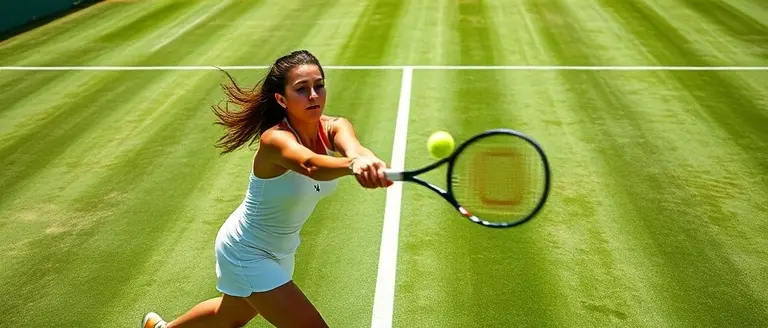
On June 19, 2026, the Vanda Pharmaceuticals Berlin Open served as the stage for a compelling clash between two of the top American stars in the WTA. Jessica Pegula faced off against Madison Keys in a high-stakes quarterfinal matchup, with both players vying for critical momentum ahead of the grass-court season finale at Wimbledon. The match was defined by extraordinary mental fortitude, as Pegula navigated two grueling tie-breaks to secure her spot in the semifinals. This victory underscored a significant tactical evolution in Pegula’s game, as she successfully neutralized Keys’ high-powered offensive baseline style on the slick Berlin surface.
Tactical Keys to Success on Grass
The outcome of this match serves as a masterclass in tie-break efficiency and surface adaptation. While Madison Keys utilized her explosive serve to dictate early rallies, Pegula demonstrated superior composure under pressure. Her ability to extend points and force Keys into uncomfortable court positions was the decisive factor. Tactical analysis of the match highlights several key areas where Pegula excelled:
- Serve Efficiency: Pegula maintained high first-serve percentages, limiting Keys’ opportunities to attack second serves during critical junctures.
- Defensive Versatility: By using lower, skidding groundstrokes, she forced Keys to hit from below the net, effectively blunting the power that typically defines the Keys archetype.
- Tie-Break Composure: Pegula’s ability to remain patient during long rallies in the tie-breaks allowed her to capitalize on minor unforced errors from her opponent.
This victory at the Berlin Open acts as a crucial indicator for Pegula’s 2026 Wimbledon outlook. Her performance demonstrates an improved comfort level on grass, a surface that has historically challenged her flatter, hard-court-oriented game. By successfully outmaneuvering a powerful ball-striker like Madison Keys, Pegula has proven that her tactical adjustments—specifically her improved net transition and defensive anticipation—are maturing just in time for the Grand Slam cycle. This win provides not just a semifinal appearance, but the psychological edge necessary for a deep run in London.
Tactical Breakdown: Why Pegula’s Grass-Court Game is Evolving
The recent quarterfinal victory at the Berlin Open highlighted a significant evolution in Jessica Pegula’s tactical approach on grass. Historically, grass-court surfaces can neutralize players who rely heavily on baseline rhythm, but Pegula’s performance against Madison Keys demonstrated a newfound efficiency in point construction. By focusing on shorter rallies and high-percentage serving, Pegula successfully mitigated the immense power typically displayed by Keys. Her ability to remain composed during two high-stakes tie-breaks suggests that the technical adjustments she has implemented—specifically her increased willingness to shorten points—are paying dividends as she shifts her focus toward the Wimbledon grass-court season.
Key Factors in Pegula’s Grass-Court Evolution
To dismantle a heavy hitter like Keys, Pegula relied on several specific tactical pillars that define her current momentum:
- Serve Efficiency Under Pressure: Pegula’s primary advantage was her ability to locate spots on the court under intense pressure. Rather than relying solely on speed, she focused on directional placement to keep the returner off-balance.
- Tactical Discipline: By refusing to get drawn into protracted baseline slugfests, Pegula conserved energy while forcing Keys to produce winners from defensive positions.
- Tie-Break Composure: Her mental fortitude in the tie-breaks showcased a veteran understanding of when to play conservatively and when to step inside the baseline to dictate the terms of the rally.
These adjustments are particularly relevant when analyzing Pegula’s outlook for the remainder of the summer. While many players struggle to adapt to the unpredictable bounce of the grass, Pegula’s clinical approach creates a distinct advantage. Evidence suggests that if she maintains this disciplined, high-IQ style of tennis, she will be a formidable threat in the upcoming Wimbledon 2026 draw, where precision often triumphs over raw, unrefined power. By layering this tactical maturity over her consistent groundstroke foundation, she is effectively bridging the gap between being a consistent top-tier player and a perennial contender on the sport’s fastest surface.
Wimbledon 2026 Outlook: Building Momentum for the All England Club

The recent quarterfinal victory by Jessica Pegula over Madison Keys at the Vanda Pharmaceuticals Berlin Open serves as a vital indicator of her readiness for the prestigious lawns of Wimbledon. Grass court tennis demands a specific skill set involving low-center-of-gravity movement and precise serve placement, both of which Pegula displayed in abundance during their hard-fought tie-break battle. By overcoming a formidable opponent like Keys—who is traditionally lethal on faster surfaces—Pegula has demonstrated the tactical maturity required to navigate the unique challenges of the All England Club. This win is not merely a stat on the WTA 500 circuit; it is evidence that her game has evolved to handle the unpredictability of the grass surface, positioning her as a genuine dark horse for the upcoming Grand Slam.
Tactical Keys to Success
Pegula’s performance in Berlin highlighted several areas where she has gained a competitive edge. Her ability to remain composed under high-pressure tie-break situations suggests a level of mental fortitude that is often the deciding factor in the final rounds of a Major. Key technical takeaways from her current form include:
- Serve Efficiency: Pegula’s increased first-serve percentage allows her to dictate rallies early, a necessity on the slick grass of London.
- Neutralizing Pace: By absorbing the aggressive, flat hitting from competitors like Keys, Pegula successfully transitioned from defense to offense, a skill that will be tested against the world’s elite at Wimbledon.
- Tie-break Composure: Her back-to-back tie-break wins underline a newfound clinical efficiency that is essential for surviving the narrow margins inherent in Wimbledon’s grass-court matches.
As the tour turns its focus toward the final Grand Slam of the summer, Pegula’s trajectory suggests she is peaking at the perfect time. While her consistency has long been a hallmark of her professional identity, this latest surge on the European grass circuit elevates expectations. Analysts now view her not just as a top-tier contender, but as a strategic player capable of dismantling opponents who rely solely on raw power. If she continues to leverage this momentum, the Pegula Wimbledon 2026 outlook remains exceptionally promising for those tracking the rising dominance of American women’s tennis.
American Women in the Grass-Court Era: A Competitive Shift

The recent quarterfinal battle at the 2026 Vanda Pharmaceuticals Berlin Tennis Open serves as a potent case study for the evolution of American tennis. Historically, the transition to grass surfaces has presented a significant hurdle for players accustomed to the hard courts typical of the US domestic circuit. However, the high-stakes clash between Jessica Pegula and Madison Keys signaled a definitive departure from those past struggles. By navigating two incredibly tight tie-breaks, these athletes demonstrated a level of technical precision and surface-specific tactical adaptation that was once considered a rarity among top-ranked American women.
This competitive shift is defined by several key improvements in the games of both Pegula and Keys:
- Heightened Tactical Versatility: Rather than relying solely on raw power from the baseline, players are now integrating shorter, more effective approaches to the net to stifle opponents on the slick grass.
- Tie-Break Composure: Pegula displayed the mental fortitude necessary for high-pressure moments, a crucial development as she pivots toward the high-stakes environment of Wimbledon.
- Service Efficiency: Consistent first-serve percentages on faster courts have allowed American players to hold serve under greater pressure, shortening rallies and preserving energy for deep tournament runs.
The intensity displayed in Berlin underscores a broader trend: American stars are no longer viewing grass as a foreign obstacle but as a surface where they can impose their game styles. As Pegula continues her trajectory following this victory, the evidence suggests that her refined movement and strategic patience will be pivotal assets. This newfound depth in the US talent pool suggests that the transition from the Berlin Open to the lawns of the All England Club may be more seamless than in previous years. For fans and analysts, this rivalry represents the new gold standard for American performance on grass, setting a promising tone for the remainder of the 2026 season.
Fueling Your Own Path to Peak Athletic Excellence
Jessica Pegula’s clinical performance at the Berlin Open wasn’t just a victory of skill; it was a testament to the metabolic mastery required to thrive under the crushing pressure of high-stakes tie-breaks. By refining her tactical approach on the grass, she has signaled a formidable readiness for Wimbledon. This same standard of excellence—the ability to maintain razor-sharp focus and physical intensity when others begin to fade—is what separates the elite from the rest of the field.
Just as Pegula relies on precise tactical execution to maintain her edge in the final sets, sustaining consistent energy levels is the fundamental requirement for any serious athlete or fitness enthusiast looking to elevate their own game. True athletic longevity is built on efficiency, not just raw effort. To perform at your ceiling, you need to ensure your internal systems are optimized to provide steady, clean fuel throughout your most demanding sessions.
CitrusBurn serves as the perfect partner for those who refuse to settle for mid-tier results. By supporting your natural metabolic engine, it provides the sustained vitality you need to push through your own mental and physical barriers without the dreaded crash of common stimulants. It is the tactical advantage you need to bridge the gap between being active and becoming truly elite.
 Read how optimizing your metabolic engine can support your own athletic stamina and performance goals this season.Unlock My Peak Performance Now!