
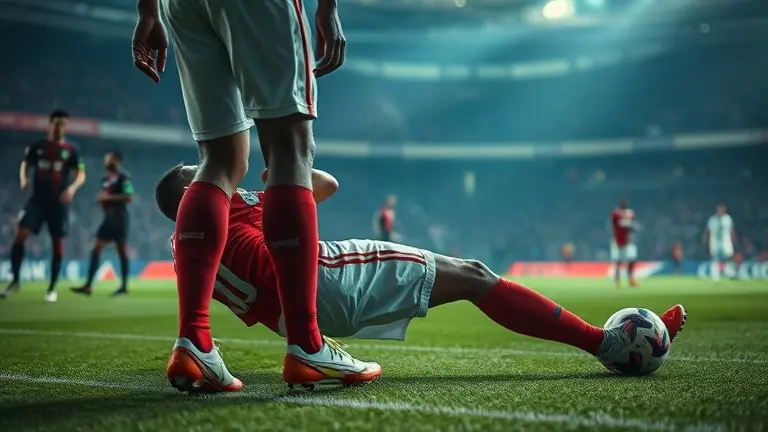
The roar of the crowd in Vancouver on June 18, 2026, was silenced in an instant when Canadian midfielder Ismaël Koné collapsed to the turf, his lower leg fractured following a reckless challenge by Qatar’s Assim Madibo. While Canada celebrated a resounding 6-0 victory in that 2026 World Cup group stage clash, the atmosphere shifted immediately from euphoria to deep concern. The sight of Koné being stretchered off—a pivotal engine in Jesse Marsch’s tactical setup—has cast a long shadow over the nation’s historic tournament ambitions, replacing celebration with questions about recovery and structural integrity.
Beyond the graphic nature of the injury and the resulting red card, the true challenge now lies in the vacuum left on the pitch. As fans and pundits alike scramble to understand the impact of the Ismaël Koné injury, the focus must pivot from the shock of the incident to the analytical reality of Canada’s path forward. How will coach Marsch recalibrate a midfield that relied so heavily on Koné’s dynamism, and what does this mean for the team’s aspirations as they navigate the remainder of the World Cup?
The Incident: Ismaël Koné’s World Cup Injury Against Qatar
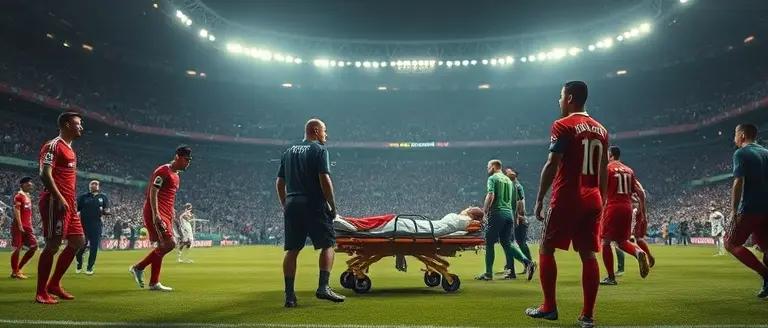
The June 18, 2026, group stage match between Canada and Qatar was meant to be a showcase of Canadian dominance, ending in a resounding 6-0 victory for the North American hosts. However, the historic win was marred by a harrowing sequence of events that left the stadium in stunned silence. During the match, Canadian midfielder Ismaël Koné suffered a serious lower leg fracture following a lunging challenge from Qatar’s Assim Madibo. The tackle, which occurred deep in the first half, was immediately reviewed by officials, resulting in a mandatory red card for Madibo and an emergency medical intervention for the Canadian playmaker.
The atmosphere shifted instantly as medical staff rushed onto the pitch to stabilize Koné. The graphic nature of the injury required the midfielder to be stretchered off, a moment that cast a long shadow over Canada’s otherwise triumphant performance. Following his transfer to a local medical facility, subsequent reports confirmed the severity of the ismael kone injury, necessitating an immediate operation. On June 19, medical teams confirmed that Koné had undergone successful surgery to repair the damage to his lower limb.
Key Details of the Match Incident
- Date of Occurrence: June 18, 2026, during the group stage.
- Opponent: Qatar, in a match where Canada dominated with a 6-0 scoreline.
- Disciplinary Action: A direct red card was issued to Assim Madibo for the reckless challenge.
- Medical Status: Koné underwent successful surgery on June 19 to address the lower leg fracture.
The canada world cup campaign, which had been building momentum, now faces a significant tactical void. While the team remains united, the loss of a pivotal midfielder like Koné raises immediate questions regarding team depth and the emotional resilience of the squad. As fans and the sports community continue to monitor his status, the focus has shifted from the pitch to the long-term recovery process, highlighting the volatility of elite athletic competition during major tournaments.
Projecting the Road to Recovery: Medical Insights and Timelines
The Ismaël Koné injury sustained during the Canada vs Qatar group stage match represents a significant medical challenge for the Canadian national team. Following the successful surgery on June 19, 2026, to repair the lower leg fracture, the midfielder now faces a rigorous, multi-phased rehabilitation process. In professional soccer, recovery timelines for such fractures typically span several months, as the athlete must progress from basic bone healing to the complex physiological demands of competitive match play. While individual recovery varies, elite athletes generally follow a protocol designed to maximize structural integrity and neuromuscular function before testing the limb under high-intensity game conditions.
Phases of Rehabilitation for Elite Athletes
The recovery journey for a lower limb fracture is categorized into distinct clinical phases, each with specific milestones that Koné will need to clear under the guidance of specialized medical teams:
- Phase I: Protection and Bone Healing (Weeks 0-6): The primary focus is surgical site management and immobilization to ensure proper callus formation. During this period, the athlete avoids weight-bearing activity to protect the hardware and bone alignment.
- Phase II: Controlled Loading and Mobilization (Weeks 6-12): Once radiographic evidence confirms initial bone union, physical therapy shifts to regaining range of motion, muscle activation, and progressive weight-bearing exercises to prevent atrophy.
- Phase III: Strength and Neuromuscular Conditioning (Months 3-6): This phase is critical for a high-performance midfielder. Koné will undergo sport-specific drills, including agility training, balance work, and strength development, to restore the explosive power required for box-to-box movement.
- Phase IV: Return-to-Pitch Protocol: The final stage involves high-intensity interval training, sport-specific contact drills, and a monitored transition back into team training sessions before being cleared for official selection.
Given the nature of the challenge by Assim Madibo and the subsequent surgery, Koné’s medical staff will prioritize a cautious, data-driven approach. While the impact of the Ismaël Koné injury is a major blow to Canada’s tournament aspirations, the long-term goal remains a full restoration of his dynamic midfield capabilities, ensuring he can return to the pitch at the same competitive level he displayed during the 2026 World Cup campaign. Monitoring his recovery will be vital for both the team’s tactical planning and the player’s future professional development.
Tactical Pivot: Adapting Jesse Marsch’s System Without Koné
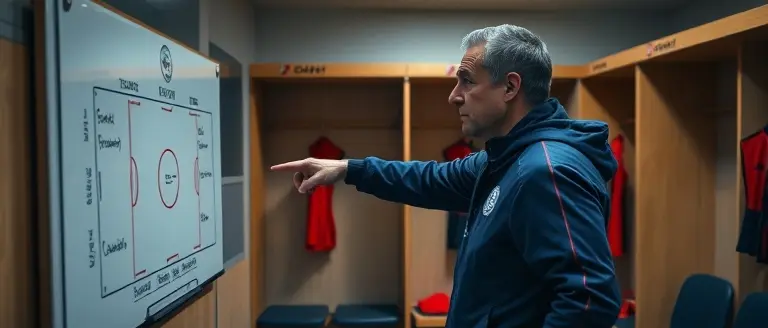
The unfortunate ismael kone injury sustained during the decisive match against Qatar has forced head coach Jesse Marsch to confront the most significant tactical hurdle of Canada’s 2026 World Cup campaign. As the team’s primary midfield engine, Koné provided the necessary defensive coverage and transition speed that allowed Canada’s attack to flourish. With his absence confirmed for the remainder of the tournament following his successful surgery, Marsch must now re-engineer his central setup to maintain the intensity that fueled their 6-0 victory. The tactical challenge lies in replacing a player who possessed a rare ability to bridge the gap between deep-lying defensive duties and the final third, a void that will likely require a collective shift in positional responsibility rather than a simple one-for-one substitution.
Adjusting the Midfield Dynamics
To mitigate the loss, Marsch may shift toward a more conservative double-pivot structure to provide added security for the backline. This potential tactical evolution includes:
- Rotational Midfield Stability: Moving to a more structured 4-2-3-1, allowing deeper-lying midfielders to focus on shielding the center-backs while distributing the playmaking load.
- Positional Versatility: Utilizing high-IQ players already on the roster to drift into central roles, effectively “filling the gap” during defensive transitions to prevent the midfield from being bypassed.
- Tactical Pragmatism: Reducing the high-press frequency to conserve energy and manage the game’s tempo, ensuring the team does not become over-extended in the absence of Koné’s ball-winning capabilities.
While the canada world cup journey continues, the team must now lean on its tactical depth. The loss of such a key playmaker is undeniably a blow to the squad’s fluidity, yet history shows that teams often find newfound resilience when forced to reorganize. Whether through a shift in personnel or a refinement of his aggressive high-press philosophy, Marsch faces a critical juncture. The success of Canada’s tournament prospects now rests on how effectively the remaining midfield unit adapts to cover the structural gaps left by the ismael kone injury, ensuring the team remains competitive in the high-stakes atmosphere of the knockout stages.
Resilience and Solidarity: The Human Side of the Canadian Campaign
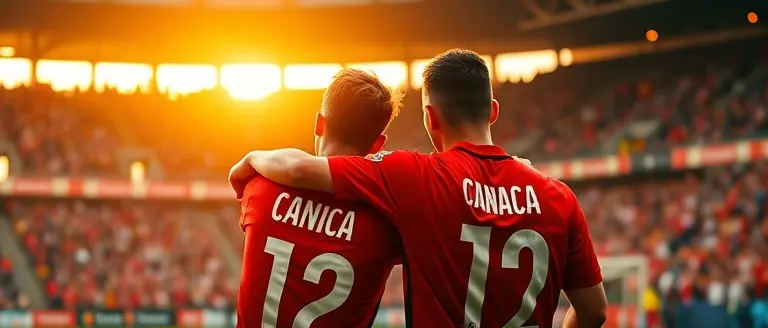
The devastating ismael kone injury sustained during the match against Qatar sent shockwaves through the Canadian dressing room, forcing the squad to confront a harsh reality mid-tournament. While the 6-0 victory established Canada as a dominant force in the 2026 World Cup, the mood following the final whistle remained somber. For the players, the sight of a teammate suffering a severe lower leg fracture was a jarring reminder of the physical stakes involved in elite competition. This emotional weight has shifted the team’s narrative from pure tactical ambition to a display of collective resolve, as teammates and staff immediately rallied around the midfielder to provide support during his initial recovery phase.
Cultivating a Team-First Mentality
In the wake of the incident, coach Jesse Marsch has emphasized the importance of psychological fortitude. The team’s commitment to “playing for Koné” has become a rallying cry that transcends individual performances. This shift is critical for maintaining focus during a high-pressure Canada World Cup campaign, where mental fatigue can often be as debilitating as physical exhaustion. The squad’s solidarity manifests in several ways:
- Public Advocacy: Teammates have consistently utilized press conferences to voice their support, highlighting the human impact of the tackle by Assim Madibo.
- Dedicated Performances: The team has pivoted toward a “team-first” mentality, emphasizing that every touch and tactical adjustment is intended to honor their absent leader.
- Unified Fan Support: The outpouring of concern from Canadian supporters has mirrored the team’s internal sentiment, transforming the national response into a display of national unity.
This resilience is not merely sentimental; it is a vital component of the tactical evolution required for the remainder of the tournament. The ability to process the trauma of the qatar vs canada match while preparing for upcoming knockout stages highlights the character of the current roster. By channeling the shock of the injury into a unified objective, Canada is attempting to leverage the emotional intensity of the moment to bolster their performance on the pitch. This human-interest perspective serves as the bedrock for their continued progression, ensuring that the legacy of this World Cup campaign remains defined by unity in the face of adversity.
Navigating the Tactical Shift Ahead
As the Canadian squad rallies in the wake of this setback, the path forward requires more than just physical resilience; it demands tactical evolution. The absence of a player as influential as Koné forces a complete reconfiguration of the team’s engine room, a development that requires sharp, focused analysis from every supporter following this campaign. As the tournament intensity climbs, staying attuned to these granular tactical changes is essential for any true football analyst.
Just as the coaching staff must maintain total mental clarity to restructure the midfield, fans require peak cognitive focus to track these evolving tactical shifts during the tournament. This is where Audifort becomes an indispensable companion. By supporting cognitive clarity and mental sharpness, Audifort helps you stay alert and informed, ensuring that you can dissect the complex strategies and match developments as they unfold in real-time, providing the deep level of focus required for high-stakes tournament coverage.
We understand that following a World Cup is a marathon of data, emotion, and rapid-fire developments. Whether you are analyzing injury recovery timelines or tracking defensive adjustments, your focus is your greatest asset. Optimize your mental edge and ensure you have the mental clarity to follow every tactical development in this historic tournament—learn more about optimizing your focus with Audifort.
 Ensure you have the mental clarity to follow every tactical development in this historic tournament—learn more about optimizing your focus with Audifort.Boost My Cognitive Focus Now!