
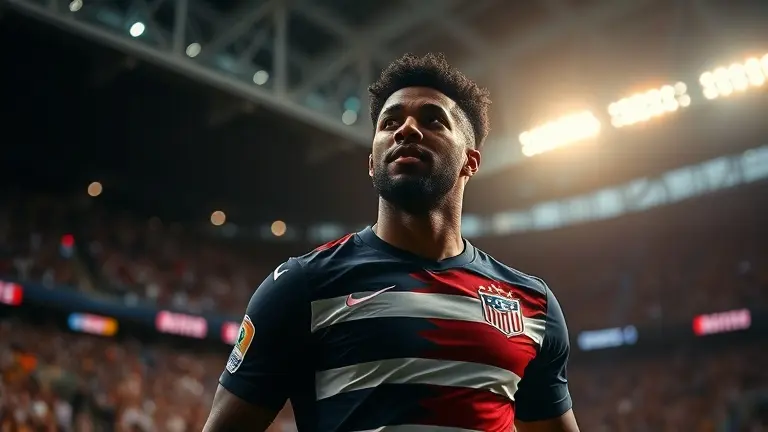
The atmosphere inside Seattle Stadium reached a fever pitch today as the United States Men’s National Team clashed with Australia in a high-stakes Group D showdown of the 2026 FIFA World Cup. As fans scramble to confirm the final result, the narrative centers on tactical discipline and the clinical finishing required to navigate the group stages. Whether you were watching from the stands or following the live score, the intensity of this match highlights the razor-thin margins that define modern international soccer.
Did USA win today? Below, we break down the definitive result, analyze the pivotal moments that defined the 90 minutes, and look ahead to what this outcome means for the USMNT’s progression. With eyes glued to every touch from stars like Folarin Balogun, we cut through the noise to provide the strategic summary you need to understand the path forward in this tournament.
USMNT vs. Australia: The Final Result from Seattle

If you are asking, “did usa win today,” the answer is a decisive victory for the United States Men’s National Team. In a high-stakes Group D showdown at Seattle Stadium on June 19, 2026, the USMNT secured a critical win against Australia, further cementing their position as a formidable contender in this year’s tournament. The atmosphere in Seattle was electric, with the home crowd fueling an aggressive offensive strategy that left the Australian defense scrambling for much of the 90 minutes.
Key Match Highlights and Performers
The narrative of the match was largely defined by the clinical precision of the American attack. Folarin Balogun was undoubtedly the standout performer, providing the spark needed to break through the Australian defensive lines. His ability to find space and convert high-pressure opportunities was the turning point that allowed the US to pull ahead. Statistical analysis of the match highlights several critical factors that contributed to the result:
- Dominant Possession: The US controlled the midfield, limiting Australia’s transition play.
- Offensive Efficiency: Balogun’s movement off the ball created constant chaos for the Australian backline.
- Defensive Resilience: The US back four remained disciplined, effectively neutralizing counter-attacks throughout the second half.
As fans look ahead to the remainder of the FIFA games today and beyond, this result places the United States in a strong position regarding Group D standings. With the group stage now reaching its most critical phase, securing these three points ensures the USMNT maintains control of its own destiny heading into the knockout qualification window. Supporters eager to track the usa next game should prepare for a quick turnaround as the tournament schedule accelerates. The momentum from this Seattle victory will be vital as the squad prepares for their next challenge on the road to the final.
Turning Points: How the Match Was Won or Lost

The clash at Seattle Stadium served as a definitive moment for the USMNT in their 2026 FIFA World Cup campaign. While fans flooded search engines asking, “did usa win today,” the tactical reality on the pitch was a masterclass in adaptation. Australia entered the match with a rigid, low-block defensive structure designed to frustrate the American midfield and neutralize the pace of the US attack. For the first 30 minutes, this strategy stifled the United States, forcing the team to circulate the ball horizontally without creating meaningful chances. However, the turning point arrived when the US tactical setup shifted to prioritize quick, vertical transitions through the half-spaces, effectively stretching the Australian backline and forcing errors in their defensive third.
Key Moments and Tactical Shifts
The defining event of the match was undoubtedly the clinical finish provided by Folarin Balogun. His ability to drift into pockets of space between the Australian center-backs allowed the US to exploit high-pressing sequences that had previously failed to materialize into goals. Key factors that shifted the momentum included:
- Midfield Dominance: The introduction of fresh tactical rotations in the 60th minute allowed the US to regain control of the engine room, preventing Australia from launching dangerous counter-attacks.
- Defensive Resilience: Despite heavy pressure from the Socceroos in the final ten minutes, the American defensive line remained organized, successfully blocking key passing lanes that could have led to an equalizer.
- Substitution Impact: Strategic substitutions provided the necessary legs to maintain the high-press tempo, which eventually broke Australia’s resolve and secured the result.
Ultimately, the match was won by the USMNT’s ability to pivot from a possession-heavy style to a direct, clinical attacking formation. This result significantly impacts the Group D standings, providing the squad with vital momentum as they look ahead to their next game. By successfully navigating this challenge, the US has signaled their intent to advance, proving they can overcome disciplined, defensive-minded opponents in a high-stakes tournament environment.
Current Standing: What This Result Means for Group D

Following the intense showdown at Seattle Stadium, the USMNT result significantly reshapes the landscape of Group D in the 2026 FIFA World Cup. With this pivotal match concluded, the United States finds itself in a strengthened position to secure a berth in the Round of 16. By securing crucial points today, the team has effectively separated itself from the lower half of the table, placing immense pressure on their remaining group-stage opponents. The victory provides the squad with a much-needed buffer, allowing the coaching staff to strategize more flexibly for the upcoming final group matches.
Path to the Round of 16
The current group standings suggest that the USMNT is now in the driver’s seat for qualification. To ensure a top-two finish and bypass the complexities of goal-difference tiebreakers, the team must maintain their current form. Key takeaways from today’s performance include:
- Tactical Momentum: The offensive fluidity displayed by Folarin Balogun and the attacking line has proven that the US can dictate the tempo against high-quality international sides.
- Defensive Stability: Minimizing errors in the defensive third has been instrumental in keeping the US at the top of the Group D standings.
- Qualification Outlook: Depending on the results of the other FIFA games today, the USMNT is now mathematically closer to clinching a knockout stage spot. A draw in their final match may now suffice, though a win remains the objective to secure a favorable seeding.
As fans ask, “who does usa play next,” the focus now shifts entirely to the upcoming final match of the group stage. While the team celebrates today’s outcome, the tactical focus will immediately pivot toward scouting their next opponent to ensure the momentum built in Seattle carries forward into the knockout rounds.
Looking Ahead: The USMNT’s Next World Cup Challenge

With the intense matchup against Australia concluded in Seattle, the USMNT must now pivot their focus toward the next critical fixture in their 2026 FIFA World Cup campaign. As fans continue to search for the answer to “did usa win today,” the coaching staff is already finalizing preparations for the next stage of the group tournament. Maintaining momentum following the Group D clash is essential for the team as they look to secure a definitive path to the knockout rounds. The upcoming game represents a pivotal opportunity to solidify their standing in the group and build upon the tactical adjustments implemented by the squad today.
Key Details for the Next USMNT Fixture
The USMNT’s next game is scheduled to take place in the coming days, serving as the next major hurdle in their quest for tournament glory. Fans looking to follow the action should note the following logistical details:
- Next Opponent: To be determined based on the final Group D bracket and secondary qualifying outcomes.
- Significance: This match is vital for points accumulation to ensure the United States finishes at the top of the group.
- Strategic Focus: Analysts suggest the team will emphasize defensive stability while maintaining the high-press offensive play that defined their performance against Australia.
- Where to Watch: The match will be broadcast across major national networks and available on official FIFA streaming platforms.
The importance of this next fixture cannot be overstated, as it will likely determine the team’s seeding for the Round of 32. Players like Folarin Balogun will once again be expected to spearhead the attack, as the team relies on his finishing ability to overcome tournament pressure. Fans are encouraged to keep a close watch on the US vs Australia live score implications, as the goal differential and points from today’s match directly influence the pressure placed on the team for this upcoming second challenge. With the home crowd behind them, the USMNT aims to use this next game to confirm their status as a serious contender in the 2026 World Cup.
Mastering the Tactical Grind
This match served as a profound reminder that surviving the group stage of the FIFA World Cup requires more than just athletic prowess—it demands extreme cognitive precision. As we look ahead to the next match, the ability to process complex tactical shifts and tournament scenarios in real-time separates the casual viewer from the true soccer strategist. Keeping pace with these rapid-fire updates is mentally taxing, but it is essential for any fan who refuses to settle for superficial analysis.
Just as Folarin Balogun and the squad must maintain laser-like focus on the pitch to convert scoring opportunities, you need mental clarity to absorb the evolving narrative of this tournament. That is where The Brain Song comes in. Designed to enhance cognitive focus and eliminate mental fatigue, our training routine is the ultimate tool for the proactive fan who wants to grasp the full complexity of every game. By integrating this into your daily regimen, you ensure that your mind is as sharp as the team’s counter-attacks.
Optimize your focus for the remainder of the World Cup—click here to start your 12-minute daily brain-training routine.
 Optimize your focus for the remainder of the World Cup—click here to start your 12-minute daily brain-training routine.Yes, I Want to Sharpen My Focus Now!