
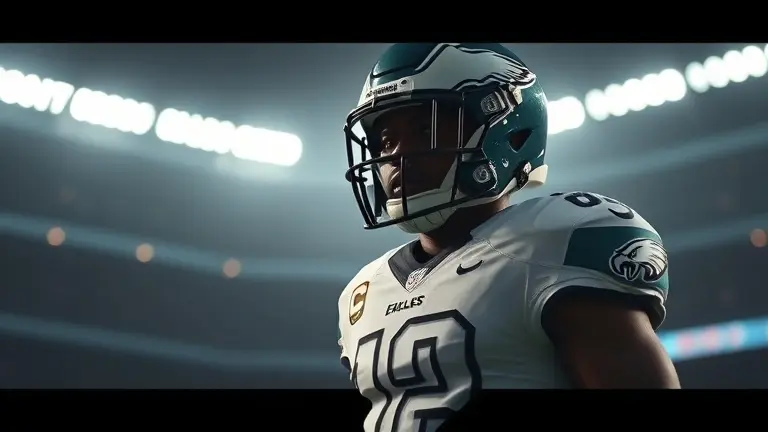
As the NFL enters the quiet, meditative lull of late June, the buzz surrounding the Philadelphia Eagles’ wide receiver room has shifted from the frantic energy of free agency to the calculated anticipation of training camp. While the roster appears largely settled, the true story of this upcoming season lies beneath the surface-level transactions. Fans and analysts alike are now turning their attention toward the nuanced development of rookies and the critical battles for depth chart positioning that will define the team’s offensive ceiling in 2026.
Successfully projecting how these secondary options will perform under the bright lights of July requires more than just casual observation; it demands a forensic approach to roster management. Just as an architect relies on precise blueprints to ensure structural integrity, the dedicated Eagles analyst needs a rigorous framework to cut through the noise of the offseason. By evaluating the technical readiness of our current depth, we can move past speculative guesswork and gain a clear, professional-grade understanding of how the Eagles intend to weaponize their receiving corps when the season officially kicks off.
The Eagles’ Wide Receiver Room: Assessing the Landscape Ahead of Training Camp
As the NFL enters its late-offseason lull in mid-June 2026, the discourse surrounding Philadelphia Eagles wide receiver signings has naturally shifted from active free agency speculation to a focus on long-term roster stabilization. While fans often monitor the news cycle for late-stage additions, the front office has largely finalized the core composition of the receiver room. With the league entering the mandated six-week break before training camps commence in late July, the current roster is effectively set, allowing the coaching staff to transition from personnel acquisition to systematic player evaluation and scheme development.
Evaluating the Current Depth Chart
The lack of headline-grabbing transactions does not imply a stagnant environment. Instead, this period is critical for the integration of rookie development and the refinement of the existing rotation. The Eagles’ strategy relies heavily on the progression of younger targets to complement the established production of veterans like DeVonta Smith. Analysts observing the current roster structure point to several key focus areas for the upcoming training camp:
- Rookie Transition: Observing how draft acquisitions adapt to the speed of the professional game during non-contact sessions.
- Depth Competition: Evaluating which depth players will secure final roster spots through consistent performance in 7-on-7 and team drills.
- Tactical Versatility: Testing various personnel groupings to determine who provides the most value as a secondary or slot option.
This phase of the offseason is less about finding new talent and more about maximizing the potential of those already under contract. As we look toward the start of camp, the emphasis shifts toward “proactive” analysis, focusing on how these players will mesh within the offensive playbook. By prioritizing internal growth over external roster acquisitions, the Eagles appear confident in their current depth, setting the stage for a high-stakes competition once players report for training camp in late July.
Star Power: Analyzing the Top Tier of the Eagles’ Receiving Corps
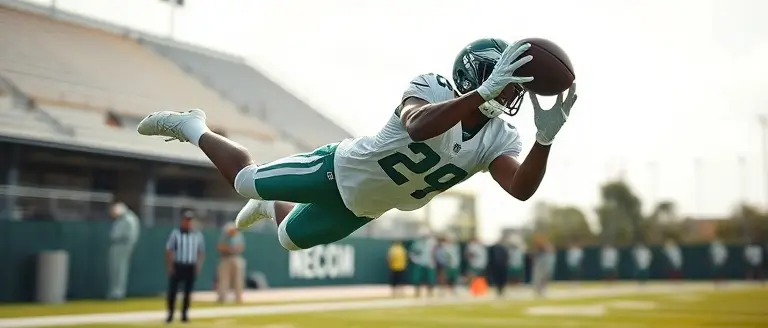
The foundation of the Philadelphia Eagles’ aerial attack remains one of the most stable units in the NFL, effectively neutralizing the need for high-profile Philadelphia Eagles wide receiver signings this offseason. At the apex of this corps are A.J. Brown and DeVonta Smith, a duo that has solidified itself as arguably the most dynamic wide receiver tandem in the league. Their individual skill sets—Brown’s physical dominance at the catch point and Smith’s technical route-running precision—create a balanced offensive architecture that forces opposing defensive coordinators into impossible schematic decisions.
Chemistry and Tactical Stability
The established rapport between these two veterans provides a massive advantage heading into the 2026 training camp. Because the front office opted for continuity rather than chasing external free agents, the offense enters the late-offseason lull with a clear understanding of their primary targets. Key factors contributing to this stability include:
- Complementary Skill Sets: Brown’s ability to win on intermediate routes and post-catch scenarios complements Smith’s elite separation skills along the sidelines and in the deep third.
- Systemic Familiarity: Both players have spent significant time in the current scheme, allowing for nuanced adjustments that younger, less-experienced receiving groups simply cannot replicate without a full offseason of reps.
- Reduced Roster Turnover: By prioritizing the retention of this core, the Eagles have shifted the internal narrative from “finding pieces” to “refining efficiency,” focusing training camp efforts on situational football rather than integrating new faces into the starting lineup.
While fans often speculate about the depth chart during the quiet months of June, the reality is that the Eagles’ reliance on their existing stars acts as a force multiplier. Their presence allows the coaching staff to dedicate practice time toward developing rookie depth players, knowing the primary production floor is firmly locked in. This proactive approach to roster management underscores a philosophy that prioritizes elite talent over the volatility often associated with mid-summer free-agent maneuvers.
Rookies and Depth: The Battle for the WR3 and WR4 Spots

While the Philadelphia Eagles wide receiver signings have largely settled as the team approaches the summer hiatus, the internal competition for roster spots remains the most compelling narrative heading into training camp. With the top of the depth chart locked in, the coaching staff is turning its attention to the mid-to-late round rookies and versatile depth pieces tasked with rounding out the WR3 and WR4 roles. These players are essential for maintaining offensive rhythm, especially when the scheme demands varied personnel groupings or requires relief for the starters.
Evaluating the Competition
The coaching staff will prioritize route-running precision and special teams utility when finalizing the roster. For the rookies fighting for visibility, the mandate is clear: translate collegiate production into reliable consistency against NFL-caliber defensive backs. Key areas of focus for these depth contenders include:
- Versatility in the Slot: Demonstrating the ability to play both inside and outside will significantly improve a candidate’s chances of securing a spot.
- Special Teams Proficiency: Because the WR4 is often inactive on game days, proving value on coverage units is a prerequisite for long-term roster security.
- Mental Processing: The ability to absorb a complex playbook and adjust to defensive coverage shifts in real-time is what separates practice squad candidates from active-roster contributors.
Evidence suggests that the Eagles are looking for a high-floor player who can provide immediate situational impact. As the team moves into the intense environment of training camp, the staff will be closely monitoring how these depth players handle high-pressure scenarios during red-zone drills and two-minute sessions. Those who showcase high football IQ and reliable hands in traffic will likely carve out their place on the 53-man roster, effectively finalizing the depth configuration before the season opener.
Expectations for Training Camp: What to Watch for in the Passing Game

As the NFL enters the mid-summer dead period, the discourse surrounding Philadelphia Eagles wide receiver signings has effectively concluded, leaving the roster in a state of settled anticipation. With no major personnel acquisitions expected before the gates open in late July, the focus shifts entirely to internal development and the schematic evolution of the passing attack. This quiet phase offers a unique opportunity for fans to monitor how the coaching staff integrates younger talent into a high-octane offense. Without the influx of high-profile free agents, the burden of proof falls on the depth chart to provide adequate secondary support behind the established starters.
Key Performance Indicators for the Passing Game
When training camp officially begins, observers should look beyond headline-grabbing catches and focus on the nuanced metrics that define a successful WR room. The following areas will be critical for determining the depth of the unit:
- Route Running Consistency: Watch for improvements in precision during individual drills, as this remains the most reliable indicator of a player’s readiness for high-leverage NFL snaps.
- Chemistry with Quarterback Personnel: Tracking the rhythm and timing between the passing targets and the signal-callers during 7-on-7 and 11-on-11 sessions will highlight which depth players are building the necessary trust to earn a permanent spot.
- Separation Efficiency: In a competitive environment, players who can consistently create space against starting-caliber defensive backs will inevitably rise to the top of the rotation.
Ultimately, the lack of new moves confirms the front office’s confidence in the current roster construction. Fans should expect the coaching staff to emphasize versatility, prioritizing receivers who can contribute across different spots in the formation. By monitoring these training camp indicators, supporters can gauge the true ceiling of this offense before the regular season kicks off.
Mastering the Blueprint of Your Roster Analysis
Predicting the impact of rookie development and depth-chart rotations is the ultimate test for any serious Philadelphia Eagles observer. Much like a master carpenter understands that a complex project is only as strong as its foundation, we have explored how technical, data-driven analysis is the only way to truly forecast which receivers will emerge as indispensable assets during the upcoming training camp. Guesswork simply does not yield professional results when the stakes of the season are this high.
To transition from casual fan to expert analyst, you need the right tools to build your projections with total certainty. This is where Ted’s Woodworking becomes the unexpected, yet perfect, metaphor for your analytical process. Just as this comprehensive resource provides the precise, step-by-step blueprints needed to turn raw materials into a finished masterpiece, our approach to roster evaluation requires the same methodical discipline. By adopting these expert-grade techniques, you replace trial-and-error uncertainty with a foolproof, streamlined methodology that ensures your ‘depth chart builds’ are as sturdy as they are accurate.
Stop relying on vague intuition and start constructing your football projections with the rigorous precision that separates the casual observer from the true front-office strategist. Whether you are building an elite roster model or perfecting your analytical intuition, the foundation you set today dictates your success tomorrow.
 Build your own expert-level roster analysis today with the same precision and technical certainty that top-tier builders demand.Yes, I Want This Now!