

The morning of June 18, 2026, became an ordeal for many across Southeast Louisiana as the outer bands of Tropical Storm Arthur triggered radar-confirmed tornadoes throughout Terrebonne, Lafourche, and St. Charles parishes. For those who spent the night watching updates from WWL-TV and bracing through the new orleans tornado warning, the aftermath presents a challenging new reality. The immediate adrenaline of the storm has now transitioned into the overwhelming, physical task of damage assessment and property stabilization.
As the skies clear, the focus must shift from storm tracking to home recovery. Whether you are dealing with scattered debris or structural damage to your roof, fencing, or siding, the days following a new orleans tornado are critical. Taking safe, calculated steps to secure your property not only prevents further weather-related deterioration but also provides a sense of control during an uncertain time.
Tropical Storm Arthur and the June 18 Tornado Impact
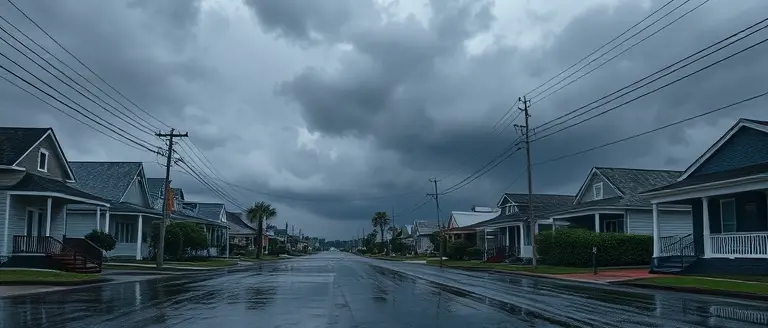
The morning of June 18, 2026, marked a significant weather event for Southeast Louisiana as Tropical Storm Arthur, the first named storm of the 2026 Atlantic hurricane season, rapidly impacted the region. While the system primarily brought heavy rainfall, measuring between 3 and 6 inches across the metro area, it also triggered a series of dangerous, fast-moving convective cells. Throughout the early morning hours, the National Weather Service (NWS) issued an urgent new orleans tornado warning for several parishes, prompting widespread emergency alerts and active tracking by local media outlets, including WWL-TV.
Radar-Confirmed Touchdowns and Parish Impacts
The severe weather environment created ideal conditions for isolated, embedded tornadoes, which proved difficult to track given their brief lifespans. During the height of the storm, meteorologists confirmed radar-indicated rotation and multiple touchdowns across the region. Key areas affected included:
- Terrebonne Parish: Reports indicated a radar-confirmed tornado near Houma, resulting in localized structural damage and debris.
- Lafourche Parish: Residents faced significant threats as warnings remained in effect until 6:00 AM CDT, with emergency responders monitoring reports of downed power lines.
- St. Charles Parish: This area experienced intense squall lines that forced residents to seek immediate shelter as the storm pushed through.
These events serve as a sobering reminder of the volatility inherent in early-season tropical systems. Unlike massive hurricanes that offer days of preparation, the new orleans tornado threats generated by Arthur developed with little lead time, forcing residents to rely on real-time alerts. As the storm weakened and moved inland, the immediate emergency phase transitioned into damage assessment, highlighting the critical importance of maintaining vigilance during tropical weather events, regardless of the storm’s overall intensity or classification.
Damage Assessment and Parish-by-Parish Impact Summary
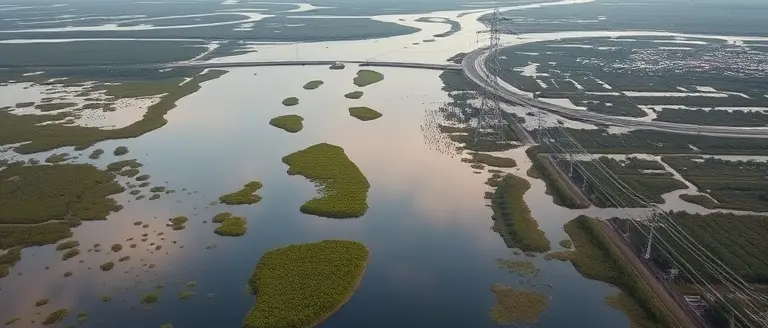
The morning of June 18, 2026, brought significant challenges to Southeast Louisiana as the outer bands of Tropical Storm Arthur triggered a new orleans tornado event that spanned multiple parishes. Preliminary damage assessments indicate that the most severe impact occurred in the vicinity of Houma, where a radar-confirmed tornado touched down, causing localized structural damage and downing power lines. As utility crews from Entergy and regional cooperatives mobilize, priority is being placed on clearing primary arterial roads and restoring power to critical infrastructure, including hospitals and emergency response centers. Residents are urged to monitor WWL-TV and other local news outlets for updates regarding specific road closures and utility restoration timelines.
While the immediate threat of a new orleans tornado warning has subsided, the secondary impact of flooding continues to strain local resources. Rainfall totals of 3 to 6 inches have saturated the region, particularly in low-lying areas of Terrebonne and Lafourche Parishes. The following summary outlines the primary areas of concern:
- Terrebonne Parish: This area sustained the most direct impact from the confirmed touchdown, with damage reports citing compromised roofs and debris-blocked roadways.
- Lafourche and St. Charles Parishes: While tornado activity was sporadic, these regions face persistent flash flooding, complicating the ability of assessment teams to survey remote property damage.
- Greater New Orleans Metro: While avoiding the intensity of the Houma strike, the area experienced heavy sustained rainfall, leading to localized street flooding and transient power outages.
Emergency management teams are currently focusing on rapid impact assessments to determine the scale of the recovery effort. Homeowners in the affected zones should document any property damage with high-resolution photos before beginning temporary repairs, as this documentation will be vital for future insurance claims. Authorities emphasize that utility crews are working under hazardous conditions, and citizens should maintain a safe distance from downed power lines, treating them as energized until officially cleared. The focus now shifts toward coordinated recovery efforts as the atmospheric pressure stabilizes across the region.
Essential Safety Steps for Post-Tornado Recovery

In the aftermath of the severe weather associated with Tropical Storm Arthur, residents across Southeast Louisiana must prioritize safety before beginning any cleanup efforts. While a new orleans tornado event can cause significant structural instability, the period following the storm is often when secondary injuries occur. Before entering your property, perform a 360-degree exterior visual assessment. Look for sagging rooflines, broken support beams, or loose debris that could fall unexpectedly. If you suspect your home has sustained major structural damage, do not enter; contact local building inspectors or emergency services immediately to verify that the structure is safe for occupancy.
Identifying Hazards and Mitigation
Safety protocols during the recovery phase are vital, especially given the flooding risks reported by WWL-TV and local authorities. When navigating your property, keep the following guidelines in mind:
- Electrical Hazards: Assume all downed power lines are energized and dangerous. Keep a minimum distance of at least 35 feet from any downed lines or sparking equipment and report them to your utility provider immediately.
- Gas Safety: If you smell a “rotten egg” odor or hear hissing sounds, evacuate the area immediately. Do not use matches, lighters, or operate light switches, as even a small spark could ignite a gas leak.
- Water Contamination: Following the heavy rainfall, standing water may contain sewage, chemicals, or sharp, unseen debris. Always wear heavy-duty work boots and waterproof gloves. If water has entered your home, ensure the power is cut at the main breaker before stepping into flooded rooms.
- Documentation: Before clearing debris, take high-resolution photos of all damage. This evidence is critical when filing claims for a new orleans tornado warning related insurance payout, as adjusters will require clear documentation of the destruction caused by the storm.
If you are dealing with significant water intrusion, prioritize pumping out water and drying the property within 24 to 48 hours to prevent mold growth. By remaining cautious and methodical, you can protect your health while effectively transitioning into the recovery phase following this record-setting storm event.
Resources for Reporting Damage and Seeking Assistance

In the aftermath of the severe weather events brought on by Tropical Storm Arthur, including the radar-confirmed new orleans tornado activity, residents in affected parishes must prioritize safety and systematic documentation. If your property sustained structural damage during the early morning hours of June 18, 2026, your first step should be to contact your homeowner’s insurance provider immediately. Document all damage with dated photographs and video footage before beginning any temporary repairs. Keeping a detailed inventory of destroyed personal property will be essential when navigating the claims process and discussing potential assistance with your adjuster.
Essential Recovery Contacts and Support
For those in the Houma, Terrebonne, and St. Charles areas, community support and state-level resources are available to help manage the recovery phase. Following any tornado warning new orleans event, local emergency management offices are the primary point of contact for disaster-related inquiries. Utilize the following resources to streamline your recovery:
- Governor’s Office of Homeland Security and Emergency Preparedness (GOHSEP): Visit their official portal for state-level recovery information and disaster declarations.
- National Weather Service (NWS) New Orleans: Continue to monitor their official channels for residual flood warnings or secondary weather hazards as the system continues to track through the region.
- Local Parish Emergency Operations Centers (EOC): Contact your specific parish office to report significant infrastructure damage, such as downed power lines or blocked roadways.
- FEMA Disaster Assistance: Check DisasterAssistance.gov to determine if your specific location has been cleared for federal aid eligibility following the storm’s impact.
- Utility Providers: Report power outages or gas leaks immediately to your local service provider to ensure that public safety crews can prioritize high-risk areas.
Always remain cautious of debris and potential standing water, as the combination of heavy rainfall and high winds may have left behind hazardous conditions. Local media outlets such as WWL-TV continue to provide updates on shelters and community relief stations; checking these reliable sources can provide real-time information on where to find supplies and clean-up assistance in your specific parish.
Restoring Your Home with Confidence
Navigating the recovery phase after a tornado is undoubtedly stressful, but taking immediate action to secure your home is the best way to prevent long-term damage. By systematically assessing structural integrity and tackling necessary repairs, you protect your biggest investment while you wait for further assistance from professionals or insurance adjusters.
As you begin assessing the structural integrity of your property, having the right technical plans to quickly secure damaged wood structures is essential to preventing further weather-related deterioration. This is where Ted’s Woodworking becomes an invaluable asset in your recovery toolkit. Offering thousands of professional-grade blueprints, this resource provides the technical certainty and material lists needed to perform emergency structural repairs yourself, allowing you to move from panic to productive action with efficiency.
By utilizing these detailed plans, you ensure that temporary fixes are done with precision, providing a reliable bridge until full reconstruction can begin. It is the most direct way to reclaim your space and start the rebuilding process on your own terms today.
 Access the comprehensive library of repair blueprints here to start securing your home today.Yes, I Want to Secure My Home Now!