
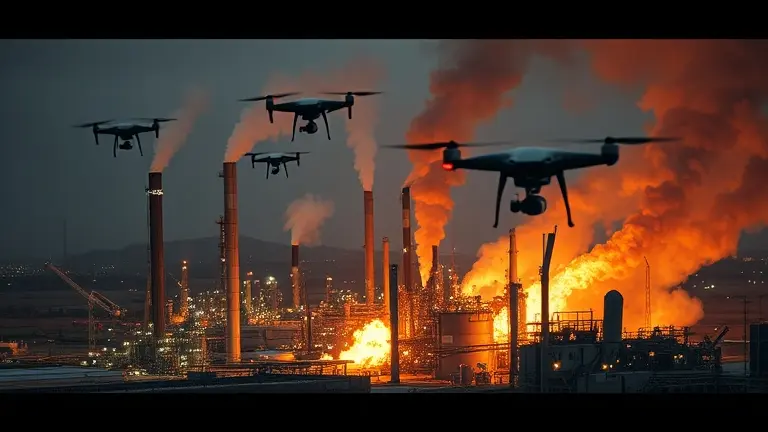
On June 18, 2026, the sky over Moscow was illuminated by a series of massive, high-impact explosions, marking the most significant aerial drone offensive since the conflict in Ukraine began. This targeted assault on a major oil refinery—the second such strike within a single week—signals a profound and dangerous escalation in long-range drone warfare. As hundreds of drones penetrated the capital’s airspace, triggering widespread infrastructure disruption and grounding flights, the world was reminded that the tactical rules of engagement have fundamentally changed.
This is no longer merely a regional skirmish; it is a complex shift in modern military doctrine. Beyond the immediate devastation of the refinery, this event forces a critical re-evaluation of Russian air defense capabilities and raises urgent questions regarding the stability of global energy markets. To understand why these mass swarm tactics are occurring now and how they will dictate the next phase of geopolitical maneuvering, we must move past the surface-level headlines and analyze the strategic architecture driving this conflict forward.
The June 18th Moscow Drone Strike: A Tactical Escalation
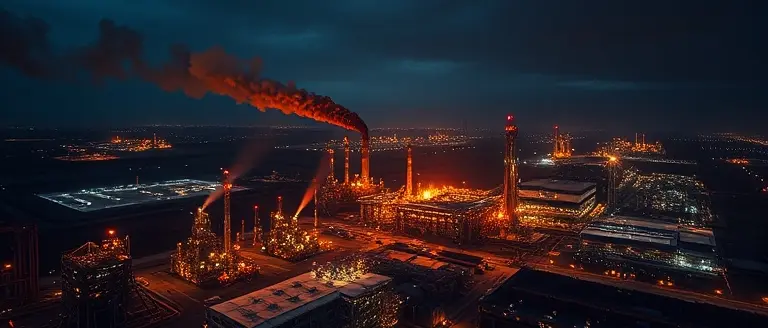
On June 18, 2026, the geopolitical landscape shifted significantly as Moscow news was dominated by reports of the largest aerial drone assault since the inception of the Ukraine-Russia conflict. The operation targeted a major oil refinery in the Moscow region, marking a deliberate and calculated escalation in long-range aerial warfare. This event is particularly notable because it represents the second strike on the same facility within a single week, indicating that Ukrainian forces have identified critical vulnerabilities in the Russian energy infrastructure despite the capital’s layered defensive systems. International analysts monitoring the situation have described the event as a “record air bombardment,” noting that the volume of drones utilized successfully overwhelmed regional air defense capabilities, leading to massive explosions and secondary fires that were visible across the metropolitan area.
The tactical significance of this strike extends beyond immediate physical damage to the refinery units. The sheer scale of the drone swarm forced widespread disruption to civil aviation, with multiple major airports in the Moscow region halting operations to ensure passenger safety. This move has created a ripple effect in both regional logistics and global perceptions of Russian security. The following points summarize the core impacts of this escalation:
- Strategic Targeting: By hitting the same oil refinery twice in seven days, Ukrainian forces are signaling a shift toward sustained degradation of Russian refining capacity rather than isolated, symbolic attacks.
- Defensive Stress: The saturation of the airspace suggests that Russian electronic warfare and anti-aircraft batteries are struggling to effectively neutralize mass-swarm tactics, forcing a re-evaluation of the protection for high-value targets near the capital.
- Infrastructure Sensitivity: The fires and resulting operational pauses confirm the vulnerability of Russia’s domestic energy network to low-cost, long-range unmanned aerial vehicles (UAVs).
As the international community watches these developments, the discourse has pivoted toward the broader implications for the conflict. Official statements and high-level rhetoric, including reports attributing provocative stances to Ukrainian leadership, underscore the heightening of stakes. This event is no longer merely a regional skirmish; it has evolved into a sophisticated campaign of attrition targeting the economic engines that sustain the Russian war effort. The ability of Ukraine to consistently penetrate the defenses surrounding Moscow demonstrates a maturing drone warfare doctrine that promises to keep energy markets and regional security analysts on edge for the foreseeable future.
Evolving Drone Warfare: The Shift to Long-Range Aerial Tactics

The June 18, 2026, drone strike on the Moscow region marks a definitive departure from traditional battlefield engagements, signaling a sophisticated transition toward long-range aerial warfare. By deploying hundreds of unmanned aerial vehicles (UAVs) in a coordinated strike, Ukrainian forces have demonstrated a move toward saturation tactics, a strategic doctrine designed to overwhelm even the most robust Russian air defense systems. Unlike previous individual drone incursions, this mass-swarm approach forces defenders to engage multiple, low-cost targets simultaneously, rapidly depleting high-value interceptor munitions and creating gaps in coverage that allow secondary strikes to reach critical infrastructure.
The Mechanics of Saturation and Strategic Targeting
This shift in Moscow news highlights a clear tactical prioritization of critical energy infrastructure. By repeatedly targeting the same oil refinery, the conflict has evolved from territorial maneuvering to an economic war of attrition. The technological evolution evidenced here suggests that these drones are likely utilizing autonomous navigation and swarm-coordination software to bypass electronic warfare countermeasures. Key implications of this tactical evolution include:
- Resource Asymmetry: The economic disparity between the cost of a mass-produced drone swarm and the expensive interceptor missiles used to negate them creates an unsustainable defensive burden for Russia.
- Psychological and Political Pressure: Sustained reach into the capital challenges the internal narrative of security, effectively bringing the realities of the war to the Russian domestic sphere.
- Infrastructure Fragility: The repeated targeting of refineries indicates an intent to diminish Russia’s domestic fuel production capabilities, potentially impacting global energy stability if export logistics are sufficiently compromised.
As the conflict progresses, the reliance on these long-range aerial assets will likely dictate the next phase of the war. Evidence suggests that this record-breaking bombardment is not merely a retaliatory gesture but a calculated effort to force a strategic shift in the Kremlin’s defense posture. Moving forward, the effectiveness of this drone strategy will be measured by its ability to maintain operational security in the face of escalating electronic and kinetic defensive responses.
Economic Implications: Assessing the Damage to Russian Energy Infrastructure
The June 18, 2026, drone strike on a major oil refinery in the Moscow region marks a critical shift in the economic landscape of the ongoing conflict. By targeting refined petroleum output within the heart of Russia, these long-range drone swarms strike directly at the fiscal veins of the state. Because these facilities are responsible for converting crude oil into high-value products—such as diesel, gasoline, and jet fuel—repeated disruptions pose a systemic risk to both domestic energy supplies and export-driven revenue streams. When an refinery sustains significant damage, the immediate economic fallout often manifests in two ways: local supply shortages and increased maintenance costs, which can cripple output for weeks or months.
Strategic Pressure on Russian Energy Markets
Beyond the immediate fires and physical destruction, the strategic objective of these strikes is to force Russia into a high-cost defensive posture. The economic implications of this disruption extend far beyond the immediate repair bill. As international moscow news reports highlight, the repeated targeting of the same infrastructure within a single week suggests a systematic effort to degrade industrial capacity. Key impacts include:
- Inflationary Pressure: Reduced domestic refining capacity necessitates the diversion of crude oil that would otherwise be exported, potentially straining Russia’s hard currency reserves.
- Logistical Bottlenecks: Damaged infrastructure complicates the distribution of fuel to civilian and military sectors, increasing the cost of goods and services across the region.
- Insurance and Risk Premiums: As energy infrastructure becomes a primary target for drone warfare, the cost of securing and insuring critical industrial sites rises, creating a long-term drain on the energy sector’s profitability.
By maintaining pressure on these refineries, Ukraine is effectively increasing the cost of the conflict for the Russian economy. While Moscow maintains significant stockpiles, the inability to guarantee the safety of critical energy hubs creates a climate of uncertainty, forcing the state to weigh the costs of expanded air defense coverage against the inevitable loss of production. This represents a new phase of warfare where infrastructure is as valuable as frontline gains.
The Geopolitical Landscape: G7 Reactions and Regional Security

The June 18, 2026, drone strike on the Moscow region has fundamentally altered the diplomatic calculus for Western powers, particularly as this escalation coincides with critical G7 summit deliberations. By targeting major oil infrastructure within the Russian capital, Ukrainian forces have signaled a shift in strategy that forces international policymakers to navigate the fine line between supporting a sovereign nation’s right to self-defense and managing the risk of global energy instability. Intelligence reports suggest that the G7 is now urgently reviewing the potential for this “new phase” of warfare to cause market volatility, especially as the world already grapples with the cascading economic consequences of the ongoing Iran War in the Middle East.
The intersection of these two theaters—Eastern Europe and the Middle East—has created a volatile geopolitical landscape where regional security is increasingly fragile. Several factors are complicating the international response:
- Energy Market Sensitivity: As Moscow serves as a critical node in global energy supply chains, persistent strikes on refineries risk driving up oil prices, complicating inflationary pressures for G7 economies.
- Drone Swarm Proliferation: The effectiveness of mass drone tactics in penetrating capital defenses is forcing a global reassessment of existing air defense architectures.
- Strategic Synchronization: Analysts are monitoring whether the timing of these attacks reflects a coordinated or opportunistic alignment between regional actors attempting to stretch Western and Russian resources thin across multiple fronts.
Evidence suggests that the international community is moving away from passive observation toward a more active risk-assessment posture. Policymakers are concerned that if moscow news continues to be dominated by such large-scale kinetic strikes, the diplomatic space for potential negotiations will narrow significantly. Consequently, the G7 is expected to push for a clearer strategic framework that balances the urgent need for Ukrainian operational success against the broader imperative of preventing a direct, escalatory spillover that could ignite a wider, systemic security crisis.
Maintaining Analytical Clarity in a Shifting Geopolitical Landscape
The recent intensification of drone strikes on Moscow’s critical energy infrastructure signifies a definitive evolution in the conflict’s tactical landscape. By targeting refineries with coordinated swarm maneuvers, the theater of operations has expanded, forcing a recalibration of both defensive strategies and global energy market risk assessments. As these events continue to unfold, the ability to synthesize this complex, high-velocity stream of information is no longer just a luxury—it is a necessity for anyone tracking the future of regional security.
In an era where geopolitical analysis requires deep focus and the ability to synthesize complex data, protecting your own cognitive baseline is more important than ever. Constant exposure to high-stress news cycles often leads to mental fatigue, obscuring your ability to make sense of the macro-trends currently reshaping our world. Our featured tool, The Brain Song, acts as a functional reset for your mind, providing the mental clarity and focus required to navigate these dense reports without succumbing to information fog.
By integrating this 12-minute audio routine into your daily regimen, you are not just consuming news; you are sharpening your capacity to process it. This cognitive performance tool is specifically designed to help you maintain peak acuity while analyzing the technical logistics and strategic shifts discussed in this report, ensuring that you remain informed, alert, and intellectually prepared for whatever comes next in this global crisis.
 Optimize your analytical mindset for the next phase of global events; try the 12-minute audio routine today to regain your clarity.Yes, I Want To Sharpen My Focus Now!