
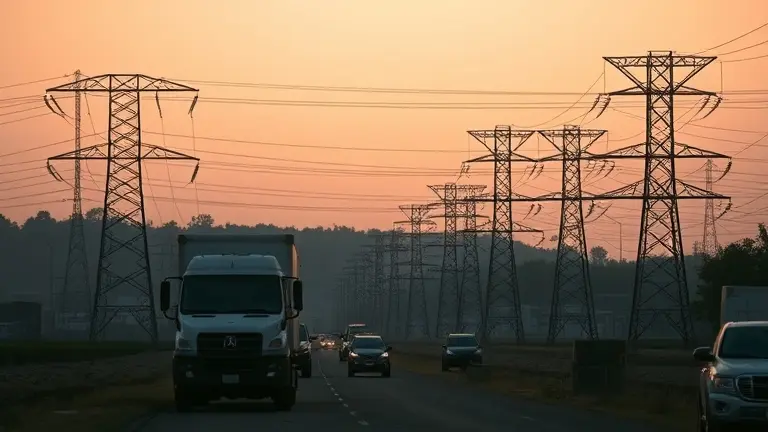
As we navigate the volatile climate landscape of 2026, the intersection of massive infrastructure investment and surging energy demand has placed Entergy at the center of a national firestorm. With a headline-grabbing $200 million grant from the Texas Energy Fund and aggressive grid-hardening projects across Louisiana, the utility is scrambling to fortify a system currently strained by record-breaking data center power requirements. Yet, while CEO Drew Marsh speaks to investors about meeting this industrial appetite, millions of residents in the Gulf South are left asking a more fundamental question: will these billions actually translate to lower rate volatility and the hardened defenses needed to survive the next generation of extreme weather?
The narrative of the current energy sector is shifting rapidly, marked by a decisive pivot away from previous offshore wind commitments in favor of centralized, heavy-duty grid infrastructure. This systemic evolution creates a tense dichotomy: while corporate giants secure the energy pathways of the future, the average household remains vulnerable to the immediate, localized impacts of a warming climate. We are moving toward an era where the grid is being rebuilt for machines and massive data arrays, leaving homeowners to navigate the gap between corporate infrastructure goals and their own urgent need for residential stability.
The $200M Catalyst: Understanding Entergy’s 2026 Grid Overhaul
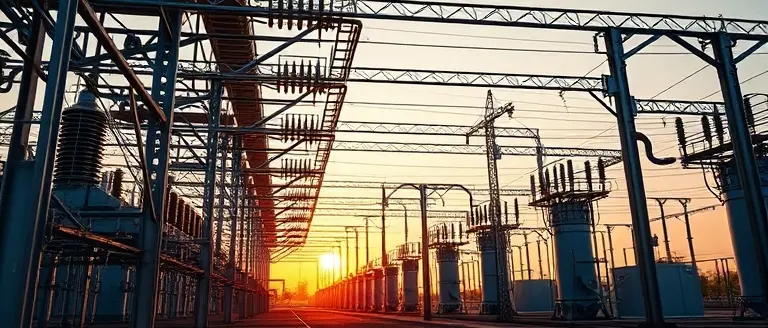
The recent infusion of capital into Entergy’s infrastructure marks a pivotal shift in how the utility approaches climate-induced vulnerabilities. By securing approximately $200 million through the Texas Energy Fund (TxEF), Entergy Texas is positioned to accelerate the hardening of its electrical network against increasingly severe weather patterns. This investment is not merely a budgetary allocation; it represents a strategic pivot toward grid resilience designed to mitigate the frequency of storm-related outages that have historically plagued the Gulf Coast region. Parallel to these state-level advancements, the $13.5 million grid resilience project in St. Bernard Parish serves as a micro-scale case study in how targeted, localized upgrades can bolster regional stability.
Strategic Infrastructure Deployment
The deployment of these funds is being channeled into several critical areas, prioritizing long-term durability over temporary fixes. For residents and stakeholders, this capital injection is expected to manifest through the following technical enhancements:
- Substation Hardening: Elevating and reinforcing critical substation assets to prevent flood-related catastrophic failure during extreme weather events.
- Grid Automation: Implementing advanced smart-grid technologies that allow for real-time monitoring and faster fault isolation, reducing the duration of regional blackouts.
- Vegetation Management and Line Upgrades: Replacing legacy wooden poles with concrete or composite materials capable of withstanding hurricane-force winds.
While these projects are essential for operational security, they occur against the backdrop of a national debate regarding the surge in energy demand from data centers. CEO Drew Marsh has emphasized that these high-capacity industrial neighbors aim to be “good neighbors,” yet the underlying tension remains: how can Entergy balance the massive power requirements of these new facilities with the necessity of maintaining rate stability for the average household? As the US shifts away from traditional offshore wind, these grid improvements are the frontline defense in ensuring that the existing energy architecture can sustain both industrial growth and residential reliability in a volatile climate.
The Data Center Dilemma: Balancing Corporate Hunger for Power
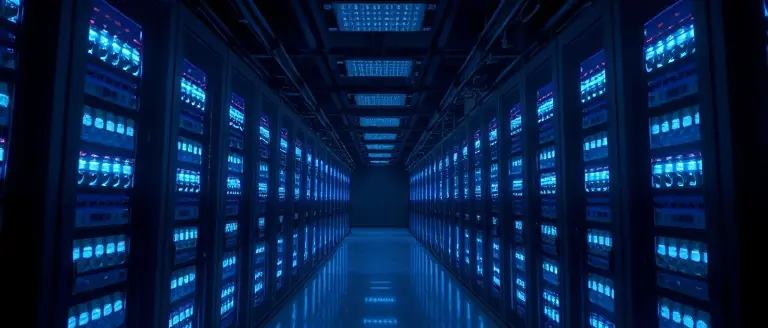
The rapid expansion of artificial intelligence and cloud computing has placed Entergy at a critical crossroads. During a recent appearance on CNBC, CEO Drew Marsh addressed the escalating energy appetite of hyperscale data centers, asserting that these corporate entities “want to be good neighbors.” However, as these massive power-hungry facilities proliferate across Louisiana, Texas, Arkansas, and Mississippi, residents are increasingly questioning whether their own energy stability is being compromised to accommodate this industrial demand. While Entergy positions itself as a facilitator of the digital economy, the primary challenge remains: ensuring that grid upgrades effectively bridge the gap between AI-driven load growth and the everyday power needs of households.
Managing Load Growth vs. Household Reliability
The tension between corporate demand and consumer interests is palpable. Infrastructure, such as the $200 million grant from the Texas Energy Fund (TxEF), is vital, yet it must address systemic vulnerabilities to satisfy both sides of the equation. To manage this influx effectively, the utility must prioritize a balanced investment strategy that protects the end-user. Key considerations for this transition include:
- Infrastructure Prioritization: Ensuring that new transmission and distribution upgrades serve the general grid, rather than exclusively dedicated private lines for high-load customers.
- Rate Stability: Evaluating whether the costs associated with rapid grid expansion are passed down to average ratepayers or absorbed by the beneficiaries of the new power capacity.
- Climate Resilience: Aligning data center requirements with broader utility efforts—such as the $13.5 million grid resilience project in St. Bernard Parish—to ensure the grid can withstand increasingly severe weather events while supporting 24/7 industrial loads.
Ultimately, the goal is to leverage corporate investment to fortify the Entergy grid for everyone. As the regional utility market navigates these evolving requirements, the success of this strategy will be measured by the utility’s ability to maintain affordable, reliable electricity for its core residential base while attracting the technology firms of the future.
The Policy Pivot: Abandoning Wind for Reliable Baseload?

The American energy landscape is undergoing a profound structural realignment, underscored by the recent federal decision to provide a $765 million settlement to terminate major offshore wind initiatives. This pivot marks a definitive departure from the previous decade’s aggressive pursuit of experimental renewable offshore infrastructure, favoring instead a model rooted in traditional, dispatchable baseload power. For Entergy, this policy shift validates a strategic transition toward grid hardening and the modernization of existing generation assets. Rather than betting on long-gestation offshore projects, the company is reallocating focus toward strengthening its localized transmission networks to handle the burgeoning power demands of industrial clusters and data centers.
This strategic pivot raises critical questions regarding the future of the Entergy generation mix in states like Texas and Louisiana. By moving away from capital-intensive offshore wind, the utility is hedging against the inherent intermittency of maritime energy in the Gulf region, where storm-driven climate volatility poses significant operational risks. Instead, the current investment strategy prioritizes:
- Grid Hardening: Directing funds into resilient infrastructure capable of withstanding extreme weather, as evidenced by localized projects in regions like St. Bernard Parish.
- Baseload Reliability: Utilizing the Texas Energy Fund (TxEF) grants to bolster on-shore capacity that guarantees a steady flow of electricity to mission-critical infrastructure.
- Infrastructure Optimization: Enhancing current generation portfolios to meet the massive, high-density power requirements requested by emerging data center hubs.
Evidence suggests that this focus on “hardening rather than betting” is a pragmatic response to the political and economic headwinds facing offshore renewables. By prioritizing the physical integrity of the grid over the expansion of experimental energy sources, Entergy is positioning itself to provide the reliable, 24/7 power that large-scale industrial consumers demand, while simultaneously attempting to mitigate the risks of regional energy instability.
Is $200 Million Enough? The Sustainability of Climate Resilience
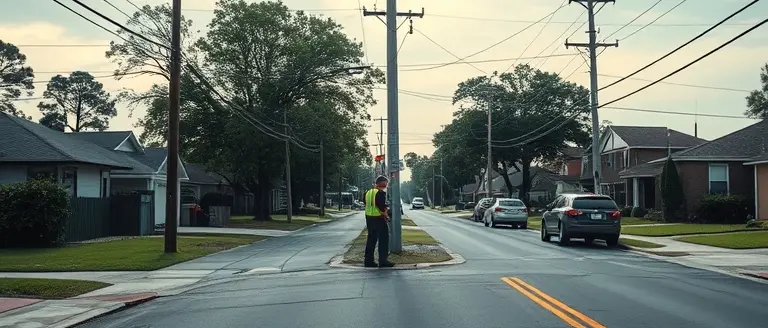
The recent influx of $200 million in funding from the Texas Energy Fund (TxEF), combined with localized efforts like the $13.5 million grid resilience project in St. Bernard Parish, marks a significant shift in how Entergy approaches infrastructure. However, for residents in Louisiana, Texas, Arkansas, and Mississippi who frequently endure the brunt of extreme weather, the central question remains: is this investment a transformative turning point or merely a stopgap measure? While these funds are vital for hardening the grid against climate-related volatility, the massive surge in electricity demand from data centers complicates the narrative of long-term rate stability. As Entergy CEO Drew Marsh recently emphasized, these corporate giants want to be “good neighbors,” yet the underlying tension persists—how can utility providers balance the industrial power consumption required for the AI boom with the urgent need for household reliability?
Evaluating the Grid Investment Gap
To understand whether these capital infusions are sufficient, we must examine the intersection of climate adaptation and load management. Current evidence suggests that while grid hardening—such as stronger transmission towers and undergrounding vulnerable lines—is essential, the financial scale required to future-proof the entire Entergy footprint against intensifying hurricanes and storm surges far exceeds current allocations. Key considerations for the coming years include:
- Prioritization Dynamics: Are funds being funneled primarily toward powering high-load data centers, or is there a verifiable, transparent roadmap for residential grid improvement?
- Energy Mix Shifts: With the recent $765 million settlement marking a national pivot away from offshore wind, Entergy must recalibrate its generation portfolio to ensure that the reliance on traditional assets does not compromise long-term carbon goals or resilience.
- Ratepayer Impact: Regulators must ensure that the burden of these infrastructure upgrades does not disproportionately fall on the average household, especially as industrial demand continues to climb.
Ultimately, while the $200 million investment is a proactive step, it serves as a baseline rather than a panacea. True sustainability will require ongoing, multi-billion dollar commitments that bridge the gap between industrial energy demands and the basic, non-negotiable expectation of uninterrupted power for families across the Entergy territory.
Taking Charge of Your Own Climate Defense
The reality is that while multi-million dollar infrastructure projects are essential for the grid’s survival, they are often slow-moving and remain outside our direct control. Relying solely on utility-scale upgrades leaves your personal property in a state of passive uncertainty. As we witness the national discourse shift toward more localized responsibility, it becomes clear that true climate resilience begins at your property line.
While we wait for large-scale utility grants to translate into stable rates and stronger poles, many residents are deciding that true resilience begins at the property line. By moving from a passive observer to an active builder, you can secure your home against the unpredictable forces of nature today. This is where personal action overrides the delays of corporate grid management.
Transform your climate anxiety into concrete, property-strengthening projects with Ted’s Woodworking. This toolkit provides the professional blueprints and guidance needed to perform your own structural home reinforcements, allowing you to bypass expensive, slow-moving construction services. By equipping your home now, you aren’t just reacting to the news—you are building a fortress for your family that stands independent of the grid’s limitations.
 Equip your home for the next climate challenge: Access the 16,000+ blueprints to secure your property today.Yes, I Want To Secure My Home Today!