
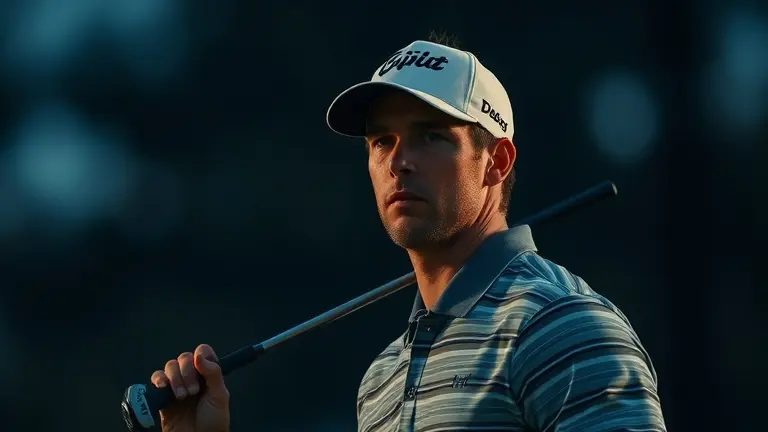
As the 126th U.S. Open tees off at the historic Shinnecock Hills, all eyes are locked on one of the game’s most resilient competitors: Brooks Koepka. However, the pre-tournament buzz is less about strategic tee placements and more about a lingering shadow—the hand injury that forced his abrupt withdrawal from the RBC Canadian Open. In a sport defined by the delicate, microscopic interaction between hand and club, any inflammation or structural compromise creates a ripple effect that alters swing mechanics, reduces control, and tests the mental fortitude of even the most decorated champions.
The current U.S. Open 2026 injury report has left fans and analysts questioning whether Koepka can overcome his physical limitations to mount a serious challenge at Shinnecock. Beyond the raw numbers of driving accuracy and Greens in Regulation (GIR), the true test lies in how a player navigates the high-pressure environment of a major championship when their primary tool—their grip—is failing. This is a battle of grit versus physics, where maintaining peak cognitive clarity becomes just as essential as the swing itself.
Brooks Koepka’s Health Status at the 126th U.S. Open
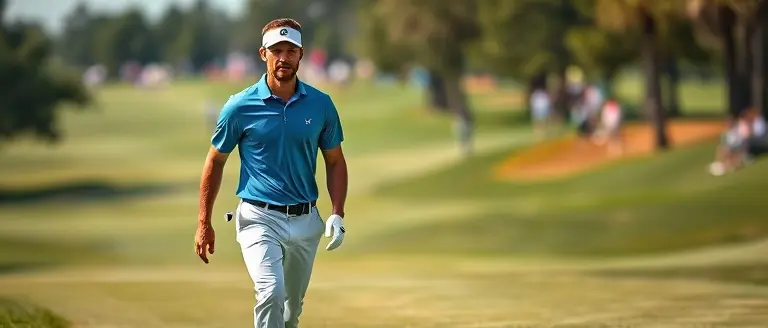
As the 126th U.S. Open commences at the historic Shinnecock Hills, the golfing world remains fixated on the physical condition of Brooks Koepka. The four-time major champion’s participation has been surrounded by uncertainty following his sudden withdrawal from the final round of the RBC Canadian Open earlier this month. The departure, explicitly linked to a persistent hand injury, triggered immediate concerns regarding his long-term recovery and his ability to contend in a major field where physical robustness is non-negotiable. While Koepka has offered “positive injury updates” during recent media sessions, he has been candid about his limitations, specifically noting that his grip strength remains below its peak capacity.
The Impact of a Compromised Grip
In high-pressure environments like Shinnecock Hills, the margin for error is razor-thin. For a power player like Koepka, the ability to control the club through impact is paramount. Analysts are closely watching how this injury might force tactical adjustments during his opening rounds:
- Swing Mechanics: A reduction in grip strength often leads to subtle compensations, potentially altering the launch angle and ball-striking consistency.
- Driving Accuracy: If Koepka cannot maintain a firm handle during his transition, his signature power game may be compromised, forcing a reliance on precision over distance.
- GIR Statistics: Tracking his Greens in Regulation (GIR) will be the primary metric to determine if the injury is hindering his ability to stick approach shots on firm, fast U.S. Open surfaces.
His historical performance at this venue adds a layer of significance to his status; Koepka has proven he has the mental fortitude to thrive under these specific conditions. However, whether his body can withstand the rigors of 72 holes of major championship golf remains the primary question for fans and experts alike. For now, the Brooks Koepka health status remains a “day-to-day” evaluation, with his competitive viability entirely dependent on his hand’s response to the intense torque required at the elite level.
Analyzing the Hand Injury: Tactical Implications for Shinnecock Hills
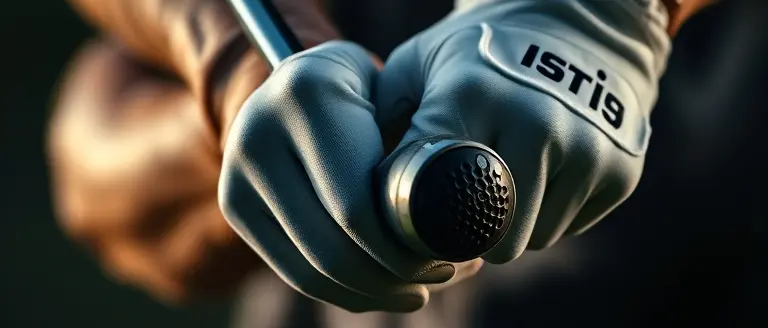
The physical toll of competing at a venue as demanding as Shinnecock Hills cannot be overstated, especially for a player managing a lingering hand injury. Brooks Koepka, known for his powerful swing mechanics and aggressive ball-striking, relies heavily on optimal grip pressure to generate clubhead speed and maintain face control. When the hands are compromised, even slightly, the kinetic chain—from the ground up through the torso and into the hands—is disrupted. For a professional golfer, a reduction in grip strength often leads to a subtle involuntary compensation in the wrists during the transition phase of the swing. This compensation can manifest as a lack of stability at impact, directly impacting Greens in Regulation (GIR) and overall driving accuracy on firm, fast fairways where precision is non-negotiable.
Biomechanical Challenges and Swing Consistency
At the elite level of the U.S. Open 2026, the difference between a championship-caliber round and a missed cut often comes down to millisecond adjustments. A hand injury limits a player’s ability to “hold off” the club through the follow-through, a critical maneuver for controlling trajectory in high-wind conditions typical of Shinnecock. If Koepka’s grip is not at 100%, he may struggle with the following:
- Club Face Manipulation: An inability to square the face at the exact point of contact, leading to dispersion issues.
- Release Timing: A potential breakdown in the late-stage release, causing the ball to leak right or fail to hold challenging greens.
- Endurance Fatigue: Hand-related injuries often trigger secondary muscle soreness as the forearm and bicep compensate for a weakened grip during a grueling four-day tournament.
While Koepka’s resilience is well-documented, the health status of his hand remains the primary variable for his performance. Analysts monitoring the U.S. Open 2026 injury report suggest that success will depend on his ability to adapt his ball-striking to rely more on lower-body stability and a measured tempo rather than his usual raw power. Whether he can sustain this tactical shift throughout the championship remains the central question for his pursuit of another major title.
Performance Tracking: Driving Accuracy and GIR Metrics
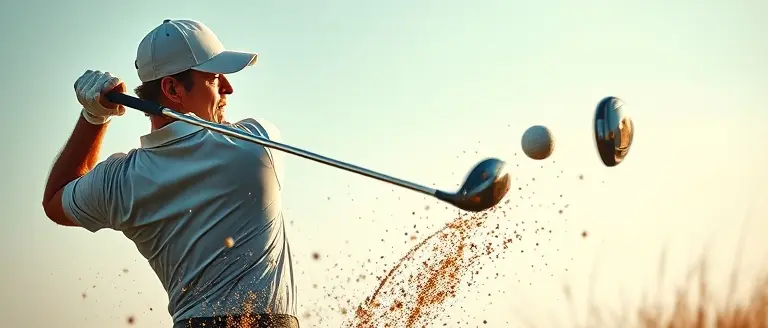
As the 126th U.S. Open unfolds at Shinnecock Hills, the Brooks Koepka health status remains the primary narrative defining the tournament leaderboard. To move beyond speculation, fans and analysts must focus on objective performance metrics that highlight the mechanical impact of a hand injury. Specifically, monitoring his Driving Accuracy and Greens in Regulation (GIR) percentages will provide the most reliable evidence regarding his physical viability under pressure. In professional golf, a compromised grip—even one that feels “mostly better”—often manifests as a loss of control in the lead hand or an inability to properly release the clubhead through the impact zone.
Analyzing Ball-Striking Consistency
When evaluating Koepka’s performance over the first 18 to 36 holes, look for deviations from his historical baseline. A typical championship-caliber performance from Koepka involves a high GIR percentage, which relies on the precise, repetitive mechanics of his ball-striking. If the hand injury is hindering his grip strength, we should expect to see the following statistical indicators:
- Increased Misses: A higher frequency of misses on one side of the fairway, suggesting an inability to square the face consistently.
- GIR Regression: A sharp decline in Greens in Regulation, specifically on approach shots requiring long irons or hybrids, where vibration impact on the injured hand is highest.
- Short-Game Compensation: If his GIR numbers drop, look for a spike in “Scrambling” stats. While this demonstrates resilience, it often signals that his full-swing mechanics are not operating at peak efficiency.
If Koepka’s U.S. Open 2026 injury report stats show a consistent dip in these categories, it serves as a data-driven validation that his hand is restricting his competitive ceiling. While he may possess the mental fortitude to navigate the challenges of Shinnecock Hills, these technical metrics will ultimately dictate whether he can maintain the pace required for a major championship victory. Tracking these figures allows observers to differentiate between a player adjusting to conditions and a player physically hampered by an underlying injury.
Koepka’s Shinnecock Performance: A Historical Context

Shinnecock Hills is widely regarded as one of the most demanding tests in major championship golf, and for Brooks Koepka, it has historically served as a canvas for his signature power-game dominance. The course demands absolute precision, particularly regarding its notorious firm, undulating greens and unpredictable coastal winds. Koepka’s ability to control his ball flight and maintain composure under the immense pressure of a U.S. Open setup has made him a perennial favorite whenever the tournament returns to this Southampton venue. His comfort level here is not merely anecdotal; it is rooted in his technical ability to navigate deep fescue and difficult pin placements that often frustrate less resilient players.
Why the 2026 Injury Report Matters
The current U.S. Open 2026 injury report regarding his hand has generated significant anxiety among fans and analysts precisely because Shinnecock requires a high degree of grip stability. Unlike other courses that might allow for a softer touch, the firm turf at Shinnecock demands a firm, controlled grip—especially when hacking out of the thick, heavy rough that characterizes the layout. If his grip strength is indeed compromised, the technical consequences are twofold:
- Swing Mechanics: A weakened hand often leads to compensatory movements in the wrist and forearm, which can disrupt the sequencing of a professional swing, leading to inconsistent contact.
- Ball-Striking Consistency: Professionals rely on precise feedback through the clubhead; a lack of grip integrity makes it difficult to square the face at impact, particularly when navigating the high-speed winds expected at Shinnecock.
The potential for a withdrawal or a diminished performance is a major narrative shift, as Koepka’s Shinnecock performance has long been viewed as the gold standard for tactical resilience. While he has provided positive updates, the medical reality of a hand injury at this level of play remains a significant hurdle. Whether he can replicate his peak efficiency while favoring his hand will be the primary storyline defining the opening rounds of this major championship.
Maintaining Your Competitive Edge Under Pressure
Whether navigating the brutal terrain of Shinnecock Hills or overcoming the daily stressors of high-stakes performance, the ability to maintain focus through discomfort is what separates the elite from the rest. Physical setbacks often introduce mental fog and performance anxiety, distracting you from the task at hand. While grip strength and swing mechanics are fundamental to golf, the true endurance required to compete at your peak lies in your systemic health and sensory clarity.
This is where Audifort becomes an indispensable ally. Just as a professional athlete needs to protect their internal systems when the body faces trauma, Audifort’s antioxidant-rich formula supports cognitive function and sustained focus. By fostering the mind-body connection, it helps you maintain the sharp, steady mental acuity required to navigate high-pressure situations, even when you aren’t operating at 100% capacity. It is the logical supplement for those who refuse to let physical stress dictate their performance.
Don’t let the weight of stress or fatigue diminish your potential. Support your cognitive resilience and sensory wellness today with a formula designed for those who demand more from their bodies and minds. Discover how to sharpen your focus and support your body’s systemic health during high-pressure situations.
 Discover how to sharpen your focus and support your body’s systemic health during high-pressure situations.Yes, I Want To Maximize My Focus Now!