
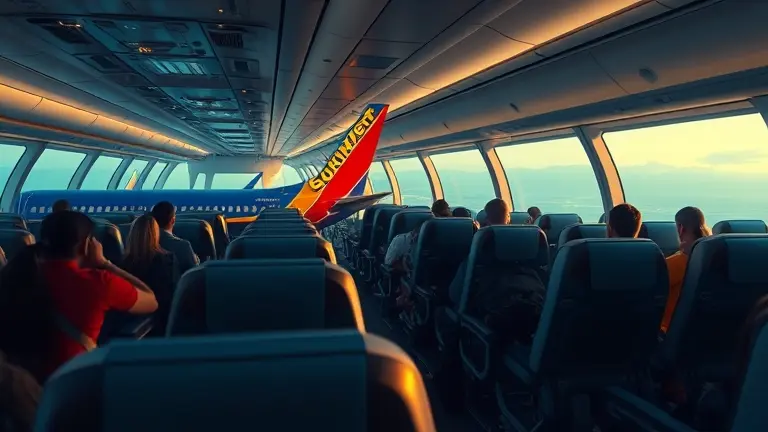
On June 17, 2026, Southwest Airlines (NYSE: LUV) signaled a seismic shift in aviation operations, announcing a comprehensive strategic partnership with Amazon Web Services (AWS) to transition to a fully cloud-based, AI-enabled architecture by 2028. For the frequent flyer, this news arrives amidst the immediate, tangible frustration of seasonal storm waivers and logistical hurdles, creating a clear contrast between the airline’s long-term promise of algorithmic precision and the current reality of travel unpredictability.
While Southwest’s massive infrastructure overhaul—including expanded in-flight entertainment partnerships—aims to solve the systemic reliability issues that have plagued the industry, travelers today are still left navigating the cognitive fog of sudden schedule shifts and airport chaos. Understanding the intersection of these high-tech corporate investments and your immediate passenger experience is essential for maintaining your composure and productivity when the skies—and the schedules—turn turbulent.
Southwest Airlines’ Dual Narrative: Cloud Transformation Meets Operational Reality

As of June 17, 2026, Southwest Airlines (NYSE: LUV) finds itself navigating a complex intersection between aggressive long-term modernization and the immediate, volatile reality of seasonal weather disruptions. While the company’s recent announcement regarding a strategic, multi-year partnership with Amazon Web Services (AWS) to transition to a fully cloud-based, AI-enabled architecture by 2028 has generated significant enthusiasm among investors and tech analysts, current passengers are facing the more granular challenges of mid-June storm events. This dual-narrative reflects the airline’s effort to reconcile its digital infrastructure goals with the day-to-day requirements of maintaining passenger trust.
From Digital Infrastructure to Passenger Reliability
The move toward an AI-integrated network is not merely a corporate rebranding; it is a calculated effort to solve the systemic operational bottlenecks that have historically plagued the airline during peak weather periods. By leveraging cloud-native analytics, Southwest aims to transition from reactive delay management to proactive network optimization. Key components of this transition include:
- Predictive Maintenance and Routing: Using AI to forecast the ripple effects of seasonal storms, allowing for dynamic re-routing of crews and aircraft before systemic failures occur.
- Customer-Centric Digital Enhancements: Integrating services like the new ABCmouse partnership into the digital experience, aiming to provide educational entertainment that adds tangible value to the in-flight environment.
- Infrastructure Resilience: Moving away from legacy systems to ensure that digital booking and waiver-processing platforms remain stable even during high-volume traffic caused by regional weather emergencies.
While investors track the 2028 modernization timeline as a marker for future profitability, the immediate success of Southwest Airlines depends on its ability to communicate clearly during current disruptions. The airline is currently deploying weather-related flight waivers to assist travelers, serving as a real-world stress test for the operational agility they hope to achieve through their AWS partnership. Ultimately, the successful integration of high-level cloud technology and front-line customer service will determine whether Southwest can effectively bridge the gap between its technical aspirations and the day-to-day expectations of its loyal passenger base.
How AI and AWS Migration Will Reshape Your Travel Experience

The recent announcement regarding a strategic partnership between Southwest Airlines and Amazon Web Services (AWS) marks a pivotal shift toward a cloud-native, AI-enabled operational model by 2028. While investors view this as a necessary financial modernization, the primary goal for frequent travelers is the mitigation of operational volatility. By moving legacy infrastructure to the cloud, Southwest aims to leverage massive datasets in real-time, moving away from reactive scheduling toward a proactive, AI-driven logistics framework.
Predictive Maintenance and Operational Reliability
At the heart of this transition is the integration of predictive analytics designed to preemptively address mechanical and logistical disruptions. By processing telemetry data from its entire fleet via AWS, the airline expects to optimize maintenance schedules before equipment failure occurs. This translates into fewer last-minute cancellations—a persistent pain point during volatile weather events like those currently impacting travel. Key benefits for the passenger include:
- Enhanced Real-Time Communication: AI algorithms will facilitate more precise, automated status updates, ensuring passengers are alerted to potential changes before they reach the terminal.
- Data-Driven Scheduling: By predicting bottlenecks caused by regional weather systems, the carrier can proactively reroute crews and aircraft, significantly reducing the “domino effect” of delays.
- Dynamic Rebooking: Future-state systems will utilize cloud-based machine learning to automatically offer optimized flight alternatives to passengers in the event of major disruptions, eliminating the need to wait in long customer service lines.
This digital transformation essentially bridges the gap between complex backend aviation data and the passenger’s need for predictability. While the full deployment is scheduled for 2028, the incremental implementation of these AI tools is intended to stabilize Southwest Airlines operations during peak travel seasons, transforming the travel experience from a reactive, weather-dependent process into a streamlined, tech-assisted journey.
Navigating Flight Weather Waivers: A Step-by-Step Guide

When severe weather disrupts travel, Southwest Airlines often issues flexible travel advisories, known as weather waivers, to assist passengers in adjusting their itineraries without standard change fees or fare differences. To determine if you are eligible, visit the “Travel Advisories” section on the Southwest website or check the alerts banner at the top of the mobile app. These waivers typically apply to flights scheduled to and from specific airports during a defined window. If your airport is listed, you can modify your travel dates or times within a certain range—usually up to 14 days from your original departure—without incurring additional costs. Always verify your eligibility before reaching out to customer service, as self-service options are frequently the fastest way to secure a new seat during peak operational stress.
How to Self-Rebook and Maximize Reliability
Using the digital tools provided by the airline is the most efficient method to navigate delays, especially as the company continues its transition toward a more robust, AI-enabled architecture designed to improve long-term operational resilience. If your flight is canceled or significantly delayed, follow these steps to expedite your re-accommodation:
- Utilize the Southwest App: Access the “Manage Reservations” feature immediately. The app often displays “Change Flight” options as soon as a waiver is activated, allowing you to rebook yourself without waiting in long airport queues.
- Monitor Real-Time Alerts: Ensure your contact information is updated in your Southwest account so you receive direct notifications regarding flight status changes.
- Consider Nearby Airports: If your primary airport is experiencing gridlock due to seasonal storms, check if the waiver allows you to change your origin or destination to a nearby city within the same region.
- Leverage Digital Self-Service: Even if you cannot find a suitable flight on the app, checking the website frequently is advised. As the system processes cancellations, new availability often opens up dynamically.
By taking a proactive approach, you reduce the pressure on ground staff and increase your chances of reaching your destination with minimal disruption. While these weather waivers provide short-term relief, the ongoing digital transformation of Southwest aims to provide more predictive data, eventually reducing the frequency of these reactive travel adjustments.
New Partnerships: Enhancing the In-Flight Experience for Families

As part of a broader commitment to refining the passenger journey, Southwest Airlines has officially launched a strategic partnership with ABCmouse, the industry-leading educational platform for children. This collaboration marks a significant shift in the airline’s in-flight entertainment strategy, moving beyond standard film and television offerings toward interactive, skill-building content designed specifically for younger travelers. By integrating this digital suite into the aircraft’s entertainment portal, the airline aims to transform the cabin environment into a more engaging space for families, effectively reducing the stress associated with long-haul or peak-season travel.
Integrating Digital Learning with Operational Modernization
This initiative is not merely a lifestyle enhancement; it functions as a critical component of the carrier’s broader digital transformation. By leveraging the same robust connectivity improvements supported by the company’s recent AWS cloud migration, Southwest is ensuring that premium, high-bandwidth educational tools remain accessible even when the network is under load. This synergy between technical backend upgrades and consumer-facing applications illustrates how the airline intends to utilize its new AI-enabled architecture to maintain consistent service quality, even during the operational complexities of current weather-related flight disturbances.
The introduction of ABCmouse offers several key benefits for Southwest passengers:
- Interactive Engagement: Access to a vast library of award-winning learning activities that keep children occupied and entertained.
- Seamless Connectivity: Leveraging optimized in-flight Wi-Fi infrastructure to ensure minimal latency for educational applications.
- Family-Centric Reliability: Reinforcing the airline’s reputation for hospitality by addressing the practical needs of parents navigating busy travel periods.
This partnership underscores a proactive approach to passenger satisfaction. While technology investments often focus on backend logistics, the integration of ABCmouse serves as a tangible reminder of the airline’s mission to provide a seamless, stress-free experience from boarding to arrival.
Elevate Your Cognitive Resilience Above the Clouds
The transition toward a cloud-based, AI-driven infrastructure at Southwest Airlines promises a future of superior operational reliability and a more seamless journey. Yet, as these complex systems undergo their digital transformation, the human traveler remains the one tasked with managing the stress of immediate delays, rebooking, and the cognitive fatigue that accompanies unpredictable air travel. While Southwest updates its mental architecture through data, you must prioritize your own cognitive clarity to remain sharp, focused, and stress-free regardless of the status of your flight.
Just as sophisticated AI is becoming the backbone of aviation logistics, high-performance individuals are turning to science-backed tools to maintain their mental edge. The Brain Song offers a specialized, neuroscience-based approach to clearing brain fog and enhancing focus during high-pressure situations. By integrating this brief, 12-minute routine into your pre-flight checklist, you effectively upgrade your mental resilience, ensuring that even when operations are in flux, your productivity and peace of mind remain constant.
This is your opportunity to pair your technical, data-driven travel habits with a tool designed for the modern, high-performance professional. Don’t let operational uncertainty dictate your cognitive state; take control of your focus today.
 Optimize your travel endurance and cognitive clarity; incorporate a 12-minute neuroscience routine into your pre-flight checklist.Yes, I Want to Master My Focus Now!