

When the New York Liberty faced the Chicago Sky on June 17, 2026, the game was far more than a routine regular-season matchup; it was a masterclass in modern defensive architecture. While casual observers were focused on the final score, the true story unfolded in the granular details of Breanna Stewart’s defensive rotation and the evolving chemistry between her and Jonquel Jones. This wasn’t just basketball; it was a high-stakes chess match where every screen, shift, and secondary break required absolute mental synchronization from the league’s elite.
As the Liberty continue their dominant push toward the Commissioner’s Cup, analyzing their path requires more than just tracking stats—it demands a deep dive into the tactical intelligence that makes their defensive scheme impenetrable. To fully appreciate the nuance of this Liberty vs Sky encounter, one must look beyond the box score and understand the cognitive speed at which these athletes operate, processing split-second defensive opportunities that determine the trajectory of the entire season.
Recapping the June 17 Showdown: Liberty vs. Sky Dynamics
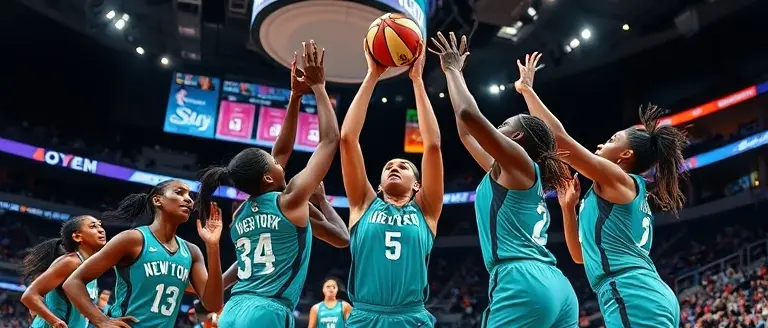
The June 17, 2026, matchup between the New York Liberty and the Chicago Sky served as a definitive litmus test for both franchises during a congested stretch of the WNBA regular season. Entering the arena with an impressive 10-4 record, the Liberty were riding the momentum of a seven-game winning streak, positioning themselves as the team to beat in the Eastern Conference. This specific liberty vs sky encounter was far more than a routine mid-season fixture; it represented a critical junction in the Commissioner’s Cup round-robin series, where the Liberty sought to solidify their dominance and punch their ticket to the championship final.
Strategic Implications and Performance Metrics
The tactical depth displayed during this game underscored why the Liberty are considered top-tier title contenders. Throughout the contest, the synergy between Breanna Stewart and Jonquel Jones proved insurmountable for the Sky’s defensive rotations. The following dynamics defined the game’s outcome and the broader season trajectory:
- Defensive Versatility: The Liberty utilized high-pressure perimeter defense to disrupt the Sky’s rhythm, forcing turnovers that fueled transition scoring opportunities.
- Commissioner’s Cup Stakes: By maintaining their winning streak, the Liberty effectively navigated the high-stakes pressure required to clinch their spot in the final, proving their resilience under the format’s unique scheduling demands.
- Star Synergy: The interior presence of Jones complemented Stewart’s multifaceted scoring and defensive rim protection, creating a dual-threat frontcourt that the Chicago Sky struggled to contain throughout the four quarters.
Evidence from this clash suggests that the Liberty’s success is rooted in their ability to maintain defensive intensity while simultaneously integrating their roster depth. For the Chicago Sky, the game highlighted clear developmental areas, particularly regarding interior shot blocking and perimeter ball security. This pivotal June matchup not only impacted the standings but also provided a masterclass in how an elite, chemistry-driven squad like New York approaches high-leverage games as they march toward the post-season.
The Stewart-Jones Connection: Unlocking Liberty’s Offensive Efficiency

The tactical synergy between Breanna Stewart and Jonquel Jones has become the primary engine driving the New York Liberty toward their current dominance. During the high-stakes liberty vs sky matchup, this duo displayed a masterclass in modern basketball spacing, forcing Chicago’s defensive front to choose between collapsing on the interior or staying home on the perimeter. By weaponizing their versatility, Stewart and Jones have effectively neutralized traditional defensive schemes, turning the paint into a high-efficiency zone for New York.
Tactical Synergy and Interior Gravity
The core of this partnership lies in their interchangeable roles. When Stewart operates at the top of the key, her gravity as an elite playmaker pulls rim protectors away from the basket, opening lanes for Jones. Conversely, when Jones establishes deep post position, her ability to pass out of double-teams allows Stewart to capitalize on defensive rotations. Key components of their offensive success include:
- High-Low Action: The ability for both players to occupy high or low blocks keeps Chicago’s defenders in a constant state of flux, preventing them from establishing a rigid defensive shell.
- Pick-and-Roll Versatility: Stewart’s movement as a screener creates immediate mismatches, forcing switches that Jones exploits with her superior size and rebounding prowess.
- Spacing Efficiency: By stretching the floor, the pair creates “empty side” pick-and-rolls, which essentially isolates them against one-on-one coverage, a scenario where both players excel.
The result of this tactical cohesion is an offensive flow that ranks among the league’s most efficient. Evidence suggests that the Liberty’s seven-game winning streak is not merely a result of individual scoring bursts, but rather the deliberate, systematic exploitation of defensive gaps created by the Stewart-Jones tandem. As they continue their march toward the Commissioner’s Cup, this interior-exterior balance will remain the cornerstone of New York’s championship identity.
Beyond the Box Score: Measuring Impact on the Commissioner’s Cup Run
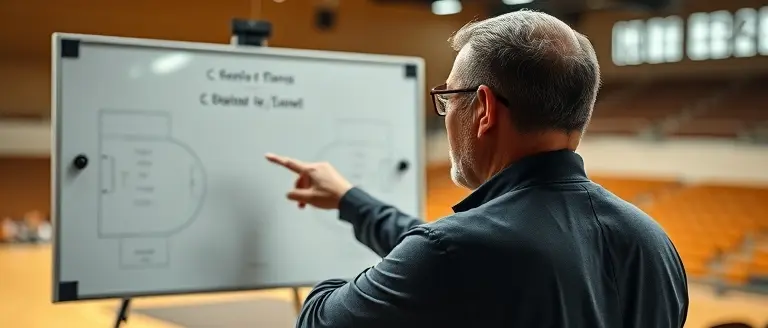
The New York Liberty vs Sky matchup on June 17, 2026, served as far more than a standard regular-season contest; it functioned as a high-stakes stress test for the Liberty’s championship aspirations. By securing a victory in this round-robin clash, the Liberty reinforced their tactical readiness for the Commissioner’s Cup final. Analysts tracking the team’s trajectory note that the synergy between Breanna Stewart and Jonquel Jones has evolved beyond simple offensive output, shifting into a defensive anchor system that effectively neutralizes perimeter threats while maintaining interior dominance. This game proved that New York possesses the adaptability required to sustain their momentum against aggressive, transition-heavy opponents like Chicago.
Tactical Blueprint for Postseason Success
The defensive adjustments displayed during the game provided a clear look at the Liberty’s potential postseason strategy. By tightening rotations and prioritizing defensive glass control, New York demonstrated an ability to close out games under high-pressure scenarios. Key takeaways from their performance include:
- Switchable Defense: The Liberty utilized high-screen hedge variations that forced the Sky into low-percentage perimeter shots, a hallmark of elite defensive coaching.
- Frontcourt Synergy: Stewart’s ability to anchor the paint while Jones stretches the floor created a gravitational pull that disrupted Chicago’s defensive assignments.
- Transition Efficiency: Even when not hitting shots, the Liberty’s commitment to defensive transition minimized fast-break opportunities for the Sky, a critical component for late-game management.
Evidence suggests that these specific adjustments are not merely reactive but are foundational elements of the Liberty’s long-term identity. As the team moves toward the Commissioner’s Cup, this win acts as a benchmark for sustained execution. By limiting unforced errors and leaning on the veteran composure of their frontcourt, the Liberty are signaling that their 7-game winning streak is rooted in structural discipline rather than transient hot streaks, positioning them as the team to beat in the 2026 title race.
Defensive Architecture: How the Liberty Shut Down Chicago’s Perimeter

The New York Liberty entered their June 17, 2026, matchup against the Chicago Sky with more than just a seven-game winning streak; they brought a masterclass in modern defensive discipline. The liberty vs sky narrative often focuses on scoring punch, but the real story of this encounter was New York’s ability to suffocate the perimeter, effectively neutralizing Chicago’s backcourt rhythm. By utilizing a high-intensity switching scheme, the Liberty forced the Sky into stagnant possessions, consistently denying clean looks from the arc and forcing contested long-range attempts that rarely found their mark.
Key Tactical Pillars of the Liberty Defense
New York’s defensive success is anchored by a sophisticated rotation system that prioritizes length and versatility. Key factors included:
- Switching Versatility: By deploying flexible defenders, New York ensured that pick-and-roll actions rarely created the defensive mismatches that Chicago relies on to generate open lanes.
- Pressure Metrics: The Liberty maintained relentless ball pressure, forcing the Sky into rushed decision-making. This pressure was instrumental in disrupting Chicago’s offensive flow before it reached the paint.
- Rim Protection Synergy: When guards did penetrate, the synergy between Breanna Stewart and Jonquel Jones acted as a final, immovable barrier. Stewart’s defensive awareness—evidenced by her elite shot-blocking—forced Chicago to abandon interior drives entirely.
- Transition Discipline: New York’s commitment to “getting back” prevented Chicago from capitalizing on fast-break opportunities, forcing the Sky to play against a set, locked-in half-court defense.
This defensive architecture is not merely about individual athleticism; it is a testament to the Liberty’s high basketball IQ. By shrinking the floor and effectively communicating through off-ball screens, New York systematically dismantled the Sky’s offensive playbook. The result was a disciplined, cohesive performance that solidifies the Liberty’s status as a top-tier defensive unit, setting a rigorous standard for their remaining Commissioner’s Cup schedule and beyond.
Elevate Your Analytical Game
The tactical brilliance displayed by the Liberty against the Sky serves as a reminder that victory is often a game of mental margins. Just as New York relies on intense, split-second communication to execute their complex defensive rotations, your ability to extract value from these deep-dive analyses depends entirely on your own cognitive sharpness. Watching basketball at an elite level isn’t passive—it’s an exercise in pattern recognition and rapid information processing that demands peak mental clarity.
This is where ‘The Brain Song’ becomes an essential tool for the serious sports intellectual. By integrating this auditory routine into your game-day preparation, you are not just consuming content; you are sharpening your ability to track intricate plays and synergy patterns that others miss. It is the natural, high-performance bridge between being a casual fan and a sophisticated analyst, designed to ensure your focus remains razor-sharp during even the most dense tactical breakdowns.
Don’t let the nuances of professional play blur into the background. Give your brain the tactical advantage it needs to thrive in the modern era of data-driven sports. Start optimizing your cognitive edge today and turn every game analysis into a mastery of the sport.
 Ready to sharpen your analytical edge? Try this 12-minute auditory routine to maximize your focus for the next game breakdown.Yes, I Want This Now!