

The 2026 FIFA World Cup Group J encounter between Austria and Jordan at Levi’s Stadium was a landmark event that transcended the simple reality of a match score. For Austria, it marked a significant return to the global stage after nearly three decades of anticipation, while for Jordan, the whistle represented the culmination of a historic, long-awaited debut. The match quickly became a focal point for football enthusiasts, not merely because of the result, but because of the stark contrast between a re-emerging European contender and an Asian team carving their own identity into the annals of World Cup history.
Austria vs. Jordan was more than a fixture; it was a tactical and emotional tug-of-war that provided a wealth of data for those willing to look beyond the live blog headlines. By analyzing the structural discipline of the Austrian project against the evolving landscape of Jordanian football, we uncover a fascinating study of how different nations approach the pinnacle of the sport. As we delve into this post-match examination, we invite you to move past the generic reporting and engage with the rich, tactical complexities that made this game a pivotal moment in the 2026 tournament.
A Historic Clash: The Austria vs. Jordan Narrative at World Cup 2026

The Austria vs. Jordan encounter on June 17, 2026, at Levi’s Stadium in Santa Clara served as one of the most compelling storylines of the 2026 FIFA World Cup Group J stage. Representing a profound collision of footballing legacies, the fixture pitted an Austrian side desperate to re-establish its relevance on the global stage against a Jordanian team fueled by the pride of a historic first-ever tournament appearance. For Austria, the match marked their highly anticipated return to the World Cup for the first time since 1998, ending a 28-year absence that had long frustrated the nation’s passionate fanbase.
The Contrast of Eras and Aspirations
The global interest surrounding the jordan vs austria match was rooted in the starkly different narratives each team carried into the tournament. While Austria sought to prove that their systematic youth development and modern tactical evolution could translate into success on the world stage, Jordan entered as the quintessential underdog. The atmosphere inside Levi’s Stadium was electric, defined by a significant turnout from the Jordanian diaspora and fans eager to witness the team’s inaugural steps in the global tournament.
Key narrative elements that defined this match included:
- Generational Redemption: Austria’s return after nearly three decades placed significant pressure on the squad to perform, framing the match as a test of their endurance against a gritty, high-energy opponent.
- The Historic Debut: For Jordan, the primary goal was to make their mark on the international stage, a mission realized through the historic first-ever World Cup goal by Ali Olwan.
- Tactical Contrasts: The match served as a case study in footballing philosophy, comparing the established European discipline of the Austrian system against the developing, high-intensity tactical landscape of the Jordanian national program.
Ultimately, the match provided more than just a scoreline; it highlighted the democratization of the sport, where long-dormant footballing powers and emerging nations converge on the same pitch to write new history. Whether conducting an austria vs jordan prediction analysis or looking back at the tactical shifts, fans and analysts alike recognize this Group J fixture as a defining moment in the 2026 tournament’s group stage.
Tactical Breakdown: Strategies of Austria and Jordan
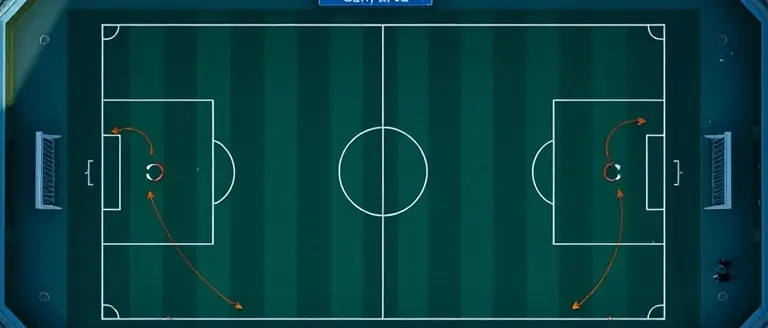
The Austria vs Jordan clash in Group J presented a fascinating study in tactical contrast, pitting the structured, veteran-led discipline of a reemerging European side against the raw, high-energy ambition of a nation making its historic Jordan World Cup debut. Austria entered the fixture at Levi’s Stadium with a clear mandate: control the tempo through organized ball circulation and high-pressing transitions. Their tactical setup relied heavily on a compact midfield block designed to neutralize counter-attacking opportunities, a strategy perfected during their rigorous qualification campaign. This methodical approach aimed to stifle any early momentum from their opponents, effectively forcing the game into a controlled rhythm that suited Austria’s more experienced roster.
Conversely, Jordan’s strategy was defined by a fearless, vertical approach that sought to leverage the adrenaline of their maiden World Cup appearance. Rather than sitting deep, the Jordanian side utilized rapid wide transitions, repeatedly testing the Austrian flanks. This high-energy deployment led to several defining moments, most notably the historic first-ever Jordan World Cup goal scored by Ali Olwan, which came as a direct result of a quick-fire sequence that caught the Austrian defense off-guard. The game’s tempo was defined by these two competing philosophies:
- Austria’s Discipline: A systematic reliance on structured build-up play and defensive transition, reflecting years of European tactical refinement.
- Jordan’s Adrenaline: A high-pressing, high-stakes attacking style that prioritized verticality and individual creativity over sustained possession.
Analyzing the Austria vs Jordan prediction outcomes versus the reality on the pitch reveals that Jordan’s tactical unpredictability was their greatest asset. While Austria dominated the majority of the ball, Jordan’s ability to inject sudden bursts of speed into the final third created a tactical stalemate that lasted well into the second half. Ultimately, the match served as a masterclass in how modern international football rewards both the tactical rigidity of established programs and the tactical fluidity of hungry newcomers. By prioritizing speed over traditional formation discipline, Jordan ensured their debut was not just a participation trophy, but a competitive statement in Group J.
The Road to Group J: Standings and Post-Match Implications
The Austria vs Jordan fixture held at Levi’s Stadium proved to be a pivotal turning point for the Group J hierarchy in the 2026 FIFA World Cup. While many pre-match analysts focused on the austria vs jordan prediction models that heavily favored the European side, the reality on the pitch shifted the narrative significantly. For Austria, a team making a long-awaited return to the global stage after their 1998 hiatus, the match served as a high-pressure litmus test. The result forced a critical re-evaluation of their tactical setup, particularly regarding their ability to break down disciplined defensive blocks that prioritize transition play and clinical counter-attacks.
Strategic Impact on Qualification Trajectory
The implications of this result ripple throughout the remainder of the Group J schedule, complicating the qualification path for both nations. For Jordan, the match was far more than a statistics sheet; it represented their historic debut on the world stage. Securing a competitive performance—highlighted by the landmark goal from Ali Olwan—provided the Jordanian squad with newfound tactical confidence. This result fundamentally altered the group’s outlook:
- For Austria: The focus shifted from comfortable progression to securing must-win points in their final two group matches to avoid an early exit.
- For Jordan: The momentum from this performance provides a psychological advantage, forcing upcoming opponents to respect their attacking potential rather than treating them as an automatic three points.
- Group Dynamics: The unpredictability of this fixture has turned Group J into a “group of death” scenario, where every goal difference now carries significantly more weight for teams attempting to reach the knockout stages.
Ultimately, the match between jordan vs austria serves as a case study in modern international football parity. While Austria entered the tournament with deeper historical pedigree, the grit shown by the Jordanian debutants illustrates how quickly tournament standings can be disrupted by tactical discipline and individual flashes of brilliance. As teams move deeper into the 2026 World Cup, the lessons learned from this clash in Santa Clara will define the defensive adjustments and squad rotations implemented by coaching staffs looking to secure their place in the Round of 32.
Legacy of the Match: What Jordan’s Debut Means for Asian Football

The Austria vs Jordan clash at the 2026 FIFA World Cup transcended the final scoreline, serving as a watershed moment for Jordanian sports and the broader development of football in the Middle East. As a debutant nation stepping onto the global stage, Jordan faced an experienced Austrian side eager to prove their relevance after a decades-long absence from the tournament. While the match provided a tactical contrast between European pedigree and Asian ambition, the true legacy lies in the sheer presence of the Jordanian team at Levi’s Stadium. For the thousands of fans in attendance and millions watching back home, witnessing Ali Olwan record Jordan’s first-ever World Cup goal validated years of investment in the national youth development pipeline.
Impact on Regional Football Growth
The performance against a seasoned European opponent offers a blueprint for how emerging nations can compete on the world stage. By holding their own, Jordan signaled to the Asian Football Confederation (AFC) that the competitive gap between traditional powerhouses and developing programs is closing. Key takeaways from this historic fixture include:
- Inspirational Value: The journey of the Jordanian squad serves as a tangible goal for smaller football associations, proving that consistent tactical progression leads to qualification.
- Cultural Integration: The significant turnout of the Jordanian diaspora highlighted the unifying power of the “beautiful game,” fostering a sense of national pride that resonates far beyond the pitch.
- Tactical Evolution: The match provided vital experience for Jordanian players, many of whom are now positioned to seek opportunities in more competitive European leagues, further accelerating the nation’s professional standards.
Ultimately, the Jordan vs Austria narrative is not defined by the win-loss column but by the elevation of Jordan’s profile in international football. As regional football continues to evolve, this debut will be remembered as the catalyst that shifted perceptions of the team from outsiders to legitimate contenders on the world stage. Whether through improved domestic infrastructure or increased interest from international scouts, the long-term project of the Jordanian national team has officially moved from a dream to a sustainable reality, providing a roadmap for future debutants in upcoming FIFA World Cup cycles.
Beyond the Scoreline: Elevating Your Analytical Game
The Austria vs. Jordan clash at the 2026 World Cup was far more than a statistical entry; it was a profound collision of footballing legacies and national aspirations. As we look back, the true narrative lies in the tactical evolution of an experienced European side and the resilient, historic debut of a team representing an entire nation’s dreams. True sports analysis requires us to peel back these layers, moving past the surface-level reports to grasp the deeper, strategic undercurrents that defined this historic meeting.
Just as the Jordanian team had to sharpen their tactical discipline to navigate the pressure of their first World Cup, dissecting these complex sports narratives requires a level of mental acuity that is often clouded by modern digital distractions. To truly understand the intricacies of international football, one must possess sustained mental clarity and the ability to synthesize high-density information. This is where your approach to information consumption must evolve alongside the game.
We have developed a professional-grade mental ‘tuning’ tool for fans and analysts who refuse to settle for surface-level commentary. The Brain Song is designed to provide the cognitive focus you need to absorb and analyze complex sports statistics, historical patterns, and tactical shifts with precision. By integrating our 12-minute audio routine into your daily ritual, you can sharpen your focus and unlock a deeper, more analytical connection to the sports you love.
 Unlock your peak analytical potential and sharpen your focus for deep-dive sports research with The Brain Song’s 12-minute audio routine.Yes, I Want to Sharpen My Focus Today!