

When the latest research from the University of Hawaiʻi at Mānoa signaled that the San Andreas and San Jacinto fault systems have reached their highest seismic stress levels in a millennium, the news sent a wave of understandable anxiety across Southern California. While headlines often prioritize the raw, alarmist potential of a simultaneous rupture, the reality is far more nuanced for those of us living in the affected corridors. This is not a signal to panic, but rather a definitive call to transition from passive worry to informed, evidence-based home resilience.
Understanding the tectonic reality of our region means acknowledging that while we cannot prevent the earth from shifting, we can significantly alter the outcome for our families and properties. By analyzing this data against modern engineering standards and local infrastructure retrofitting efforts, we can pinpoint exactly where our personal vulnerability lies. The path forward is clear: it is time to move past the headlines and begin the work of fortifying our homes to ensure they remain our safest shelters when the ground inevitably moves.
Understanding the June 2026 Seismic Stress Report

In June 2026, researchers at the University of Hawaiʻi at Mānoa released a landmark study identifying that seismic stress along the San Andreas fault and the adjacent San Jacinto fault systems has reached its highest level in a millennium. This scientific finding is based on complex geophysical modeling of tectonic plate movement and crustal deformation. It is critical to understand that this “1,000-year stress” metric refers to the accumulation of geological energy over long timescales rather than a countdown to an imminent, inevitable catastrophe. Seismologists emphasize that while the tectonic pressure is at a peak, earthquake prediction remains scientifically impossible in terms of specific days or months.
Distinguishing Geological Stress from Immediate Risk
The core of the recent findings revolves around the potential for simultaneous ruptures. Historically, seismic events on these fault systems have often occurred independently. However, the 2026 data indicates that the coupling effect between the two systems has increased, meaning a rupture in one could potentially trigger or influence the other.
Key takeaways for Southern California residents include:
- Energy Accumulation: The stress levels indicate that the earth’s crust has reached a threshold where a significant release of energy is geologically “due,” but this timeframe operates on a scale of decades or longer.
- Modern Resilience: Unlike historical earthquakes, current infrastructure in California is governed by some of the most stringent building codes in the world, specifically designed to withstand high-magnitude seismic activity.
- Risk Context: While the stress is high, this report serves as a baseline for policymakers and urban planners to prioritize seismic retrofitting rather than a cause for immediate public panic.
By focusing on the data provided by the University of Hawaiʻi, we can shift the narrative from existential dread to evidence-based preparedness. Understanding that this stress accumulation is a measurable reality allows homeowners and local governments in the Inland Empire and beyond to proactively strengthen critical infrastructure and refine emergency response protocols.
Contextualizing the Risk: Modern Building Codes vs. Historic Stress
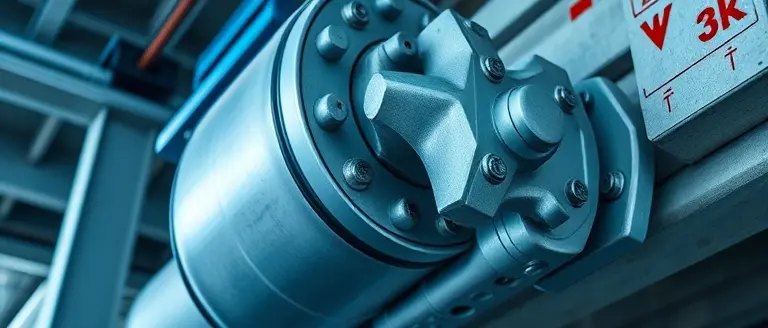
While the recent findings from the University of Hawaiʻi at Mānoa regarding the San Andreas fault highest stress level in a millennium have justifiably captured public attention, civil engineers emphasize that seismic risk is not a binary state of safety versus catastrophe. The 1,000-year stress statistic describes the geological energy accumulated along the fault system, but it does not account for the radical evolution in California’s construction standards. Since the 1994 Northridge earthquake, the state has implemented some of the most rigorous seismic building codes in the world. Modern infrastructure, particularly those structures built after the mid-1990s, are engineered with “ductility”—the ability of a building to bend, sway, and absorb seismic energy without undergoing a catastrophic collapse.
Why Modern Engineering Matters
Current building codes prioritize life safety over structural preservation. This means that while a modern building might sustain significant damage during a high-magnitude rupture, it is designed specifically to remain standing long enough for occupants to evacuate safely. The shift in engineering philosophy since the Northridge event includes several critical upgrades:
- Steel Frame Reinforcement: Improved welding techniques and stronger moment-resisting frames prevent structural failures during intense lateral shaking.
- Foundation Bolting: Retrofitting mandates for residential homes have significantly reduced the risk of houses sliding off their foundations, a primary cause of historic losses.
- Soft-Story Mitigation: Many municipalities have aggressively incentivized the retrofitting of “soft-story” apartments—structures with garages on the ground floor—which were previously identified as high-risk vulnerabilities.
- Advanced Material Science: The use of high-strength, flexible materials ensures that skyscrapers and bridges can dissipate the energy from a potential San Jacinto fault or San Andreas event effectively.
While the geologic stress is at a record high, the “Big One” today would encounter a landscape much better prepared than the one that existed even thirty years ago. Residents in the Inland Empire and across Southern California should view these seismic findings not as an omen of inevitable destruction, but as a prompt to evaluate the retrofitting status of their own properties. Professional inspections of older foundations and structural connections remain the most effective way to translate scientific data into personal household resilience.
Direct Impact on Inland Empire and Southern California Communities
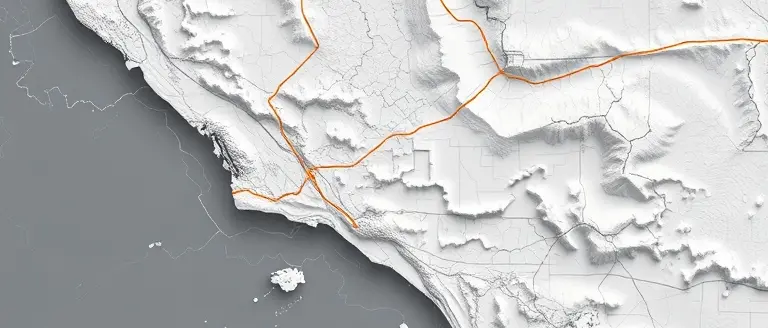
The recent findings from the University of Hawaiʻi at Mānoa regarding the San Andreas fault highest stress level in a millennium serve as a critical reminder for residents across the Inland Empire and greater Southern California. While the geological data is significant, the actual risk to homeowners varies drastically based on local geography and infrastructure integrity. In the Inland Empire, communities situated near the intersection of the San Andreas and San Jacinto systems face unique challenges. The primary concern is not just the fault rupture itself, but the phenomenon of wave amplification. Areas with deep, loose sedimentary basins—common throughout the Inland Empire—can experience significantly stronger shaking than areas built on solid bedrock, as these soft soils act like jelly, amplifying seismic waves as they travel through the ground.
Understanding Regional Vulnerabilities and Soil Sensitivity
To determine your specific risk level, it is essential to look beyond general proximity to the fault lines. Modern seismic mapping has identified “liquefaction zones” and areas prone to high-frequency ground motion. For Southern California residents, the following steps are vital for personal assessment:
- Check Regulatory Maps: Visit the California Geological Survey (CGS) Data Viewer to see if your property sits within an official Earthquake Fault Zone or a liquefaction hazard area.
- Evaluate Construction Era: Homes built before the implementation of rigorous 1990s and 2000s building codes are statistically more vulnerable to structural failure during high-magnitude events.
- Infrastructure Context: Research whether your municipality has mandated soft-story retrofitting for apartment complexes or unreinforced masonry (URM) building programs, which provide a clear indicator of how seriously local government is addressing these stress findings.
While the “1,000-year” statistic naturally induces anxiety, the goal of this evidence is to foster informed preparedness. Homeowners should focus on securing heavy furniture, ensuring their water heaters are braced, and reviewing their earthquake insurance options. By understanding that Southern California’s seismic risk is a constant, rather than an immediate catastrophe, residents can move from a state of “earthquake fatigue” to one of manageable, proactive resilience.
Evidence-Based Preparedness: A Resident’s Checklist

While the recent report from the University of Hawaiʻi at Mānoa regarding the San Andreas fault highest stress level in a millennium has understandably captured headlines, it serves best as a prompt for long-term household resilience rather than immediate alarm. In Southern California, earthquake preparedness is a continuous lifestyle habit, not a reactionary measure. Modern building codes and infrastructure retrofitting have significantly bolstered the structural integrity of the region, yet individual responsibility remains the cornerstone of personal safety during a seismic event.
Practical Resilience for Every Household
To effectively mitigate risks, focus on securing your physical environment and establishing clear, actionable protocols for your family. Start by addressing the most common cause of earthquake-related injuries: falling objects.
- Secure Heavy Furniture: Anchor bookshelves, water heaters, and large electronics to wall studs using seismic straps. This simple step prevents hazardous debris from blocking exits or causing injury.
- Update Your ‘Go-Bag’: Ensure your emergency kit contains at least one gallon of water per person per day, a three-day supply of non-perishable food, prescription medications, and a manual hand-crank radio.
- Develop a Communication Plan: In the event of a rupture along a major fault line, cellular networks may become congested. Designate an out-of-state contact person whom all family members can text to report their status.
- Master the Protocol: Consistently practice ‘Drop, Cover, and Hold On.’ By moving under a sturdy table and shielding your head and neck, you significantly reduce the risk of injury from flying glass or collapsing ceiling materials.
Preparedness should be viewed as a permanent safeguard. By integrating these practices into your annual routine, you transform the anxiety surrounding the 1,000-year stress findings into a proactive strategy that ensures your household remains resilient regardless of when the next seismic event occurs.
Hardening Your Sanctuary Against Seismic Risk
The core takeaway from the latest seismic findings is that our collective safety is a product of our individual preparation. While regional infrastructure projects are crucial, the most immediate and impactful defensive measures happen within our own four walls. Strengthening the physical integrity of your living space is the most practical way to transform abstract fear into a tangible, actionable defense strategy against the potential forces of the San Andreas fault.
We cannot stop the fault lines from shifting, but we can significantly increase our personal resilience by ensuring our own homes are properly secured and reinforced. This is exactly where the professional, workshop-tested plans provided by Ted’s Woodworking become an essential part of your emergency preparedness toolkit. Whether you are looking to secure heavy furniture, build structural bracing, or reinforce key living areas, having access to over 16,000 professional, step-by-step blueprints allows you to complete these critical safety projects without the need for expensive, hard-to-schedule contractors.
By leveraging these precise, DIY-friendly blueprints, you are taking proactive, constructive action to protect your property and loved ones. These plans provide the technical capability required to physically harden your home environment, effectively turning a moment of scientific alarm into a foundation for long-term domestic safety and peace of mind.
 Start building your home’s defensive infrastructure today with these professional, workshop-tested reinforcement plans.Secure My Home Today!