
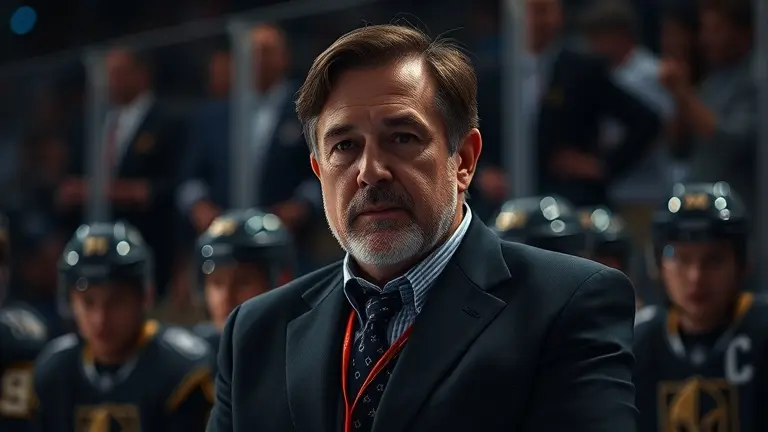
In a stunning off-season development that has rattled the foundations of the NHL, the Vegas Golden Knights have officially parted ways with John Tortorella. Despite his interim leadership propelling the franchise to the 2026 Stanley Cup Final—a testament to his undeniable ability to galvanize a roster under pressure—the organization has chosen to move in a different direction. This abrupt exit, compounded by a $100,000 fine and the forfeiture of a 2026 second-round draft pick due to volatile media interactions, paints a complex portrait of a coach whose intensity proved to be both his greatest asset and his ultimate undoing.
The hockey world is now left to grapple with the “what if” of a tenure that promised long-term stability but ended in disciplinary controversy. Was the Golden Knights’ front office simply waiting for the season to end to execute a predetermined plan, or did the mounting league pressure create an untenable culture that overshadowed his on-ice achievements? As we dive into the fallout of this decision, we must examine the internal logic of a front office that seemingly valued organizational optics as highly as, if not more than, a deep playoff run.
The End of an Interim Era: Tortorella Parts Ways with Vegas
On June 16, 2026, the Vegas Golden Knights officially announced that John Tortorella will not return as head coach, marking a sudden and controversial conclusion to his high-stakes tenure. Despite guiding the team to a remarkable appearance in the 2026 Stanley Cup Final, where they ultimately succumbed to the Carolina Hurricanes in a hard-fought six-game series, the organization has opted for a strategic shift in leadership. This decision by GM Kelly McCrimmon leaves many observers questioning the long-term vision of a franchise that values both championship contention and strict adherence to organizational standards.
The brevity of the tortorella era was characterized by an aggressive, high-intensity playing style that maximized the team’s playoff potential but ultimately clashed with the league’s expectations for conduct. The departure is inextricably linked to significant disciplinary actions handed down by the NHL. Following a series of volatile post-game media interactions, the league imposed a $100,000 fine on the coach and stripped the Golden Knights of a 2026 second-round draft pick. These sanctions have created a lingering shadow over the team’s postseason success, casting doubt on whether his “interim” approach was ever intended to be a sustainable long-term model.
Key Factors in the Departure
The decision to move on from a coach who just reached the league’s final stage suggests that the front office prioritized institutional stability over the immediate success of the playoff run. Notable factors influencing this outcome include:
- Disciplinary Fallout: The NHL’s financial and draft pick penalties directly undermined the organization’s reputation and future asset management.
- Media Relations: The repeated tension during press conferences created a persistent distraction that the Golden Knights’ leadership found increasingly untenable.
- Strategic Misalignment: While the “interim” spark ignited the roster during the playoffs, the front office appears to be seeking a more measured, traditional leadership profile for the upcoming season.
Ultimately, the exit of John Tortorella serves as a stark reminder that even elite performance on the ice cannot shield a coach from the consequences of poor professional conduct off the ice, leaving the Golden Knights at a pivotal crossroads as they begin their search for a permanent successor.
Analyzing the Front Office Logic: Success Versus Compliance
The decision by Vegas Golden Knights general manager Kelly McCrimmon to part ways with John Tortorella following a Stanley Cup Final appearance is, on its surface, baffling. However, deeper analysis suggests that the front office prioritized long-term institutional stability over the short-term adrenaline of a playoff run. While tortorella proved his ability to maximize a roster’s competitive edge under pressure, his tenure as an interim coach highlighted a fundamental misalignment with the organization’s vision of modern professional standards. The decision to move on indicates that the front office viewed his high-intensity, confrontational approach as a temporary catalyst rather than a sustainable framework for the team’s future culture.
The Cost of Non-Compliance
The organization’s decision was likely compounded by the severe disciplinary action levied by the NHL. The combination of a $100,000 fine and the forfeiture of a 2026 second-round draft pick serves as a clear signal that the league office—and by extension, the Golden Knights’ front office—is intolerant of behavior that undermines the league’s media and conduct mandates.
- Financial and Draft Impact: Losing a second-round pick limits the team’s ability to replenish its prospect pipeline, a critical asset for a franchise historically known for aggressive roster building.
- Reputational Management: The NHL’s sanctions effectively turned a successful coaching stint into a liability. For an organization looking to market its brand and attract elite talent, the chaos surrounding John Tortorella and his post-game media interactions became a distraction that outweighed his tactical successes.
- Cultural Fit: Modern NHL coaching requires a delicate balance between demanding excellence on the ice and maintaining diplomacy in public forums. The Golden Knights clearly concluded that they need a coach who can replicate the tactical intensity of tortorella without the collateral damage of disciplinary fines and off-ice friction.
Ultimately, this move reflects a pivot toward a more polished leadership style, ensuring that the team’s performance in the standings is no longer overshadowed by extracurricular volatility.
The Tortorella Paradox: Why Intensity Can Become a Liability

The 2026 postseason run by the Vegas Golden Knights served as a masterclass in the efficacy of the “us against the world” mentality. Under John Tortorella, the team found a defiant identity that allowed them to navigate a grueling path to the Stanley Cup Final. By fostering a high-pressure environment, Tortorella effectively insulated his roster from external criticism, creating a bunker mentality that demanded accountability and relentless effort. However, this same intensity—his signature coaching trademark—eventually crossed the threshold from an on-ice motivator into a significant administrative and financial liability for the organization.
The Cost of Old-School Combustibility
The decision by GM Kelly McCrimmon to part ways with Tortorella reflects a growing shift in the NHL, where front offices are increasingly prioritizing organizational reputation and regulatory compliance over the volatile, “old school” coaching archetype. The recent league-imposed sanctions, including a $100,000 fine and the forfeiture of a 2026 second-round draft pick, highlight the tangible consequences of Tortorella’s post-game media interactions. While players often respond well to a coach willing to battle the establishment, the front office is forced to calculate the long-term health of the franchise against short-term playoff success. Key factors influencing this corporate pivot include:
- Brand Alignment: Modern NHL organizations seek coaches who act as ambassadors rather than antagonists to league officials.
- Asset Preservation: The loss of draft capital is a severe penalty that jeopardizes the team’s ability to replenish talent, making the “Tortorella tax” difficult for management to justify.
- Sustainable Culture: While his methods sparked an interim surge, there is ongoing internal debate about whether his hyper-intense style is sustainable for a full 82-game regular season.
Ultimately, the Vegas Golden Knights’ front office recognized that while tortorella provided the tactical spark to reach the pinnacle of the sport, his combative nature had become a friction point that the modern NHL environment no longer accommodates. By moving on, the organization signals a preference for a more measured, stable leadership model that protects the team’s long-term assets and reputation.
Looking Ahead: The Search for a Permanent Vegas Bench Boss
The departure of John Tortorella leaves the Vegas Golden Knights at a pivotal crossroads. While his “interim” tenure culminated in a Stanley Cup Final appearance, the organization must now determine if the high-intensity, confrontational style of Tortorella aligns with a long-term championship window. Vegas front-office brass must weigh the benefits of a “hard-nosed” disciplinarian against the modern preference for a collaborative, player-friendly communicator who prioritizes locker room stability and long-term buy-in.
Comparing Coaching Philosophies for Vegas
The choice for the next head coach will define the team’s identity for the next several years. When evaluating the replacement, the following trade-offs become clear:
- The Disciplinarian Model: As seen with tortorella, this approach maximizes effort and accountability in the short term. However, the associated risks—including the recent $100,000 fine and loss of draft capital due to media-related conduct—suggest that this high-stress environment may be unsustainable for a team seeking consistent, multi-year success.
- The Player-Friendly Communicator: This profile focuses on tactical adaptability and fostering strong player relationships. For a veteran-heavy roster in “win-now” mode, a coach who acts as a strategist rather than a lightning rod could reduce external distractions and keep the focus strictly on the ice.
Ultimately, the Golden Knights require a leader capable of balancing the intensity needed for a deep playoff run with the poise required to navigate the league’s disciplinary landscape. While John Tortorella successfully galvanized the group to reach the 2026 Final, evidence suggests that the organization is shifting toward a more sustainable leadership model. The goal is clear: find a candidate who can maintain the team’s competitive edge without the volatile side effects that plagued the latter stages of the recent postseason. The front office’s next hire will indicate whether they value the “Tortorella” brand of grit or a more modern, measured tactical approach.
Decoding the Front Office Logic
The sudden departure of John Tortorella from the Vegas Golden Knights is more than a mere coaching change; it is a masterclass in the cold, calculated calculus of professional sports management. While his ability to command a team to the Stanley Cup Final proved his tactical prowess, the accompanying league sanctions and organizational friction clearly signaled to the front office that the cost of his tenure had begun to outweigh the benefits. Navigating such complex narratives requires an analytical mind capable of stripping away the emotional noise to find the objective truth hidden within the headlines.
Just as the Golden Knights management needs total clarity when dissecting the success and failure of a high-stakes postseason run, you need a sharpened cognitive edge to cut through the clutter of off-season speculation. Whether you are tracking draft implications or future coaching candidates, maintaining deep analytical endurance is the difference between simply reading the news and truly understanding the mechanics behind it. This is where The Brain Song becomes an essential tool for the serious sports analyst.
By integrating this neuroscience-based routine, you gain the focus necessary to sustain high-level investigations and synthesize complex information without the mental fog that typically plagues the sports media cycle. It is the natural evolution for fans who demand more than surface-level recaps and want to master the intricacies of the NHL front-office game. Unlock your peak analytical focus and keep your mental edge with The Brain Song’s 12-minute daily routine. Unlock your peak analytical focus and keep your mental edge with The Brain Song’s 12-minute daily routine.Sharpen My Analytical Focus Today!