
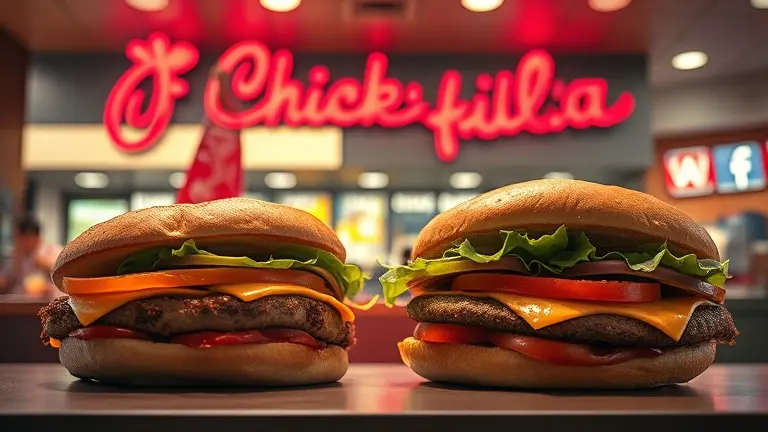
For over a decade, the fast-food industry has been anchored by a singular, unquestioned titan. However, the June 2026 American Customer Satisfaction Index (ACSI) report has officially shattered that status quo. For the first time since 2015, Chick-fil-A has been unseated, with Jersey Mike’s Subs surging to the top spot. This isn’t just a win for sandwich enthusiasts; it is a profound cultural shift that signals a weary public finally turning its back on traditional, heavy QSR models in favor of fresher, customizable alternatives.
Why is this happening now? The “dethroning” of Chick-fil-A speaks to a growing demand for transparency and ingredient quality that goes beyond simple drive-thru convenience. As we dissect the operational friction and the psychological appeal of this market shift, it becomes clear that the modern consumer is seeking a more intentional dining experience. In this report, we go beyond the headlines to explore why Jersey Mike’s has become the new benchmark for satisfaction—and what this trend reveals about the evolving state of American health and convenience.
The End of an Era: Jersey Mike’s Dethrones Chick-fil-A in the 2026 ACSI Report
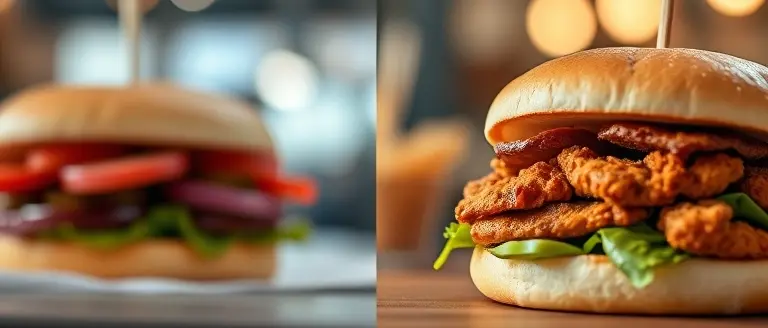
The release of the June 2026 American Customer Satisfaction Index (ACSI) report marked a watershed moment in the quick-service restaurant (QSR) industry. For the first time since 2015, Chick-fil-A—a brand synonymous with peerless service and industry-leading satisfaction—was unseated from the top position. The company that claimed the number one spot is Jersey Mike’s Subs, a move that signifies a profound evolution in what American diners now prioritize when choosing where to eat.
A Seismic Shift in Consumer Preferences
The transition of power from a chicken-centric powerhouse to a sub-shop model highlights a broader cultural shift. While Chick-fil-A maintained its status as a “mature market giant” for over a decade, the 2026 data suggests that consumers are increasingly gravitating toward concepts that emphasize freshness, transparency, and high-quality ingredients. Jersey Mike’s has successfully leveraged a “fresh-cut” marketing strategy that resonates with modern appetites, contrasting sharply with the standardized, high-volume convenience model that Chick-fil-A pioneered. Industry analysts view this not merely as a change in rankings, but as a reaction to “convenience fatigue,” where the perceived value of made-to-order assembly now outweighs the speed of a traditional drive-thru lane.
Why Jersey Mike’s Won the Crowd
The data behind this dethroning indicates that the Jersey Mike’s vs Chick-fil-A comparison is no longer just about calories or price points. It is about the “experience gap.” Several factors have contributed to this historic milestone:
- The Freshness Factor: Consumers have shown a preference for the visual assurance of sliced-to-order meats and fresh-baked bread, which aligns with modern health-perception trends.
- Operational Agility: While Chick-fil-A remains a financial juggernaut, Jersey Mike’s 60% sales growth over the past three years demonstrates that their expansion strategy is capturing high levels of consumer favor.
- Sentiment Re-alignment: Social media discourse has shifted, with younger demographics championing customization over the rigid, albeit efficient, menu offerings of traditional chicken chains.
This milestone suggests that in today’s landscape, customer satisfaction is increasingly tied to the perception of artisanal quality rather than sheer operational scale.
Quality vs. Convenience: Analyzing the Shift in Consumer Preferences
The recent American Customer Satisfaction Index (ACSI) report, which saw Jersey Mike’s vs Chick-fil-A become the central narrative of the industry, suggests a fundamental pivot in what American diners value. For over a decade, the “Chick-fil-A model”—defined by hyper-efficient drive-thrus, standardized service protocols, and a focused menu—set the industry gold standard. However, evidence suggests that consumers are increasingly experiencing “efficiency fatigue,” leading them to favor the freshness-centric approach offered by the sub-shop model.
The Power of Perceived Freshness
Jersey Mike’s competitive advantage relies heavily on the sensory experience of “fresh-slicing.” By prioritizing the sight and sound of meat sliced to order, the brand creates a high level of perceived quality that standardized chicken sandwiches struggle to replicate. This strategy taps into a growing consumer demand for transparency and ingredient integrity. While Chick-fil-A remains a financial powerhouse with high per-unit profitability, the following factors highlight why the scales are shifting:
- Customization vs. Standardized Efficiency: Consumers are increasingly moving away from “fast-food” models that prioritize throughput and toward “made-to-order” environments where they can control the assembly of their meal.
- Operational Friction: Chick-fil-A’s reliance on massive drive-thru operations can lead to long wait times and a “transactional” feel, whereas Jersey Mike’s counter-service model fosters a more tactile, personalized engagement.
- Health Perception: Fresh-cut deli meats and produce are often mentally categorized by diners as “healthier” or higher quality compared to the fried-chicken-dominant menu of a traditional QSR.
Ultimately, the shift doesn’t necessarily mean Chick-fil-A is declining in quality; rather, it indicates that the modern consumer prioritizes the experience of freshness over the raw speed of a drive-thru. As Jersey Mike’s continues its rapid expansion, the industry is forced to reckon with whether the future of QSR success lies in further streamlining operations or returning to the artisanal, front-of-house assembly that initially drove this brand to the top of the ACSI charts.
Market Dynamics: Explosive Growth vs. Mature Market Dominance

The recent shift in the American Customer Satisfaction Index (ACSI) represents a pivotal moment in the quick-service restaurant (QSR) sector, highlighting a stark contrast between Jersey Mike’s explosive growth trajectory and the mature market dominance of Chick-fil-A. While Chick-fil-A remains a financial powerhouse with per-unit sales hovering near $7.5 million, the brand is currently navigating the challenges of a saturated market. Conversely, Jersey Mike’s has leveraged a strategy of aggressive expansion and operational agility, reporting a remarkable 60% sales growth over the past three years. This disparity suggests that consumers are beginning to pivot away from traditional chicken-centric models, potentially signaling the onset of brand fatigue for the long-standing industry titan.
The Saturation of the Chicken QSR Model
Industry analysts suggest that the “dethroning” of Chick-fil-A is not necessarily a failure of its operational excellence, but rather a reflection of shifting consumer appetites. As the market becomes increasingly crowded with chicken-focused QSRs, the novelty and unique value proposition of the traditional model have begun to diminish. In contrast, Jersey Mike’s has successfully captured consumer favor by doubling down on a “fresh-cut” marketing narrative that emphasizes high-quality, customizable ingredients.
Key factors driving this divergence include:
- Perceived Quality: Consumers increasingly equate the “sub shop” experience with fresher, made-to-order ingredients compared to the standardized, high-volume production of the chicken industry.
- Brand Novelty: The rapid expansion of Jersey Mike’s has introduced the brand to new demographics, whereas Chick-fil-A operates as an entrenched fixture of the American dining landscape, leaving little room for surprise or discovery.
- Operational Friction: While Chick-fil-A is renowned for its drive-thru efficiency, the evolving consumer preference for customized, visible food preparation gives Jersey Mike’s a distinct edge in satisfaction metrics.
Ultimately, this trend indicates that growth in the current climate requires more than just profitability; it requires a brand narrative that feels fresh, transparent, and aligned with contemporary demands for ingredient quality.
The Evolution of the QSR Customer Experience
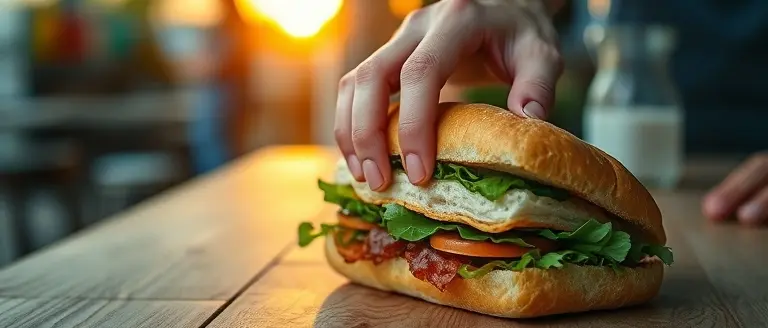
The definition of a “premium” fast-food experience has undergone a radical transformation in 2026. For years, the industry benchmark for service was dictated by the rigid, highly standardized operational model perfected by Chick-fil-A. However, recent data from the American Customer Satisfaction Index (ACSI) suggests that consumers are migrating away from mere operational speed toward a desire for perceived quality and radical transparency. This shift highlights the growing rivalry in the Jersey Mike’s vs Chick-fil-A discourse, where the former has successfully capitalized on the “fresh-cut” movement to capture the top spot in customer satisfaction.
Customization as a Competitive Advantage
Modern diners increasingly view customization as a baseline requirement rather than a luxury. While Chick-fil-A relies on a narrow, high-efficiency menu that prioritizes consistency, Jersey Mike’s has leveraged its “sub-above” philosophy to provide a personalized assembly process. This level of interaction allows customers to dictate ingredient portions and freshness, which inherently boosts their subjective sense of value.
Key drivers of this experiential shift include:
- Ingredient Transparency: Consumers are placing higher premiums on fresh-sliced meats and cheeses, an area where Jersey Mike’s marketing efficacy has outpaced traditional QSR competitors.
- Operational Flexibility: While Chick-fil-A’s drive-thru model is a masterclass in throughput, it offers little room for the personalized, “made-to-order” experience that now correlates with higher satisfaction scores.
- The Fatigue Factor: Evidence suggests a growing “standardization fatigue,” where the predictability of the Chick-fil-A experience is being replaced by a preference for the artisanal, counter-service engagement found at Jersey Mike’s.
As market expectations continue to evolve, the ability to balance speed with a “premium” perception will remain the defining hurdle for fast-food titans. The data indicates that for the contemporary consumer, the highest satisfaction is no longer found in the fastest line, but in the most transparent and customizable meal preparation.
Redefining Your Relationship with Fast Casual
The dethroning of Chick-fil-A by Jersey Mike’s in the 2026 ACSI report is more than a mere corporate headline; it is a clear signal that the American palate is evolving. Consumers are moving away from the convenience-at-all-costs model toward brands that emphasize transparency, fresh slicing, and perceived health value. While shifting your lunch choice toward fresher sub sandwiches is a significant step in the right direction, your long-term wellness strategy requires more than just better deli meat—it requires an optimized metabolism.
As you navigate this new landscape of fast-casual dining, your body deserves a partner that works as hard as your refined tastes do. This is where CitrusBurn becomes an essential part of your daily routine. By reactivating your body’s natural fat-burning processes and restoring consistent, all-day energy levels, CitrusBurn bridges the gap between your food quality choices and your metabolic health. It is the perfect complement for a modern, conscious lifestyle that refuses to compromise between convenience and internal vitality.
It is time to ensure your internal engine is firing on all cylinders, matching the quality of the food you put into it.  Ready to optimize your metabolism to match your new, healthier dining choices? Click here to see how CitrusBurn can help you feel your best every day. Transform My Life Today