
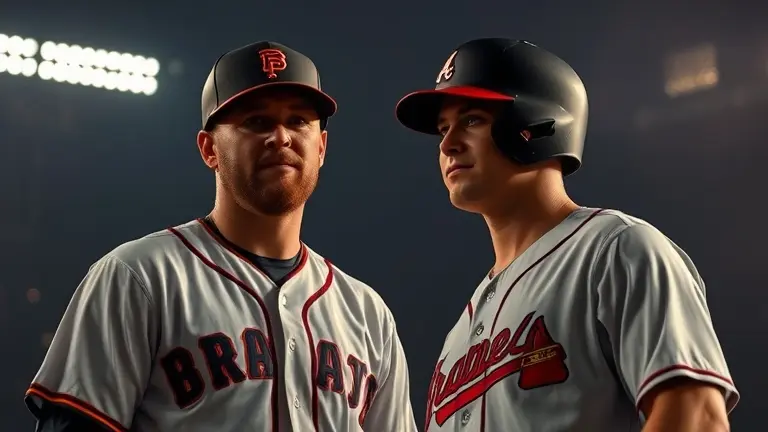
The mid-season showdown between the San Francisco Giants and the Atlanta Braves is more than just another entry on the MLB schedule; it is a collision of two diverging destinies. While the Braves sit firmly in the driver’s seat as NL East leaders with a commanding 46-25 record, the Giants find themselves in the eye of a storm, struggling at 29-43 and staring down the barrel of a pivotal trade deadline. As the regional forecast calls for severe thunderstorms at Truist Park, the atmospheric tension mirrors the uncertainty surrounding the Giants’ roster. Are we witnessing the final stand of a veteran core, or the early stages of a complete organizational teardown?
For fans and analysts alike, this series acts as a high-stakes pivot point. The ‘Sellers vs. Buyers’ narrative is in full effect, with the Braves looking to fortify their championship path while the Giants prepare to evaluate which assets remain viable for a long-term rebuild. This series isn’t just about the box score—it is about identifying the structural integrity of a team. Whether managing a professional baseball roster or tackling a complex project in your own garage, success begins with a clear, reliable blueprint. Let’s dive into why this matchup is the ultimate test of strategy and what it takes to pivot when the original plan fails.
Giants vs. Braves: A Tale of Two Seasons in Atlanta
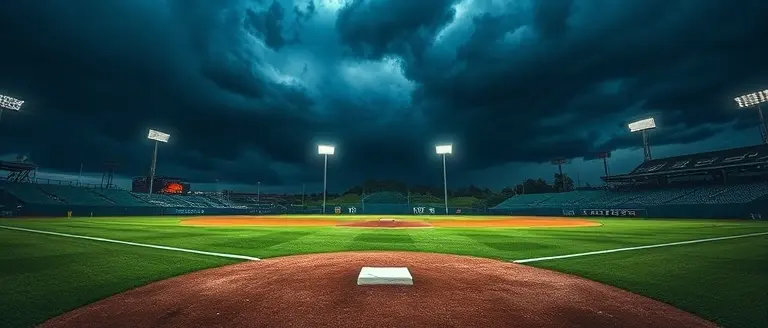
The June 16, 2026, series opener at Truist Park highlights a stark disparity in the National League, as the Atlanta Braves host the San Francisco Giants under vastly different circumstances. The Braves enter the matchup as one of the league’s premier teams, boasting a stellar 46-25 record that cements their position as leaders in the NL East. In contrast, the Giants arrive in Atlanta struggling to find their rhythm, carrying a difficult 29-43 record that has left them languishing in fourth place in the NL West. This series acts as a critical pivot point, with Atlanta looking to fortify their championship-caliber standing while the Giants face growing pressure to reconcile their postseason ambitions with a mounting loss column.
Weather Concerns and Strategic Implications
Beyond the on-field performance, the atmosphere at Truist Park is clouded by significant meteorological uncertainty. Forecasters have issued warnings for severe thunderstorms, which could lead to delays or potential postponements for the opening night of the Giants vs. Braves series. MLB grounds crews and team management are closely monitoring the weather patterns, as sudden shifts in playing conditions—and potential doubleheaders—can significantly impact pitching rotations and bullpen management.
Key factors to monitor during this series include:
- Pitching Mismatch: The spotlight is on the duel between Adrian Houser and Grant Holmes, as both arms look to navigate not only opposing lineups but potentially volatile game-day environments.
- Home-Field Advantage: The Braves maintain an impressive 22-11 home record, creating a formidable hurdle for a Giants squad that has struggled on the road all season.
- Trade Deadline Positioning: As the Giants weigh their future, this series serves as a litmus test for their front office; ongoing Giants trade rumors suggest that further losses against top-tier opponents like Atlanta could solidify their status as definitive ‘sellers’ ahead of the deadline.
For fans and bettors alike, the combination of unstable weather and the fundamental performance gap between these two franchises makes this series one of the most intriguing mid-season narratives to track in the National League.
MLB Betting Trends and Odds: Analyzing the Disparity

The betting market for the giants vs braves series reflects the stark divergence in team trajectories this season. As the Atlanta Braves maintain a dominant 46-25 record and command the NL East, oddsmakers have positioned them as significant favorites. This disparity is driven by the Braves’ impressive 22-11 home record and a superior run differential that highlights their efficiency on both sides of the ball. Conversely, the San Francisco Giants, currently laboring at 29-43, are facing heavy scrutiny. With the team signaling a transition toward becoming “sellers” before the trade deadline, public confidence—and consequently, betting sentiment—has shifted heavily in favor of the hosts.
Factors Influencing Line Movement
When analyzing MLB betting trends for this matchup, bettors must look beyond simple win-loss records. Several critical variables are currently causing fluctuations in the lines:
- Pitching Matchup Disparity: The clash between Adrian Houser and Grant Holmes serves as a focal point for handicappers. Discrepancies in WHIP and strikeout-to-walk ratios are heavily scrutinized, often dictating the opening run lines.
- Weather Volatility: Severe thunderstorm forecasts at Truist Park are a major disruptor. Weather-related delays often force teams to rely on deeper bullpen usage, which can significantly alter the total runs line as the game approaches first pitch.
- Trade Deadline Speculation: The “sellers” narrative surrounding the Giants creates an unpredictable environment. News regarding potential roster moves or the resting of key trade candidates can trigger rapid adjustments in betting odds.
To maximize value, bettors should monitor lineup announcements closely. If the Giants opt to prioritize scouting young prospects over veteran starters, the value on the Braves’ run line may increase. Always correlate your strategy with real-time weather reports; in games where heavy precipitation is expected, the “Under” often becomes a more attractive proposition as pitching depth takes precedence over offensive rhythm.
The Trade Deadline Pivot: Are the Giants Officially Sellers?

As the San Francisco Giants enter this series against the Atlanta Braves with a daunting 29-43 record, the narrative surrounding the franchise has shifted from playoff aspirations to a looming roster reconstruction. This giants vs braves matchup serves as a high-stakes litmus test for the San Francisco front office. Facing a championship-caliber team that boasts a formidable 46-25 record, the Giants are effectively staring at the reality of their 2026 trajectory. With the trade deadline fast approaching, evidence suggests that the organization is moving closer to an official “seller” status, aimed at recouping assets to bolster their farm system rather than chasing a dwindling postseason dream.
Potential Trade Chips and Front Office Strategy
For the Giants, this road trip is more than just a schedule requirement; it is a critical audition for veteran players who may be on the move. As the giants – braves series unfolds, scouts from across the league will undoubtedly be monitoring San Francisco’s roster for potential acquisitions. Key areas of concern for contending teams that the Giants might address include:
- Expiring Contracts: Veteran pitchers and utility players on one-year deals are the most likely targets for contenders looking to add depth without long-term financial commitments.
- Bullpen Reliability: With trade rumors swirling, several high-leverage arms in the San Francisco bullpen could become premium trade chips for teams currently fighting for division leads.
- Financial Flexibility: By offloading larger salaries, the Giants can prioritize salary cap relief, allowing them to pivot toward a younger, more cost-controlled core for the 2027 season.
The contrast between the two teams is stark. While the Braves remain focused on home-field advantage in the NL East, the Giants are forced to weigh the cost of maintaining their current roster against the potential return of top-tier prospects. If the series results in a lopsided outcome, it may provide the final justification the San Francisco front office needs to initiate a systematic fire sale, signaling the start of a new chapter for the franchise.
Game-Day Guide: What to Watch as Weather Looms
As the San Francisco Giants roll into Atlanta to face the powerhouse Braves, fans should prepare for more than just a typical giants vs braves showdown. With severe thunderstorms in the forecast for Truist Park, the game-day experience may be dictated by shifting weather patterns. Monitoring the official MLB weather alerts and team social media channels is essential, as the potential for rain delays could significantly impact managerial decisions. When games face precipitation threats, bullpens are often taxed early; expect both teams to keep warm-up activity high, as starters Adrian Houser and Grant Holmes may face shortened outings if a prolonged delay forces a premature exit from the mound.
Weather Impacts and Broadcast Information
Navigating a rain-shortened or delayed game requires attention to specific MLB protocols. If the game begins during a weather window, the Braves’ superior pitching depth may offer an advantage, as they can comfortably lean on their relief corps if the rotation is disrupted. Conversely, the Giants, currently sitting at 29-43, must manage their limited roster carefully to avoid exhausting their bullpen during a series where they are already viewed as trade-deadline “sellers.” To keep up with the action and weather status, ensure you are tracking:
- Official MLB Updates: Follow the team’s official Twitter/X accounts for real-time announcements regarding potential start time shifts.
- Broadcast Availability: The series is available through local regional sports networks and standard MLB streaming platforms.
- Bullpen Usage: Keep an eye on “long-relief” pitchers, as they become the most valuable assets when inclement weather puts the starting rotation at risk.
For those tracking MLB betting trends, the volatile weather in Atlanta adds a layer of uncertainty. High humidity and wind shifts at Truist Park can influence ball flight, often leading to aggressive line adjustments. Whether you are watching for the tactical battle between the front-office strategies or the specific pitching matchups, stay prepared for a disjointed game flow that tests the bench depth of both organizations.
The Blueprint for a Winning Rebuild
As the Giants face off against the Braves, the stark reality of their season serves as a masterclass in the necessity of a sound organizational plan. Whether you are a front office executive evaluating trade deadline assets or a weekend hobbyist staring at a stack of raw timber, the outcome is inevitably dictated by the quality of your initial blueprint. Success in both arenas is never an accident; it is the result of strategic preparation and the avoidance of costly, trial-and-error mistakes.
Just as the San Francisco front office must now carefully audit their roster to determine which pieces fit the future and which must be moved, your home workshop requires the same level of tactical precision. You don’t have to guess at your next construction project or hope for a miracle turnaround. By utilizing a proven system, you eliminate the uncertainty that leads to wasted materials and stalled momentum.
Ted’s Woodworking provides the ultimate professional-grade roadmap for your home construction goals, offering the clarity and structure you need to build with absolute confidence. Stop settling for subpar results and start working with the master plans that turn ambitious visions into solid, tangible achievements. It is time to treat your hobby with the same professional rigor as a championship-contending MLB franchise.
 Build your next project with the same precision the Giants need for their roster: Click here to access 16,000 professional-grade workshop plans.Yes, I Want to Build with Precision!