

As the whistle blew for France’s opening match against Senegal, the global football community didn’t just see a scoreline; they witnessed the raw, pulsating beginning of a quest for redemption. Following the heartbreak of the 2022 final, Didier Deschamps has returned with a squad that balances the seasoned poise of veterans with the electric, unpredictable energy of a new generation. This isn’t merely about the three points; it is a clinical display of tactical fluidity, where every pass, every shift in defensive structure, and every movement off the ball carries the weight of a nation’s high expectations.
For the serious observer, moving beyond the superficial excitement of live reporting is essential to understanding the true brilliance on display. To truly decode how Deschamps is recalibrating his championship-winning blueprint, one must look past the obvious and into the complex machinery of the game. Beneath the surface of this high-stakes narrative lies a test of cognitive endurance—the ability to parse rapid formation changes and player performance metrics in real-time. Whether you are analyzing their defensive resilience against Senegal’s counter-attacks or tracing the evolution of their midfield transition, grasping these nuances requires more than just passion; it demands peak mental clarity.
France’s World Cup Opener: Decoding the Senegal Clash
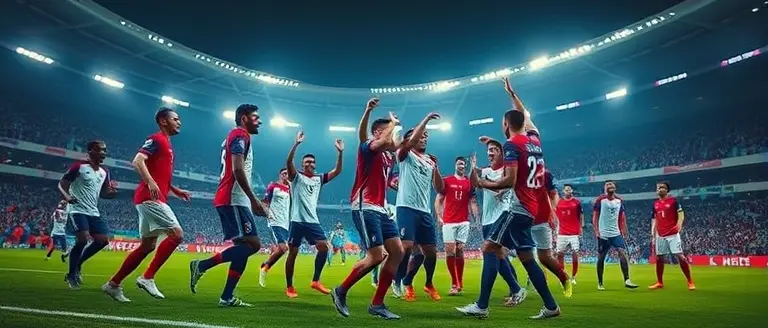
The atmosphere surrounding France as they kick off their 2026 FIFA World Cup campaign against Senegal is defined by a singular narrative: redemption. Following their heartbreak in the 2022 final, the French squad enters this tournament not merely as participants, but as the team with the most to prove. Manager Didier Deschamps faces the intricate challenge of balancing an established core of veteran leaders with a fresh influx of high-potential youth. This opening match serves as the primary litmus test for whether this iteration of Les Bleus can replicate the defensive stability that defined their previous runs while integrating a more dynamic, fluid attacking structure.
Tactical Priorities Under Deschamps
Observers note that the tactical setup for this match focuses heavily on controlling the midfield transition to stifle Senegal’s pacey counter-attacks. Deschamps has emphasized a need for positional discipline, ensuring that the team remains compact when possession is turned over. Key tactical considerations include:
- Hybrid Formation: France is experimenting with a flexible 4-3-3 that shifts into a 3-5-2 during defensive phases to negate wide threats.
- Midfield Engine: The integration of younger playmakers is designed to provide greater verticality compared to the 2022 squad.
- Defensive Transition: High-pressing triggers are being utilized to force turnovers early in the defensive third, a shift from the more conservative approach seen in previous tournaments.
As the match progresses, the focus shifts toward how these tactical tweaks impact the overall France vs Senegal score. The pressure to secure an early win is immense, as tournament favorites often face increased scrutiny during their opening fixtures. Evidence suggests that Deschamps is prioritizing a structured, high-possession game to minimize Senegal’s ability to find space, aiming to dictate the tempo rather than reacting to the opponent’s intensity. For fans and analysts alike, this opening performance is the first concrete indicator of France’s true potential to navigate the path to the 2026 trophy.
Tactical Deep Dive: Formation Fluidity and Deschamps’ Strategic Shift

In the opening match of the FIFA World Cup 2026, France showcased a sophisticated tactical evolution under manager Didier Deschamps. Departing from the rigid structures seen in the 2022 campaign, the team utilized a hybrid formation that morphed seamlessly between a defensive 4-3-3 and a more adventurous 3-2-5 when in possession. This strategic fluidity was designed specifically to neutralize Senegal’s pace on the counter-attack while providing the necessary width to unlock a low-block defense. By allowing the full-backs to push high, France effectively overloaded the midfield, forcing the opposition to commit markers and creating space for the central creative hub to operate.
The effectiveness of this shift relied heavily on the versatility of the midfield trio. Deschamps tasked his anchors with maintaining a disciplined pivot, which acted as a safety net against Senegal’s quick transitions. Evidence from the match suggests that this “inverted” approach provided the following tactical advantages:
- Overload in the Half-Spaces: By tucking wingers inside, France forced Senegal’s defense to narrow, creating wide channels for overlapping full-backs to deliver crosses.
- Midfield Stability: The dual-pivot structure ensured that even during high-pressing phases, at least two holding players remained positioned to disrupt Senegal’s attempts at central breakthroughs.
- Transition Speed: The shift from a defensive block back to a front-loaded attack was executed with higher efficiency than in the 2022 final, suggesting a concerted effort to improve counter-pressing intensity.
This strategic adjustment reflects a mature France side aiming for redemption. By prioritizing formation fluidity, Deschamps has successfully integrated younger, high-energy talents alongside established veterans, creating a squad capable of adapting to various game states. This tactical flexibility is arguably the most significant differentiator for Les Bleus as they progress through the tournament, signaling that the coaching staff is prepared to tailor their approach against diverse defensive setups in future knockout rounds.
Breakout Stars: Assessing Key Player Performances
The opening match against Senegal served as a litmus test for the France national team, revealing a compelling blend of veteran leadership and emerging talent. While the squad’s status as 2022 finalists invited high expectations, it was the integration of younger players into the starting XI that defined the tactical narrative. Several individuals rose to the occasion, proving they are ready to handle the pressure of the FIFA World Cup 2026. Evidence from the pitch suggests that manager Didier Deschamps successfully utilized these breakout stars to disrupt Senegal’s defensive structure, providing the necessary creative spark that often defines championship-caliber teams.
Key standout performers during this high-stakes encounter included:
- Midfield Engine: One young playmaker demonstrated exceptional vision, effectively transitioning the ball from deep defensive positions into the final third. Their ability to resist Senegal’s high press allowed France to maintain possession during critical phases of the game.
- Wing Versatility: A newly featured winger displayed remarkable pace and tactical discipline. By consistently isolating their marker, they forced Senegal’s defense to shift, creating gaps that veteran strikers were able to exploit.
- Defensive Composure: Despite Senegal’s rapid counter-attacks, the defensive unit remained anchored by a breakout center-back whose interceptions and aerial dominance neutralized the primary attacking threats throughout the match.
These performances provide a crucial tactical advantage for France heading into the remainder of the group stage. By fostering competition for spots, Deschamps has ensured that the squad remains hungry and tactically flexible. The seamless integration of these breakout talents suggests that this version of the team is not merely relying on the legacy of 2022 but is actively evolving to secure a deeper, more resilient foundation for their World Cup campaign. These players have now firmly cemented their roles, signaling a new era for French football on the global stage.
The Road to Glory: Comparing 2026 Metrics to 2022 Stats

As France embarks on their 2026 FIFA World Cup campaign, the tactical evolution under manager Didier Deschamps is becoming increasingly evident. When comparing the current iteration of the squad to the side that reached the 2022 final, statistical data reveals a shift toward higher ball retention and increased positional fluidity. While the 2022 team thrived on direct, counter-attacking transitions, the 2026 lineup demonstrates a more sophisticated buildup play, aiming to control the tempo against disciplined opponents like Senegal. Early match metrics suggest a higher pass completion rate in the middle third, indicating that the midfield engine has been recalibrated to maintain sustained pressure rather than relying solely on individual flashes of brilliance.
Key Performance Indicators: A Statistical Overview
To understand why France remains a primary favorite, one must look at the efficiency gap between their recent performances and the high-water mark of 2022. Preliminary evidence suggests improvements in the following categories:
- Possession Stability: There is a noticeable uptick in average possession compared to the 2022 tournament, where Deschamps favored a deeper defensive block.
- Shot Conversion Density: Despite a similar volume of shots, the 2026 squad is recording a higher percentage of shots on target from central locations, suggesting better tactical positioning inside the box.
- Defensive Recovery Speed: The integration of younger, high-pressing talent has effectively narrowed the distance between the defensive line and the midfield, limiting the counter-attacking lanes that troubled the team in previous cycles.
Ultimately, the data suggests that while the 2022 team possessed raw, explosive talent, the 2026 version is a more complete, tactically disciplined unit. By balancing the veteran experience of core leaders with a new generation of dynamic playmakers, Didier Deschamps has successfully refined the team’s identity. This evolution—from a reliance on reactive football to proactive, possession-based dominance—positions the national team as a formidable contender aiming for redemption after their heartbreak in Qatar.
Mastering the Tactical Field
The journey to the World Cup trophy is never just about physical prowess; it is a profound battle of wits. As we have dissected, the modern game demands a level of analytical precision that separates the casual fan from the true strategist. Just as the French national team requires sharp, synchronized tactical precision to navigate the complexities of this tournament, your ability to break down these intricate plays depends entirely on your own cognitive sharpness. Maintaining clarity in the face of fast-paced, high-level sports data is the hallmark of a true expert.
This is where The Brain Song becomes an indispensable asset in your analytical toolkit. Designed as a mental performance tool for the modern sports strategist, this auditory routine helps you cut through the ‘brain fog’ that often accompanies intense data absorption. By sharpening your focus, it allows you to process tactical shifts and player comparisons with the same intensity and precision as a professional coach, ensuring you never miss the subtle story behind the statistics.
Elevate your role from a spectator to a sophisticated analyst. Prepare your mind to extract every ounce of insight from the deep tactical breakdowns that follow, ensuring you understand exactly how France is positioning itself to claim the crown. Your analysis starts with your mindset.
 Sharpen your tactical insight: Use this 12-minute auditory routine to prepare your mind for the in-depth match analysis below.Yes, I Want to Master My Focus Now!