
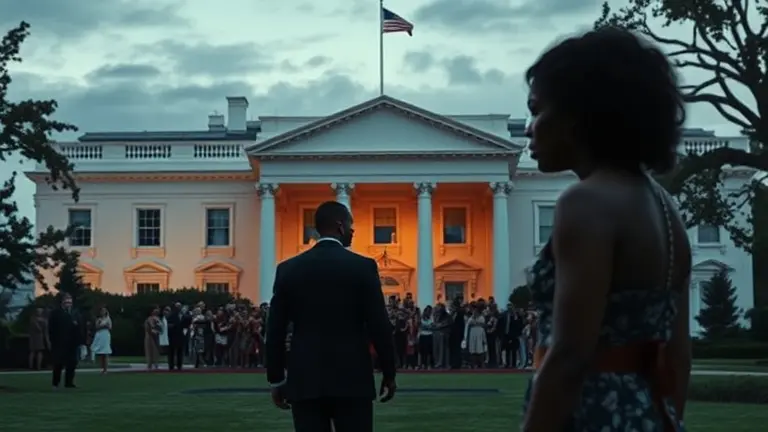
The nation’s 250th anniversary celebrations took an unexpected and polarizing turn on the White House lawn during the UFC Freedom 250 event. As the sports world converged with the gravity of state-sanctioned pageantry, an inflammatory outburst by fighter Josh Hokit transformed a night of athletic competition into a heated focal point for America’s ongoing cultural divide. Following his victory, Hokit directed a disparaging and factually baseless remark toward former First Lady Michelle Obama, triggering an immediate wave of national backlash that transcended the boundaries of the octagon.
While fans and critics alike are now grappling with what was said about Michelle Obama last night, the incident has reignited intense debate regarding the professional responsibilities of athletes on international stages. With UFC leadership, including Dana White, swiftly condemning the remarks as a disgrace, the focus has shifted toward the intersection of political signaling in sports and the broader media cycle. As this controversy continues to fuel aggressive headlines and public discourse, it is vital to examine the implications of such rhetoric within the high-stakes environment of elite sports.
Controversy Erupts at UFC Freedom 250: The White House Incident
The nation’s 250th anniversary celebrations took an unexpected and polarizing turn on the evening of June 14, 2026, when the “UFC Freedom 250” event, hosted on the White House lawn, descended into controversy. While the event was intended to serve as a cornerstone of the historic festivities, the night was overshadowed by the actions of professional fighter Josh Hokit. During a post-match victory interview, Hokit made disparaging and offensive remarks when he explicitly stated, “Michelle Obama is a man!” These comments immediately shifted the focus from the athletic exhibition to a firestorm of national outrage, leaving many to wonder what was said about Michelle Obama and why such rhetoric would be platformed at a state-sanctioned venue.
The fallout was instantaneous, as media outlets and public figures scrambled to address the incident. Search queries spiked across the country, with users asking what was said about Michelle Obama yesterday and what was said about Michelle Obama last night as the clip went viral on platforms like X and Facebook. The setting of the event—the White House lawn—added a layer of institutional complexity, with critics arguing that the fusion of high-stakes combat sports and official presidential pageantry created an environment that emboldened inappropriate conduct.
Public and Professional Backlash
The condemnation of the Josh Hokit Michelle Obama incident was swift and widespread across the sporting and political landscape:
- Official Condemnation: UFC CEO Dana White labeled the fighter’s comments as “nasty” and “unnecessary,” publicly distancing the organization from the sentiment expressed by Hokit.
- Media Scrutiny: Major publications, including the Washington Post and Variety, highlighted the incident as a “disgrace” and “unprofessional,” sparking a broader debate about the decorum expected at state-hosted events.
- Cultural Fallout: The incident has intensified the ongoing discourse regarding the intersection of professional sports and the current culture wars, with many observers questioning the future of similar high-profile events on federal property.
As the UFC management continues to navigate the intense public pressure, the focus remains on whether any formal disciplinary actions will be taken against Hokit. The incident serves as a significant case study on the consequences of political signaling during events meant to represent national unity.
Public and Industry Backlash Against Josh Hokit
The immediate aftermath of the “UFC Freedom 250” event has been defined by a swift and decisive wave of condemnation from both the sports industry and the general public. Following the remarks made by Josh Hokit regarding Michelle Obama, stakeholders have scrambled to distance the UFC brand from the fighter’s behavior. The inquiry into what was said about Michelle Obama has dominated social media discourse, with widespread agreement that the comments were not only factually unfounded but deeply unprofessional.
Official Responses and Professional Standards
UFC CEO Dana White was quick to address the controversy, labeling the athlete’s conduct as “nasty” and “unnecessary.” By publicly reprimanding the fighter, leadership aimed to protect the integrity of the organization, particularly given the prestigious and historic setting of the White House lawn. Industry analysts note that when asking what was said about Michelle Obama last night, the primary focus remains on the violation of decorum expected during high-profile, state-sanctioned events. Key points of the fallout include:
- Professional Consequences: The Josh Hokit Michelle Obama incident has triggered intense internal reviews within the UFC regarding conduct clauses for fighters performing at official state events.
- Industry Condemnation: Media outlets ranging from The Hill to Variety have documented a broad consensus among sports commentators that such rhetoric is a “disgrace” to the sport of mixed martial arts.
- Cultural Impact: Public sentiment, as reflected on platforms like X and Facebook, suggests that the intersection of sports and politics has reached a critical boiling point, with many calling for stricter vetting processes for athletes appearing at federal venues.
Ultimately, the backlash highlights a growing concern over how professional athletes represent their leagues when positioned on the national stage. The incident serves as a case study for the risks inherent in blending high-stakes competition with politically charged environments, leaving the industry to grapple with the long-term reputational damage caused by Hokit’s actions.
The Intersection of Presidential Pageantry and Sports Entertainment
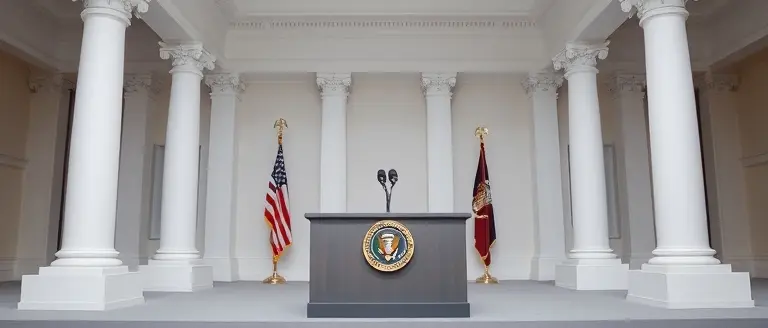
The decision to host the UFC Freedom 250 event on the White House lawn sparked immediate and intense debate, raising critical questions about the decorum expected at government-sanctioned events. As the nation marked its 250th anniversary, the fusion of high-stakes combat sports with the traditional prestige of the Executive Mansion created a unique, albeit volatile, platform. Critics argue that blending presidential pageantry with the aggressive, often unrestrained nature of mixed martial arts creates an environment where professional standards are easily eclipsed by performative outrage. This intersection of politics and entertainment provided the backdrop for the controversy surrounding Josh Hokit, whose comments regarding Michelle Obama transformed a celebratory milestone into a lightning rod for cultural division.
The controversy prompted widespread inquiry into what was said about Michelle Obama during the broadcast and how such inflammatory rhetoric could occur on federal property. The event’s structure—intended to symbolize American strength and unity—was undermined by the lack of traditional broadcast safeguards, leading many to question the vetting processes for athletes speaking in such proximity to the highest office in the land.
Key Factors in the Cultural Debate:
- Blurred Boundaries: The integration of combat sports into official state events challenges the traditional separation between institutional neutrality and private industry entertainment.
- Professional Conduct: The josh hokit michelle obama incident serves as a case study for the risks involved when sports organizations prioritize spectacle over professional conduct.
- Public and Institutional Response: The fallout, with figures like Dana White labeling the remarks a “disgrace,” highlights the tension between free speech and the decorum expected at state-hosted venues.
Ultimately, the backlash illustrates that while sports entertainment continues to dominate mainstream media, placing it within the hallowed grounds of the White House necessitates a higher degree of accountability. The event has reignited conversations regarding whether state-sponsored sporting exhibitions are compatible with the gravity of the presidency, or if they inevitably invite the type of volatility that keeps social media and news outlets asking what was said about Michelle Obama last night and why the setting failed to prevent such unprofessional behavior.
Monitoring Potential Disciplinary Actions and Future Repercussions
The aftermath of UFC Freedom 250 has left the sporting world in a state of flux as stakeholders await formal announcements regarding the professional fate of Josh Hokit. Following the disparaging remarks made about Michelle Obama, public pressure has mounted significantly, prompting widespread calls for accountability. While UFC CEO Dana White has been quick to condemn the comments as “nasty” and “unprofessional,” the organization has yet to issue a definitive statement regarding specific disciplinary measures or suspension protocols. Observers are closely monitoring official channels to see if the promotion will impose fines, training mandates, or long-term career repercussions for the athlete.
The incident has ignited a broader debate regarding the intersection of professional sports and state-hosted political events. As organizations and governments navigate the fallout, several key considerations remain at the forefront of the media cycle:
- Corporate Policy Alignment: The UFC must evaluate whether Hokit’s conduct violated contractual morality clauses or league codes of conduct specifically established for high-profile, state-sponsored exhibitions.
- Future Event Governance: The controversy has prompted organizers to reconsider the vetting process for public-facing athletes participating in national anniversary celebrations.
- Media and Public Accountability: The virality of the question, “what was said about Michelle Obama,” highlights the role of social media in demanding immediate corporate consequences for inflammatory rhetoric.
Evidence suggests that this incident may permanently alter how sports leagues approach appearances at federal venues. By blending entertainment with sensitive political environments, the potential for reputational damage has never been higher. As the industry waits for the UFC to clarify its stance, the case of Josh Hokit serves as a cautionary tale regarding the risks of unchecked political commentary in the arena. Continued vigilance is required as the story develops, particularly concerning any formal disciplinary filings that may emerge in the coming days.
Navigating the Noise: Finding Clarity in a Polarized Era
The fallout from the UFC Freedom 250 event serves as a stark reminder of how rapidly public discourse can descend into inflammatory noise. As we analyze the implications of Josh Hokit’s actions, it becomes clear that the modern media landscape is designed to trigger emotional volatility and cognitive exhaustion. Processing these complex cultural shifts requires more than just passive consumption; it demands a focused, sharpened mind capable of distinguishing between meaningful critique and disruptive agitation.
While our current media landscape remains filled with aggressive headlines that cloud our judgment, maintaining sharp cognitive clarity is more essential than ever for processing complex events like these. When you find yourself overwhelmed by the unrelenting news cycle, The Brain Song offers a sophisticated, non-invasive method to reset your mental equilibrium. By utilizing neuroscience-based auditory stimulation, this tool acts as a cognitive shield, effectively clearing mental fog and allowing you to remain centered, sharp, and focused regardless of the external chaos.
Taking control of your cognitive environment is the ultimate act of self-preservation in an age of information overload. By integrating this routine, you empower yourself to navigate polarizing news cycles with emotional stability and intellectual rigor. Reclaim your focus from the noise and transform how you process the world around you starting today.
 Reclaim your focus from the noise: try the 12-minute daily routine to clear the mental fog today.Yes, I Want This Now!