
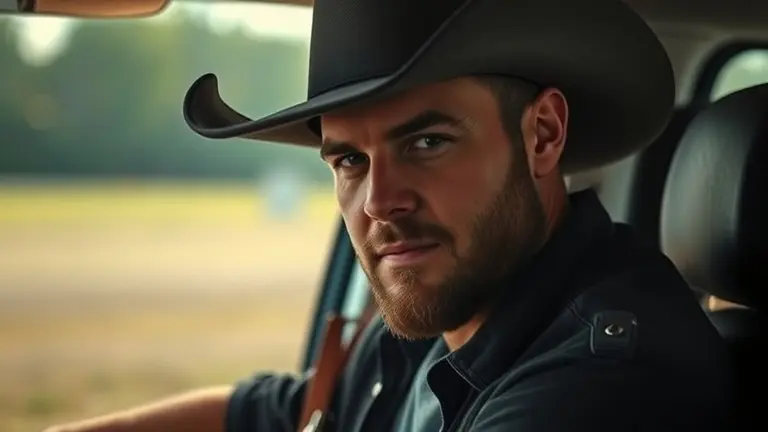
The country music world is reeling this week following the shocking news that acclaimed singer Tyler Farr has been hospitalized after sustaining a severe concussion in a motor vehicle accident on his farm. The incident, which forced the immediate cancellation of his highly anticipated performance at the Goshen Stampede in Connecticut on June 13, 2026, has left fans and industry insiders deeply concerned. While updates on his condition remain the primary focus of searchers and entertainment outlets alike, the accident has ignited a broader conversation regarding the physical vulnerabilities of artists who embrace the rugged ‘country lifestyle’ both on and off the stage.
As Tyler Farr navigates his recovery, the incident brings to light the critical intersection of physical safety and professional performance demands. This harrowing event highlights a reality that many touring stars face: the thin line between an active, rural lifestyle and the physical toll it can exact on their most vital asset—the brain. By examining the necessity of cognitive care in the wake of such a severe injury, we can better understand how high-performance individuals are adapting their wellness routines to ensure lasting resilience in an unpredictable world.
Tyler Farr Hospitalized After Farm Accident: Current Status Update

Country music star Tyler Farr is currently recovering following a distressing motor vehicle accident on his private farm, an incident that has sent shockwaves through the Nashville community. On June 13, 2026, news broke that the “Redneck Crazy” singer had been rushed to a medical facility after the accident, resulting in a diagnosis of a severe concussion. Due to the gravity of the injury and the immediate need for medical observation, Farr’s management team was forced to issue an urgent cancellation for his headlining performance at the Goshen Stampede in Connecticut. While the physical toll of the accident is significant, representatives have prioritized his health, emphasizing that recovery remains the singer’s primary focus as he undergoes treatment.
Management Response and Event Impact
The abrupt cancellation of the Goshen Stampede appearance was handled with transparency, as festival organizers expressed full support for the artist’s well-being. According to official statements, the accident occurred within the confines of his property, underscoring the inherent risks associated with the active, outdoors-oriented lifestyle often led by country music icons. The following points summarize the current situation regarding his touring schedule and health:
- Injury Status: Medical professionals have confirmed a severe concussion, requiring a strict period of physical and cognitive rest.
- Touring Logistics: The scheduled June 13 performance was canceled immediately upon notification of the incident, with event organizers working to manage fan expectations and logistical transitions.
- Future Updates: Management has requested privacy for the family as he follows recovery protocols, with promises of further information regarding future tour dates once he is medically cleared.
The outpouring of support from fans and fellow industry peers has been swift and widespread. Social media platforms remain flooded with “prayers” and well-wishes for the singer. This incident serves as a stark reminder of the unpredictable nature of the “country lifestyle” that many artists embrace outside of the spotlight. Given Tyler Farr’s well-documented history of resilience—including overcoming previous vocal surgeries—the country music community remains optimistic about his full recovery and eventual return to the stage.
The Physical Toll: Understanding Severe Concussions in Performing Artists

A severe concussion, such as the one recently sustained by Tyler Farr during an accident on his farm, presents significant medical challenges that extend far beyond initial emergency care. For a performing artist, the brain requires absolute cognitive and physical rest to stabilize neurological functions. When a head injury of this magnitude occurs, the body’s ability to regulate sensory input—including loud music, bright stage lights, and intense physical exertion—is severely compromised. Medical professionals emphasize that returning to the stage too early can exacerbate symptoms, leading to prolonged recovery times or permanent setbacks in cognitive health.
Impact on Vocal and Stage Endurance
The intersection of a head injury and a professional touring schedule is fraught with risk. Performing live requires high levels of stamina, balance, and vocal precision, all of which are disrupted by post-concussion syndrome. Key concerns for artists like Tyler Farr during this recovery phase include:
- Sensory Processing Issues: The high-decibel environment of a country music concert can trigger severe migraines, dizziness, and nausea in concussion patients.
- Cognitive Load: Memorizing lyrics, managing stage presence, and engaging with a crowd require rapid cognitive processing that is often impaired by brain trauma.
- Vocal Strain: Proper vocal performance relies on core stability and posture; neurological impairment can impact the physical mechanics of breathing and projection.
- Balance and Coordination: Navigating a stage set with complex lighting and equipment poses a fall risk if the artist is experiencing vestibular dysfunction.
Recovery from a severe concussion is rarely linear. It necessitates a gradual return to activity, often starting with limited light exposure and minimal physical exertion. For artists who maintain active, hands-on lifestyles, the transition from the farm to the touring circuit requires a cautious, medically-monitored approach to ensure long-term health and the preservation of their vocal instrument.
Balancing the Country Lifestyle with Professional Tour Demands

The recent accident involving Tyler Farr serves as a stark reminder of the unique risks faced by country music stars who maintain active, hands-on agricultural lifestyles. While many artists in the genre pride themselves on their authentic connection to the land—often managing working farms, operating heavy machinery, or engaging in rugged outdoor pursuits—these activities introduce significant physical variables that contrast sharply with the rigorous, high-octane demands of a national touring schedule. For a performer like Farr, whose career relies on both physical stamina and vocal integrity, the line between personal passion and professional liability is often blurred.
The Hidden Risks of Off-Stage Labor
When an artist steps off the tour bus and onto the tractor, they move from a controlled professional environment into one where unpredictable hazards are common. Maintaining a farm is an intensive, manual-labor-heavy endeavor that leaves little room for recovery between concert dates. The physical toll of the country lifestyle often includes:
- Cumulative Fatigue: Exhaustion from travel and performance can impair judgment and reaction times during strenuous farm work.
- High-Impact Risks: Operating agricultural machinery or managing livestock inherently carries risks of injury that can derail professional commitments instantly.
- Recovery Constraints: Unlike a standard profession, an artist’s physical well-being is the engine of their business; a severe concussion or orthopedic injury doesn’t just necessitate a vacation—it forces the cancellation of high-profile tours and massive logistical losses.
Ultimately, balancing the pastoral life with the spotlight requires a difficult trade-off between personal identity and professional safety. As the industry observes the recovery progress of Tyler Farr, it highlights a broader conversation within Nashville: how can artists preserve their authentic, land-based roots while mitigating the risks that threaten their ability to perform on the global stage? Protecting one’s health is no longer just a personal choice; it is an essential component of professional tour management.
Looking Ahead: Farr’s Recovery Timeline and Return to the Stage

As the country music community continues to rally behind Tyler Farr following his recent hospitalization, industry experts and fans alike are shifting their focus toward his long-term recovery. A severe concussion, as reported by major outlets, is a significant medical event that requires a strictly controlled recovery protocol. Unlike standard injuries, neurological recovery is non-linear, meaning the timeline for his return to the stage remains fluid and dependent on medical clearance rather than pre-scheduled tour logistics. While the cancellation of his June 13 performance at the Goshen Stampede was an unfortunate necessity, it underscores the artist’s commitment to prioritizing health over the high-pressure demands of a touring schedule.
Understanding the Road to Recovery
A return to the intense, physically demanding environment of live country music performance requires more than just the absence of symptoms; it requires clinical clearance. For a performer like Tyler Farr, who relies on both vocal stamina and physical presence, the recovery process typically involves:
- Cognitive Rest: Limiting exposure to light, sound, and mental exertion in the acute phase of concussion recovery.
- Gradual Reintroduction: Slowly resuming light physical activity once neurologically cleared by specialists to ensure that high-intensity movement—common on concert stages—does not trigger a regression.
- Vocal Rehabilitation: Ensuring that the systemic stress of the injury does not impact his vocal health, given his history of surgical procedures in that area.
Ultimately, the focus must remain on long-term wellness rather than the immediate pressures of the concert circuit. The entertainment industry has become increasingly aware of the dangers of returning to work too quickly after head trauma. Fans can expect that any future announcements regarding his tour dates will be made with the guidance of his medical team, placing the priority on a full recovery that ensures he can continue his career without compromising his health. Until then, the focus remains on patient rest and recovery.
Prioritizing Cognitive Resilience in a High-Stakes Career
As the country music community rallies behind Tyler Farr during his recovery, the incident serves as a stark reminder of the unpredictable physical risks that accompany the demanding ‘country lifestyle.’ While professional touring artists often focus on vocal health and physical stamina, the importance of cognitive recovery after trauma remains an often-overlooked necessity. Protecting brain health is not just about healing from an accident; it is about maintaining the long-term clarity and mental sharpness required to navigate such a high-pressure career path.
While Tyler focuses on his medical recovery, many performers are now turning to neuroscience-based tools to help manage mental fatigue and support cognitive recovery after physical strain. This is where The Brain Song becomes an essential addition to any wellness regimen. By utilizing non-invasive, neuro-scientifically backed methods, this program is designed to promote mental clarity and support the brain’s natural healing processes, making it a proactive solution for anyone looking to bolster their cognitive resilience.
Whether you are a touring professional or simply looking to enhance your mental focus, investing in your brain health is the most valuable step you can take toward total wellbeing. Aligning with modern wellness strategies allows for recovery that goes beyond traditional medicine, ensuring you remain sharp, focused, and resilient against life’s unexpected challenges. It is time to treat your mind with the same dedication you give to your career.
 Discover how a simple 12-minute daily audio routine can support your brain health and mental recovery during challenging times.Transform My Mental Clarity Today!