
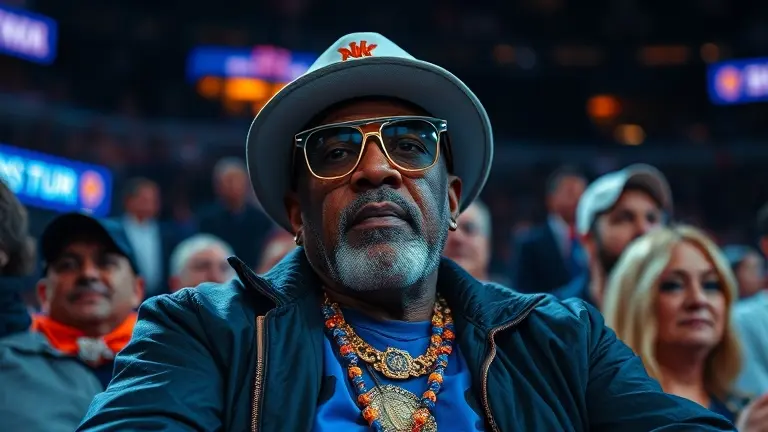
For 53 long years, the New York Knicks were defined by heartbreak, near-misses, and the unwavering presence of one man courtside at Madison Square Garden: Spike Lee. Now that the 2026 championship banner finally hangs in the rafters, a fierce debate has erupted that transcends sports: Does the legendary filmmaker, who has poured decades of loyalty and an estimated $10 million into his sideline seat, deserve an official championship ring? From Stephen A. Smith to Kevin Hart, the chorus of voices advocating for an ‘honorary’ status for the franchise’s ultimate superfan highlights a shifting cultural landscape where the line between spectator and team ambassador has completely dissolved.
This isn’t just about a piece of jewelry; it’s a reflection of how we construct professional identities and legacy. Much like the meticulous direction behind his cinematic masterpieces, Lee’s decades-long commitment to the Knicks was a project of passion, built with precision and intent. As the basketball world weighs whether this ‘architect’ of Knicks culture should be enshrined in the team’s crowning achievement, we must consider the broader lesson: legacies aren’t just won in the final seconds of a game—they are constructed, plan by plan, through years of dedicated, skillful execution.
The 53-Year Wait: Why Spike Lee Is At the Center of the Knicks Championship Narrative
The New York Knicks’ historic victory on June 14, 2026, officially ended a painful 53-year championship drought, igniting celebrations across the five boroughs and beyond. Yet, amid the confetti and parade planning, a unique spike lee knicks ring debate has emerged as a focal point of the franchise’s crowning achievement. While the roster and coaching staff are rightfully the primary recipients of championship hardware, the court of public opinion is pushing for an unprecedented gesture: awarding an official ring to the team’s most iconic courtside fixture.
The Case for the Honorary Ring
High-profile voices in sports media have fueled this discourse, arguing that Lee’s contribution transcends that of a typical spectator. Kevin Hart was among the first to publicly advocate for the move, suggesting that Lee’s decades of unwavering support warrant a tangible token of appreciation from the organization. Stephen A. Smith further amplified this sentiment, proposing that a “rare honor” is in order, specifically citing Lee’s immense financial commitment to the team.
Industry analysts estimate that Lee has invested upwards of $10 million in courtside seats alone over the last several decades, serving as a constant marketing asset and an unofficial team ambassador during both lean years and competitive cycles. The arguments in favor of gifting Lee a ring center on several key factors:
- Brand Loyalty: Lee has been the public face of the Knicks’ sideline culture since the 1980s, bridging the gap between Hollywood and Madison Square Garden.
- Financial Investment: His multi-million dollar commitment represents one of the largest individual contributions by a private citizen to an NBA franchise’s ticket revenue.
- Cultural Impact: As a filmmaker, Lee has intertwined his artistic identity with the Knicks, effectively marketing the franchise’s “tough”, gritty image globally.
While skeptics argue that rings should be reserved strictly for players, coaches, and essential staff, the conversation reflects a shifting perspective on fan culture. In the modern NBA, where the line between celebrity culture and professional sports often blurs, Lee’s situation serves as a compelling case study on how franchises might honor the individuals who help define their identity. Whether or not the Knicks choose to formalize this tribute, the debate highlights just how vital the “Superfan” archetype has become to the storied history of New York basketball.
More Than a Fan: The Intersection of Sports and Cinema
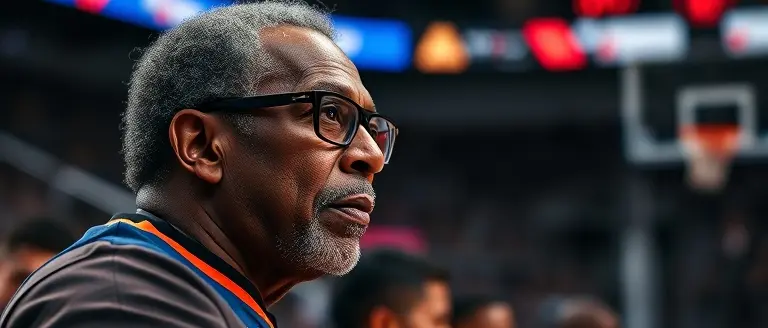
The current spike lee knicks ring debate serves as a fascinating lens through which to view the evolution of the modern sports “superfan.” Spike Lee is not merely a courtside fixture; he is a cultural architect who has inextricably linked the identity of the New York Knicks with the grit and artistry of New York City itself. Through his lens as a filmmaker and his constant presence at Madison Square Garden, Lee has effectively marketed the Knicks as a global brand, transforming the franchise into a cinematic entity that resonates far beyond the hardwood. For over three decades, his vocal support—often punctuated by his high-profile exchanges with players and officials—has provided the team with an aura of prestige that money alone cannot purchase.
The Architect of Knicks Culture
Lee’s contributions to the Knicks’ brand identity extend deep into the fabric of urban culture. By integrating his love for the team into his films and public appearances, he has served as an unofficial, high-impact ambassador. His influence can be broken down into several key areas:
- Global Brand Elevation: By positioning the Knicks as a “must-watch” cultural event, Lee helped bridge the gap between high-fashion, hip-hop, and professional basketball.
- Narrative Continuity: Through his public loyalty, even during the franchise’s leanest years, Lee provided a consistent, human-centric narrative that kept the Knicks relevant in the pop-culture conversation.
- Economic Impact: As highlighted by figures like Stephen A. Smith, Lee’s commitment—evidenced by his estimated $10 million expenditure on courtside seats—has solidified his role as a massive financial pillar for the organization.
Ultimately, the argument for honoring Lee with a championship ring moves past simple fandom; it acknowledges his role as a stakeholder in the team’s cultural legacy. Whether or not he receives an official piece of jewelry, his status as a permanent fixture in the team’s history remains undisputed. His career, marked by the synthesis of basketball and cinema, has turned him into the most significant “non-player” influence in the modern era of the NBA.
The Evolution of Celebrity Fandom and Team Monetization
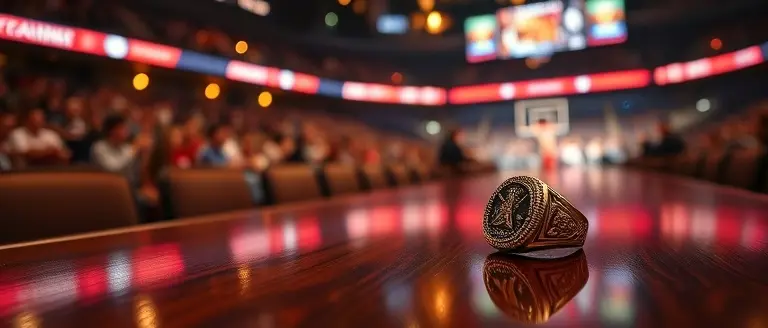
The spike lee knicks ring debate serves as a fascinating case study in how modern professional sports franchises leverage celebrity visibility to enhance their global brand equity. For decades, the presence of A-list stars in courtside seats has transitioned from mere social occurrence to a sophisticated pillar of team marketing. By consistently positioning high-profile figures like Lee at the epicenter of the Knicks’ home court experience, the organization has effectively curated a “cool factor” that transcends traditional athletic achievement. This strategy turns fandom into a commodity, where the celebrity acts as an unofficial brand ambassador, creating a bridge between pop culture, cinema, and professional basketball.
Formalizing the Superfan Status
The push by cultural influencers to award Lee a championship ring highlights the shifting boundaries between spectators and team contributors. As teams increasingly monetize these relationships through social media integration and collaborative merchandise, the question of whether to formalize the status of a “superfan” becomes a legitimate management dilemma. Distinguishing between a high-spending “courtside booster” and a genuine “team legend” requires a clear framework that many organizations currently lack.
Key considerations for teams looking to formalize these relationships include:
- Cultural Legacy: Assessing whether the fan’s long-term public advocacy has significantly bolstered the franchise’s identity or reach.
- Economic Contribution: Analyzing the “Spike Lee effect,” where consistent high-profile attendance drives secondary ticket demand and media coverage.
- Brand Integrity: Maintaining the sanctity of player-level awards while finding appropriate ways to honor non-personnel contributors through official titles or honorary distinctions.
Ultimately, the debate underscores a transition toward a more symbiotic relationship between organizations and their most visible supporters. As sports brands continue to compete for attention in a fragmented digital landscape, the institutionalization of fan loyalty may be the next step in the professionalization of the spectator experience.
Should the Ring Be Earned or Bestowed? Defining Team Loyalty
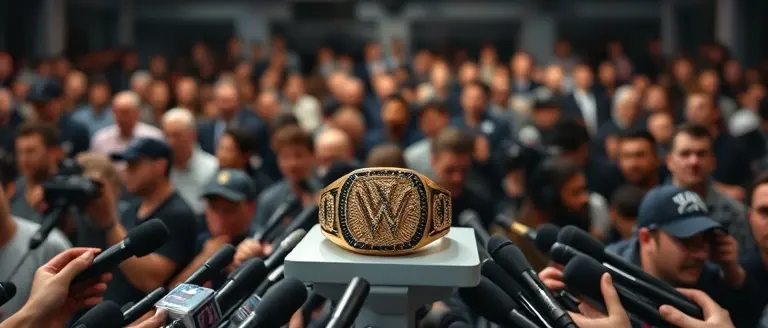
The spike lee knicks ring debate has ignited a broader philosophical discussion regarding the definition of professional sports achievement. Traditionally, the championship ring serves as the ultimate physical manifestation of an athlete’s labor, sacrifice, and victory on the hardwood. By extending this honor to a spectator—even one as iconic as Lee—the franchise risks diluting the “sanctity” of the award. Critics argue that once the boundary between the participant and the observer is blurred, the ring shifts from a symbol of athletic excellence to a piece of branded merchandise.
However, proponents like Kevin Hart and Stephen A. Smith argue that the modern franchise is a business entity where loyalty, financial commitment, and marketing influence hold tangible value. Over the last five decades, Lee has invested millions in courtside seats and served as an unofficial, high-profile global ambassador for the New York Knicks.
Defining the Boundaries of Fandom
To navigate this controversy, sports management professionals often look at the precedent set by front-office and staff ring distribution. Historically, organizations have expanded the circle of recipients to include scouts, trainers, and administrative personnel who contribute to the “win” behind the scenes. The question remains: does a fan fit into this administrative ecosystem?
- The Case for Inclusion: Supporters believe that “superfans” like Spike Lee have sustained the team’s relevance during drought years, acting as a cultural anchor that elevates the brand’s visibility.
- The Case for Exclusion: Traditionalists maintain that the ring is exclusively reserved for those on the payroll or the active roster, ensuring the award remains an earned meritocracy rather than a gift for celebrity patronage.
Ultimately, whether the Knicks choose to bestow a unique, non-player honor upon Lee will likely hinge on the team’s desire to reward “cultural contribution” without cheapening the specific, athletic blood and sweat that secured the 2026 championship. The outcome will set a lasting precedent for how NBA franchises interact with their most influential supporters moving forward.
Build Your Own Masterpiece With Precision
The debate over whether Spike Lee deserves a ring ultimately centers on the value of intentional, long-term craftsmanship. Whether he receives that official hardware or not, his legacy as the defining face of Knicks fandom is cemented by the consistent, high-level standard he brought to his courtside ‘craft’ for over half a century. Much like professional sports, the difference between a fleeting moment and a lasting masterpiece lies in the quality of the blueprint you follow.
Just as Spike Lee has carefully crafted his iconic courtside legacy, any great project—whether building a legendary brand or a custom furniture piece—requires the right set of blueprints to move from inspiration to a tangible reality. You don’t have to rely on trial-and-error to achieve greatness in your own workshop. Ted’s Woodworking provides the ultimate foundation for your projects, eliminating frustration by offering over 16,000 professional, workshop-tested plans designed to help you construct your own lasting legacy.
Stop guessing and start building with the precision that turns passion into perfection. Access the world’s most comprehensive woodworking blueprint library today and ensure your next project is built on the same firm foundation as the most enduring legends in culture.
 Stop guessing and start building your legacy with the same precision Spike Lee brings to his craft; access the world’s most comprehensive woodworking blueprint library here.Transform My Projects Today!